
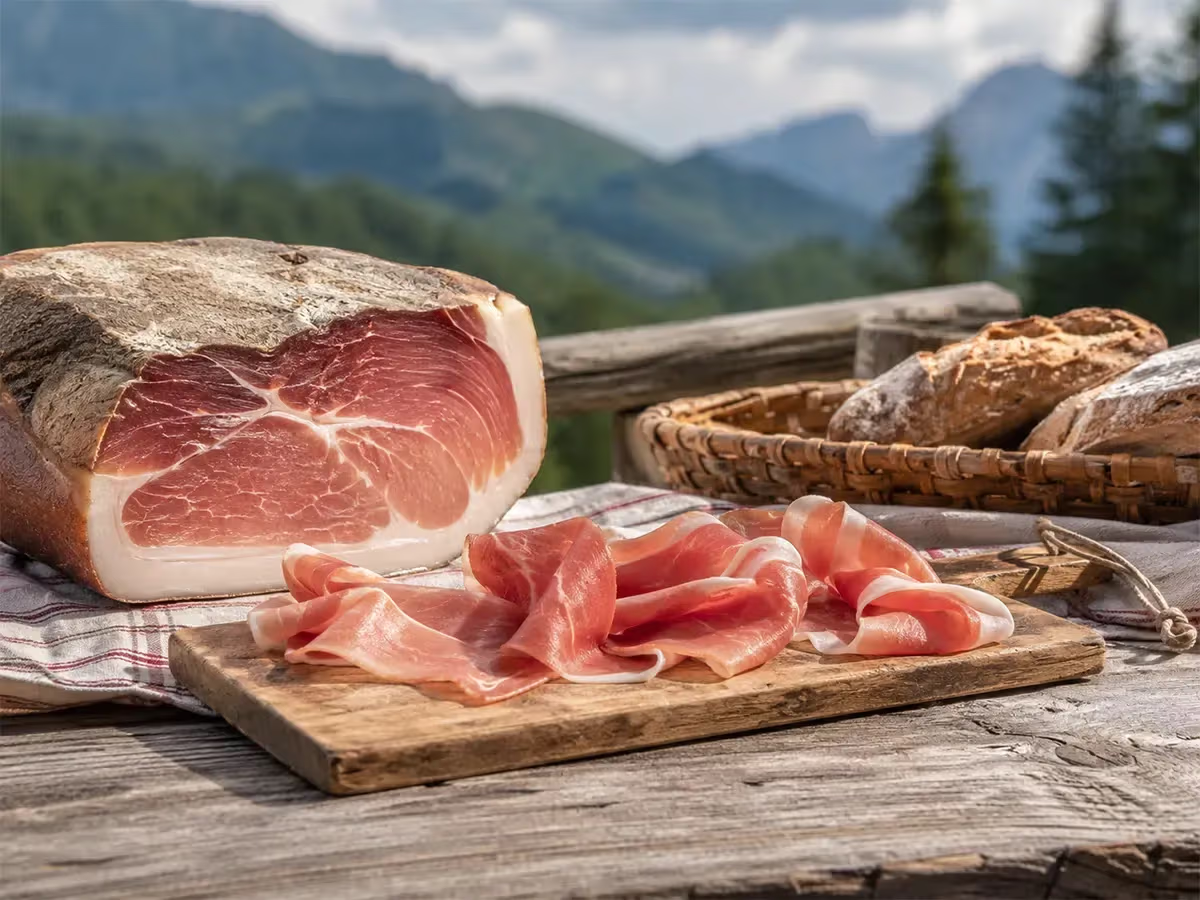
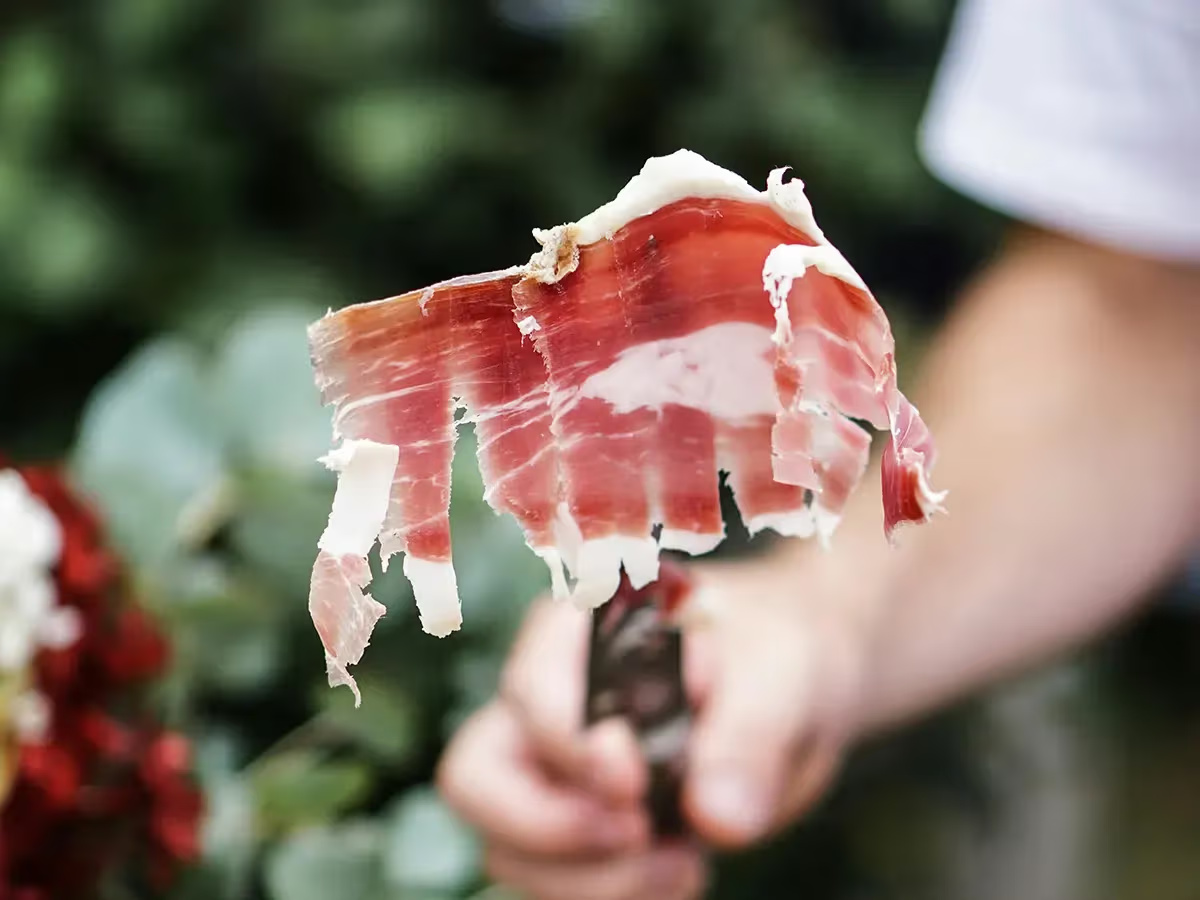
Prosciutto di Sauris IGP is a raw smoked cured meat produced in the homonymous municipality of Sauris, a small mountain village situated at over one thousand meters above sea level in Carnia, in the heart of Friuli-Venezia Giulia. Its identity is inseparable from the Alpine landscape that surrounds it: a cool and humid microclimate, the clean air of the Friulian Dolomites and the tradition of smoking the meat with beech wood and juniper berries give the product a personality entirely its own in the panorama of Italian prosciuttos.
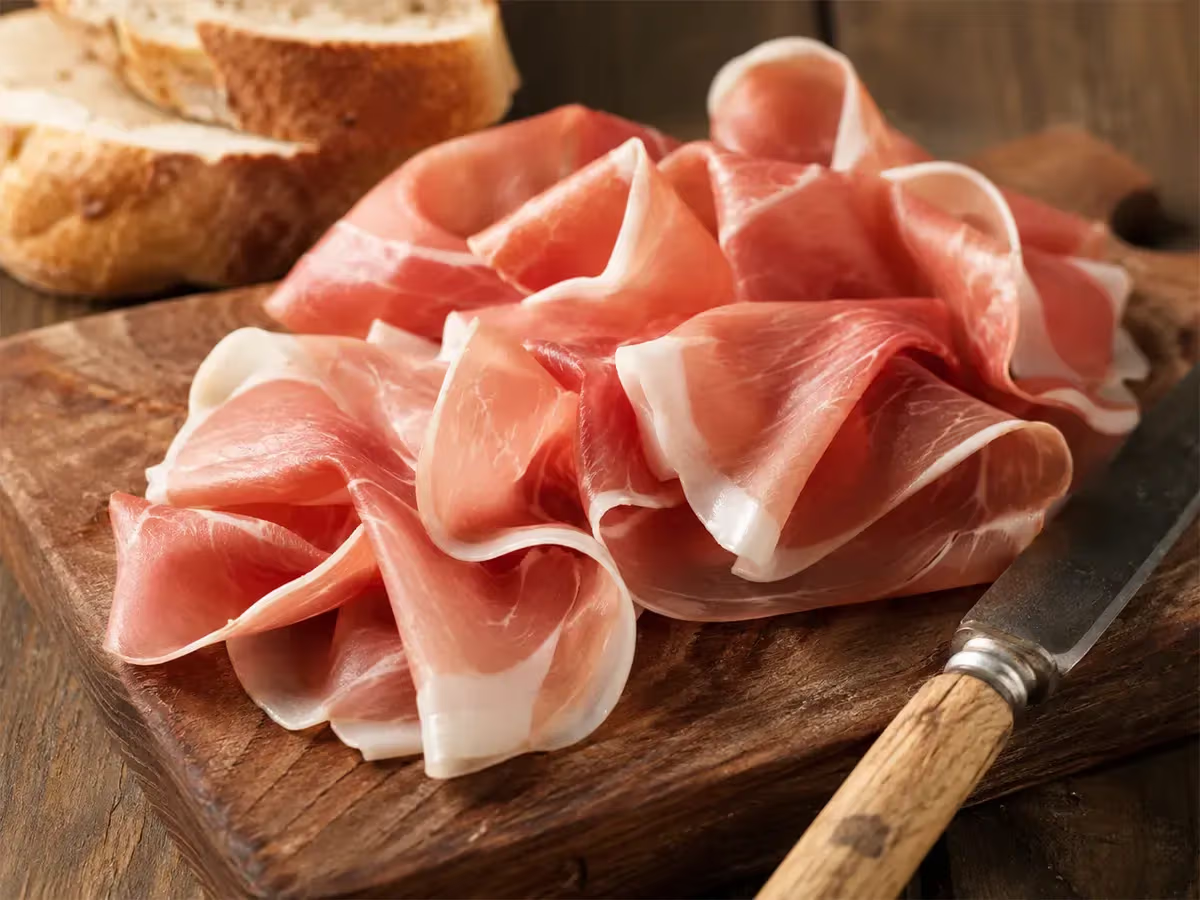
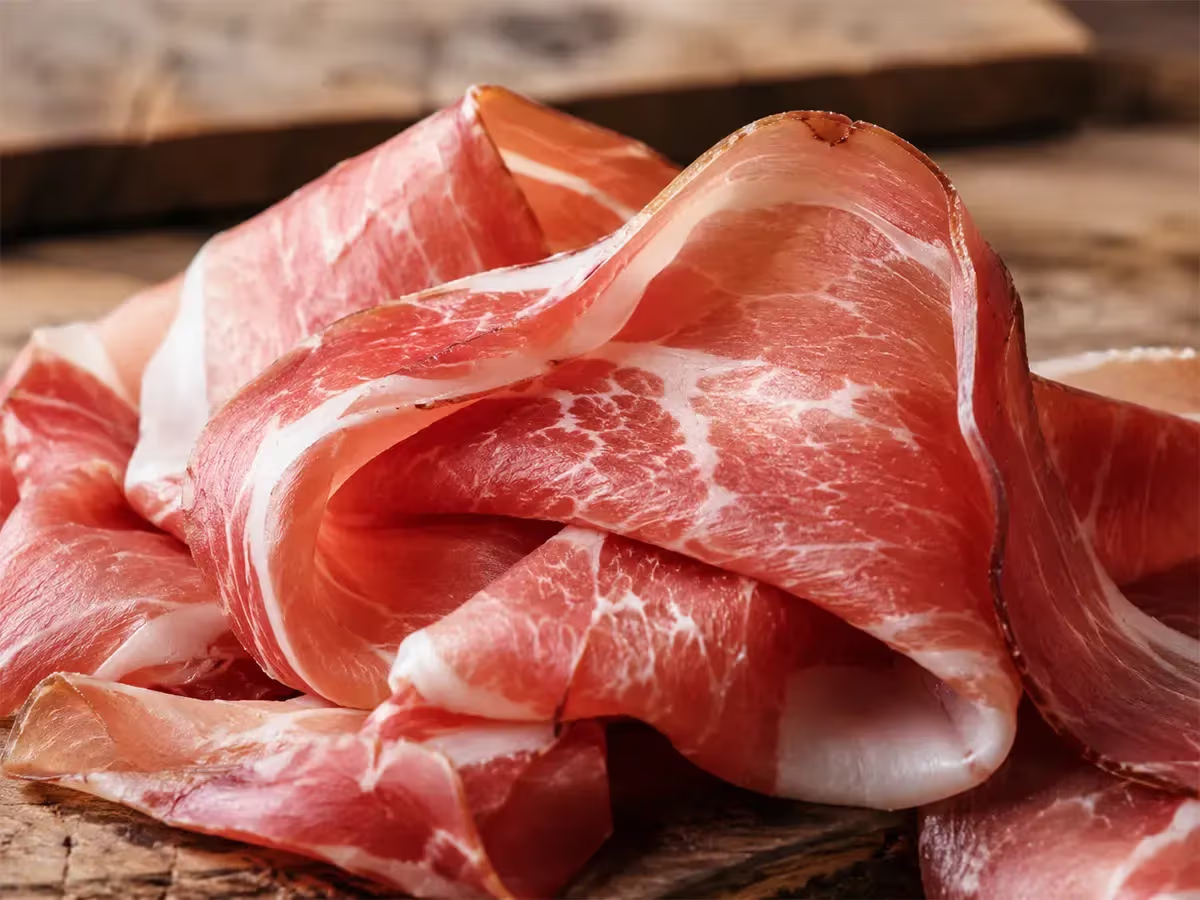
Compared to the great national raw prosciuttos, that of Sauris distinguishes itself for the sweet smoked note that pervades the aroma and flavor, without ever covering the delicacy of the aged meat. The slice presents itself in ruby red color with rosy white fat borders, the consistency is soft and enveloping, the taste balanced between sweet, savory and the characteristic aromatic smoked nuance. In the kitchen it finds use as a sliced appetizer, ingredient of mountain platters or component of hot preparations in which the smoke adds depth.
The origins of ham production in Sauris are rooted in a history of geographical isolation and practical necessity. The village, reachable for centuries only through steep mountain passes, was colonized in the Middle Ages by German-speaking populations from Carinthia and Tyrol, and this Central European heritage is still reflected today in the local dialect and eating habits. The smoking of meat was an essential conservation technique in a mountainous context where winters were long and supplies scarce. The beech from the surrounding forests and wild juniper became the natural materials of a process that over time was refined until it became an art form.
During the twentieth century production gradually became more structured, keeping traditional methods alive while adapting to modern hygiene and sanitation standards. The IGP recognition officially established the inseparable link between the product and its territory of origin, defining a specification that regulates the provenance of the meat, the salting phases with salt, pepper, garlic and aromatic spices, smoking with beech wood and a minimum aging of thirteen months. This recognition has contributed to valorizing a fragile local economy and to preserving a productive tradition that risked being lost due to the depopulation of the Alpine valleys.
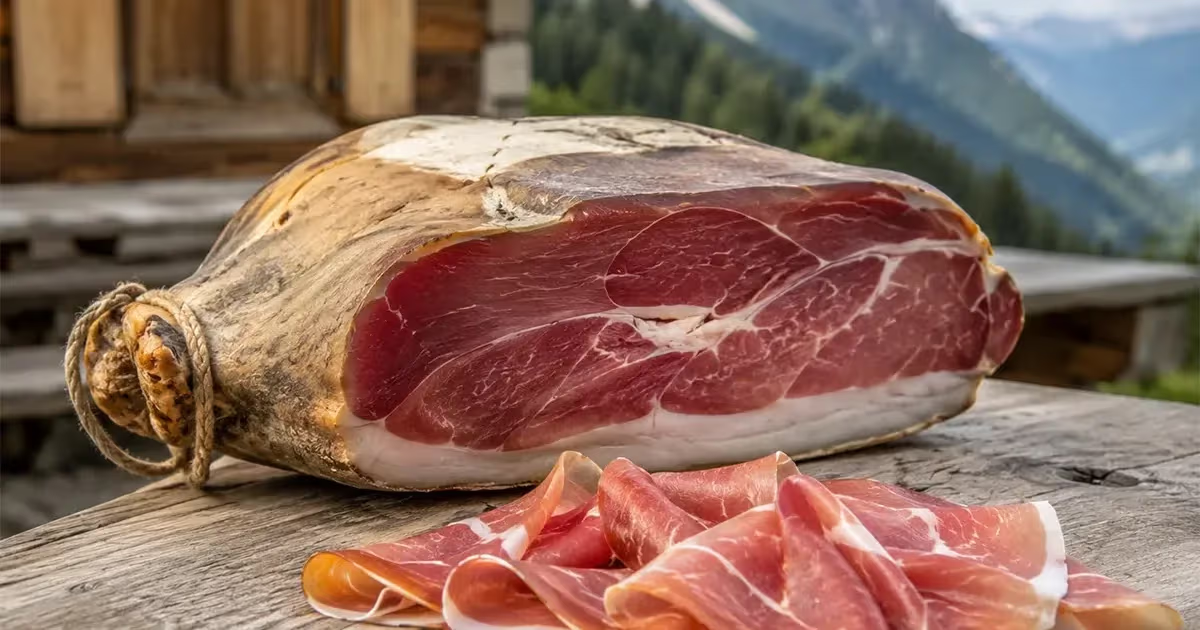
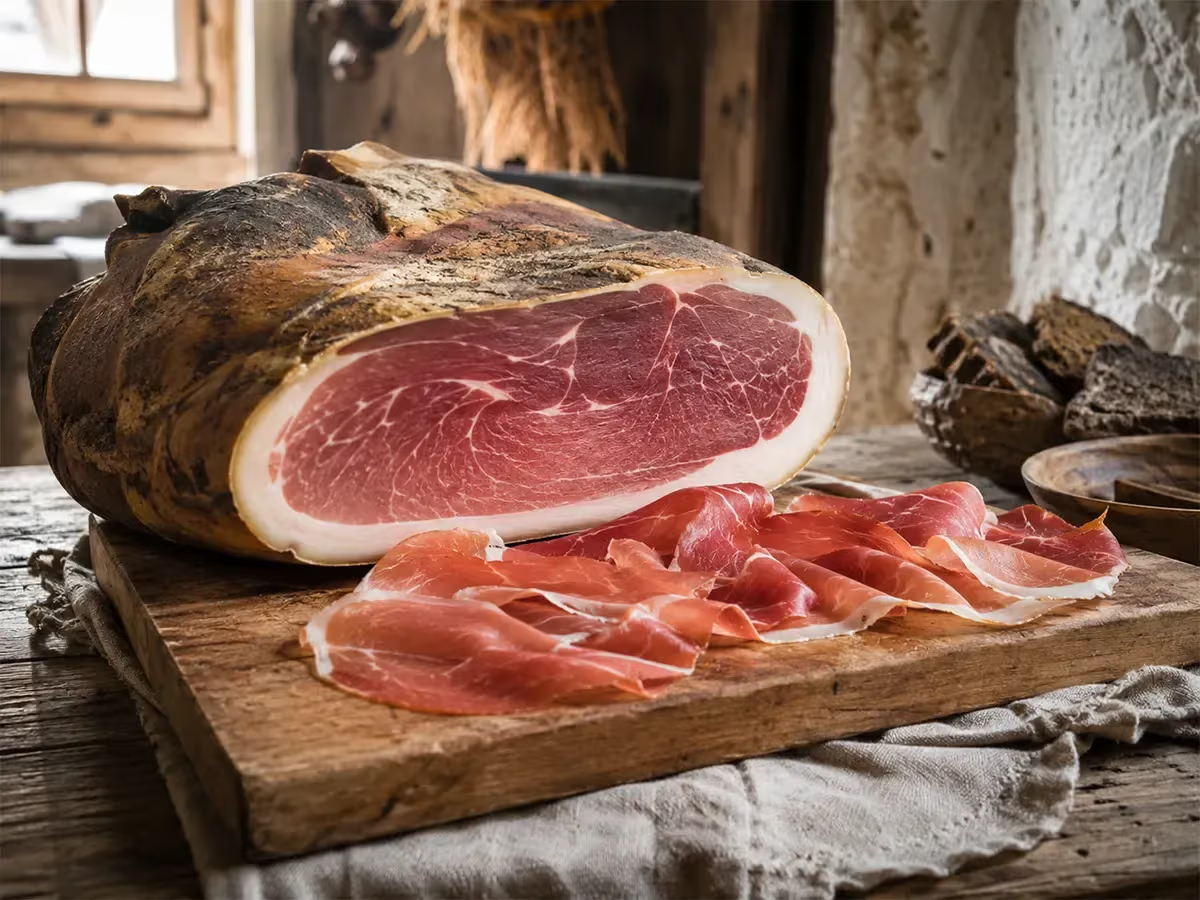
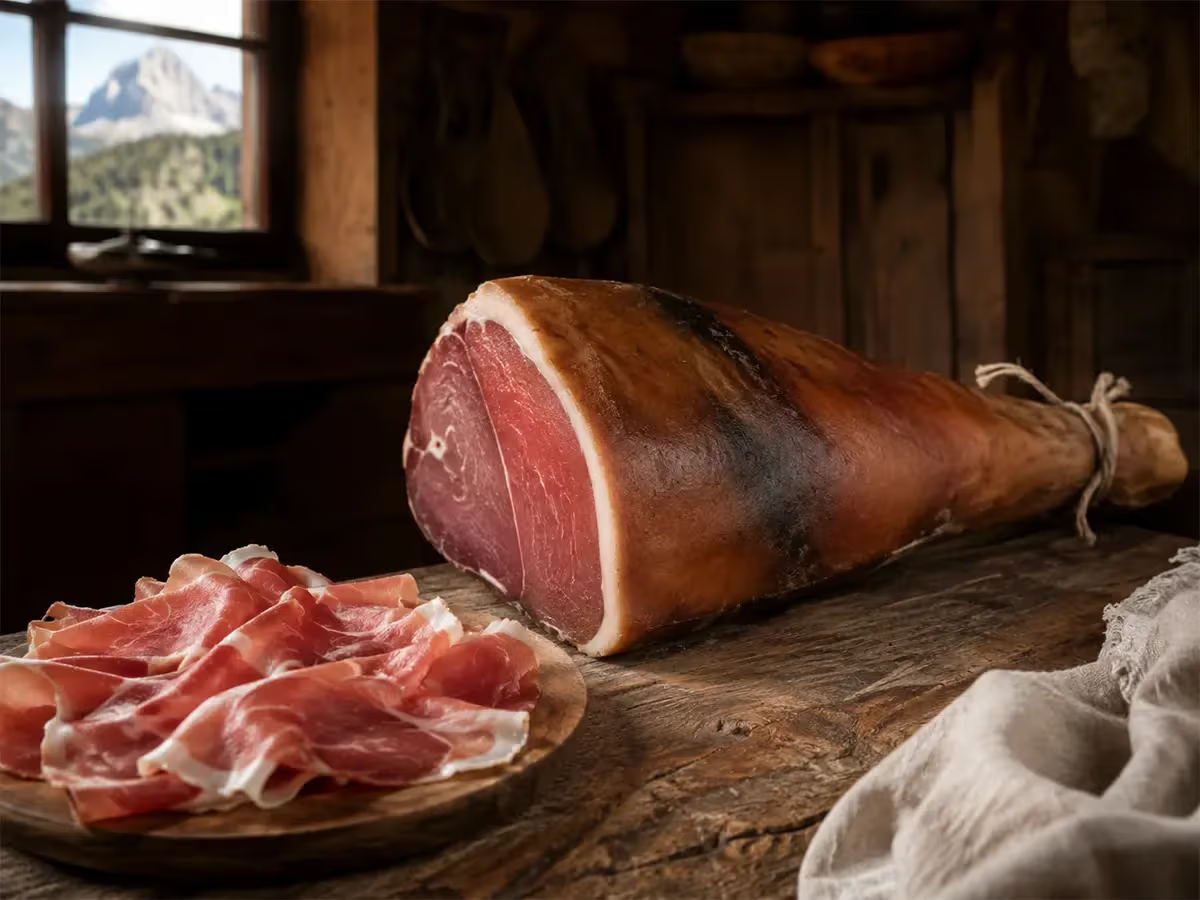
Prosciutto di Sauris IGP presents itself with the characteristic golden-brown external surface, typical of smoking, which contrasts with the bright red of the meat visible when sliced. The fat covering is white or slightly pink, distributed uniformly. The shape is the classic ham shape with bone or boneless, according to the versions provided by the regulations.
To the nose, the first perception is that of a gentle and aromatic smoked note, followed by the spiced aromas of salting. On the palate, the taste is sweet and delicate, with contained saltiness and the unmistakable signature of beech wood smoke. The certified product displays the EU IGP logo on the label and the consortium mark with explicit reference to Sauris. To recognize an authentic product, it is useful to verify the presence of these marks and ensure that the aging respects the minimums provided by the regulations.
Prosciutto di Sauris IGP is a protein-rich food of animal origin with a good nutritional profile. It provides proteins with high biological value, essential for muscle structure, and significant contributions of B-group vitamins, particularly B1 and B12, along with minerals such as zinc, iron and phosphorus. The fat content varies depending on the part of the ham considered, with an appreciable share of unsaturated fats. The caloric intake is indicatively around 230 to 280 kcal per 100 grams, values typical of aged raw hams. The aging process promotes partial hydrolysis of proteins, improving the digestibility of the product.
Whole bone-in prosciutto should be stored in a cool, dry, well-ventilated place, preferably hung, away from heat sources and direct light. Once slicing has begun, the exposed surface should be protected with a layer of fat or food-grade plastic wrap. Sliced or boneless vacuum-packed prosciutto should be stored in the refrigerator between 0 and 4 degrees Celsius and consumed within the timeframe indicated on the label. Already-sliced pieces should be stored in the refrigerator for a maximum of two or three days, covered.
Prosciutto di Sauris IGP is consumed mainly raw, sliced thin to enhance the softness and aromatic complexity of the cured meat. It is preferable to bring it to room temperature for about twenty minutes before serving, so that the aromas open fully. It lends itself to composing mountain boards paired with rye bread, local cheeses and mustards. It also finds its place in hot preparations, such as fillings for filled pastas or accompaniments to gnocchi and polenta, where the smoky note adds character to the dish without overpowering the other ingredients.
On the wine front, Prosciutto di Sauris pairs elegantly with white wines from Friuli-Venezia Giulia, particularly Ribolla Gialla, Tocai Friulano and Pinot Grigio from the Colli Orientali, which with their freshness balance the smoked note of the cured meat. A Ramato friulano, with its light tannic structure, can also create an interesting pairing. For those who prefer beer, smoked-style beers or German-inspired lagers echo the Central European roots of the product.
Among the most apt gastronomic pairings are local rye bread, semi-hard paste cheeses from Carnia such as Asiago or local dairies, slightly tangy sauerkraut and polenta made from stone-ground corn flour. Chestnut honey and wild fruit mostarda offer sweet contrasts that enhance the complexity of the prosciutto.
Among the most deeply rooted preparations in the culinary tradition of Carnia, the prosciutto di Sauris appears in different forms.
Cjarsons with prosciutto di Sauris are a variant of the typical Friulian filled pasta: the sweet and spiced filling of cjarsons, which traditionally blends potatoes, aromatic herbs and sometimes raisins, is enhanced by the addition of flakes of smoked prosciutto that give depth to the flavor. Served with melted butter and smoked ricotta, they constitute a first course of great character.
Polenta concia with prosciutto di Sauris is a substantial winter dish: the creamy polenta worked with butter and local cheese is served with slices of prosciutto arranged on top, which soften slightly from the heat of the dish. The contrast between the sweetness of the polenta and the smoked note of the prosciutto is one of the most successful pairings in Carnic cuisine.
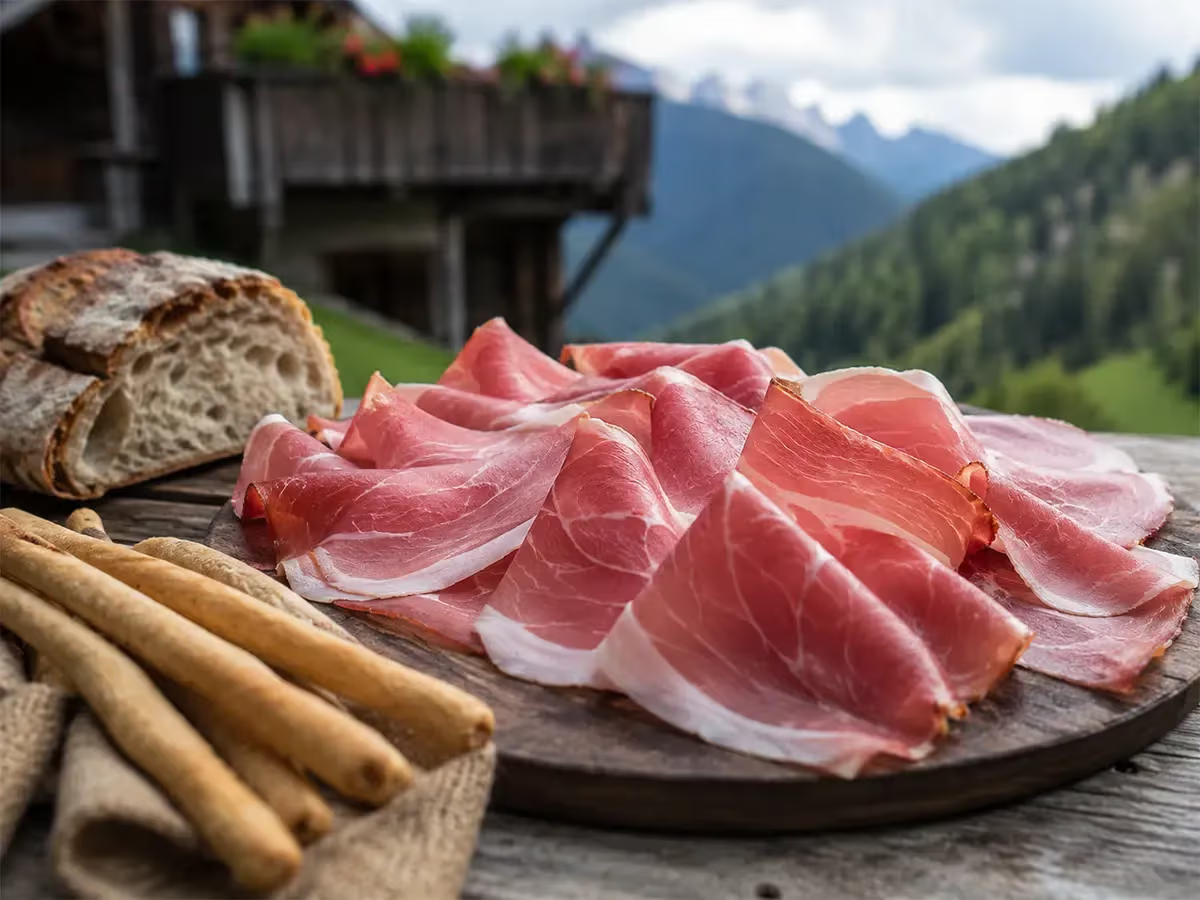
The tagliere montanaro, while not being a codified recipe, is the traditional presentation in the mountain pastures and houses of Sauris: hand-sliced prosciutto, rye bread, mountain pasture cheese and a glass of local white wine.
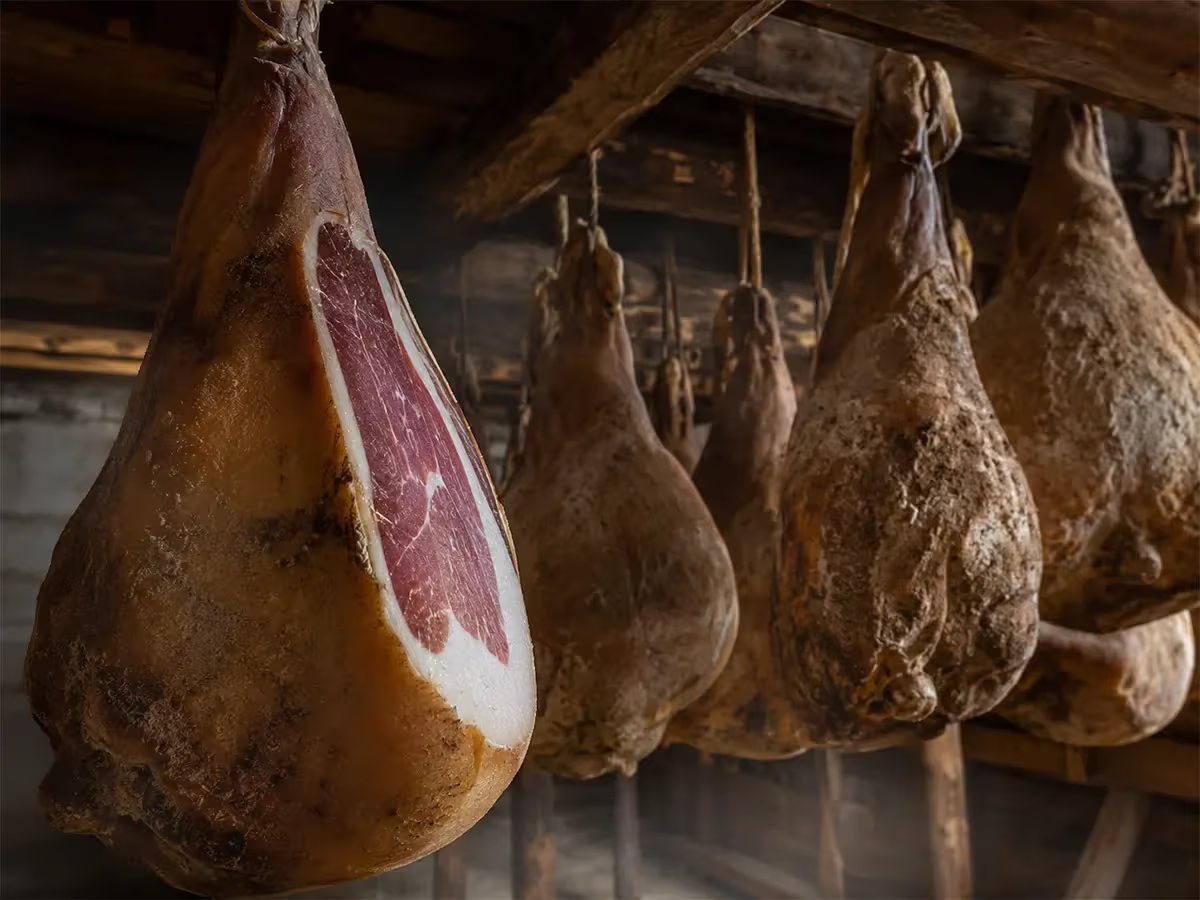
In Sauris, ham processing has always been a family and collective ritual, linked to the mountain's seasonal cycle. The slaughtering of pigs in winter, followed by salting and domestic smoking, marked for generations the calendar of the country's families. The houses of Sauris were recognizable even by the smell of smoke that came out from the small windows of the attics used for aging.
This bond with domestic memory survives even in the current community identity, where ham is a symbol of hospitality and belonging. Offering it to guests during Christmas and Easter festivities, or on the occasion of weddings, is still today a gesture full of meaning. The German-speaking linguistic minority of Sauris recognizes in this product one of the most living elements of their own material culture.
Sauris traditionally hosts the Prosciutto Festival, a local event held in summer that represents the most significant moment for promoting the product in its territory of origin. The event brings together visitors from the surrounding valleys and from outside the region, offering tastings, visits to ham producers and moments of insight into the local production tradition.
More generally, Sauris prosciutto is present at the main agri-food fairs of Friuli-Venezia Giulia and at events dedicated to Italian IGP and DOP products. Some regional food and wine showcases include it among the protagonists of tasting tours dedicated to the excellences of Carnia.