
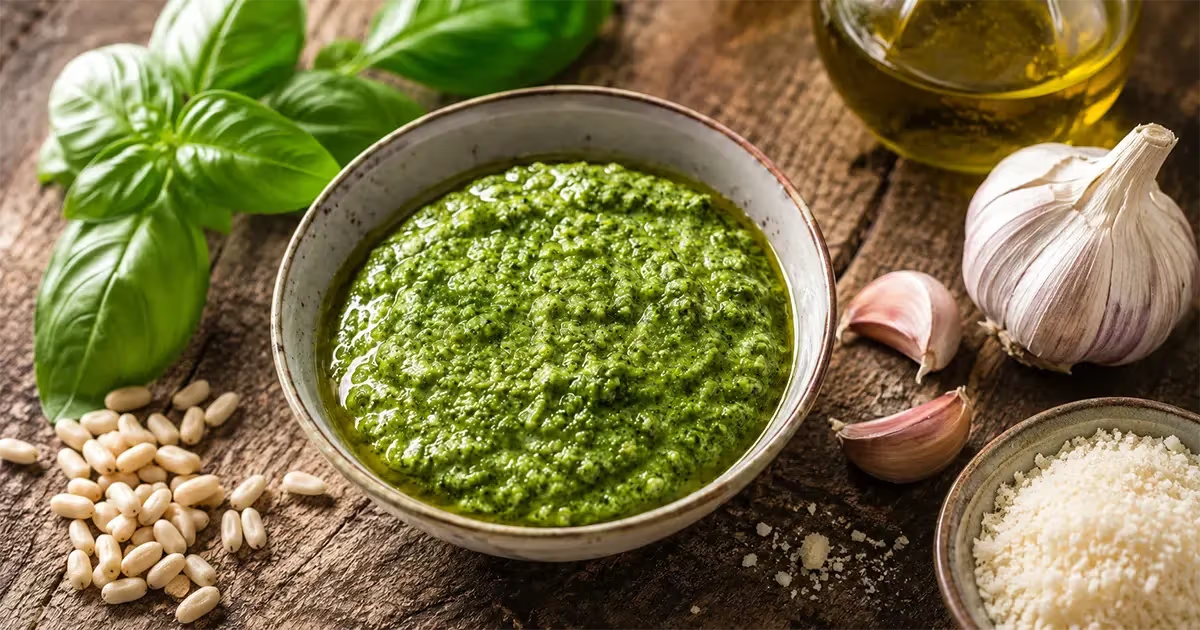
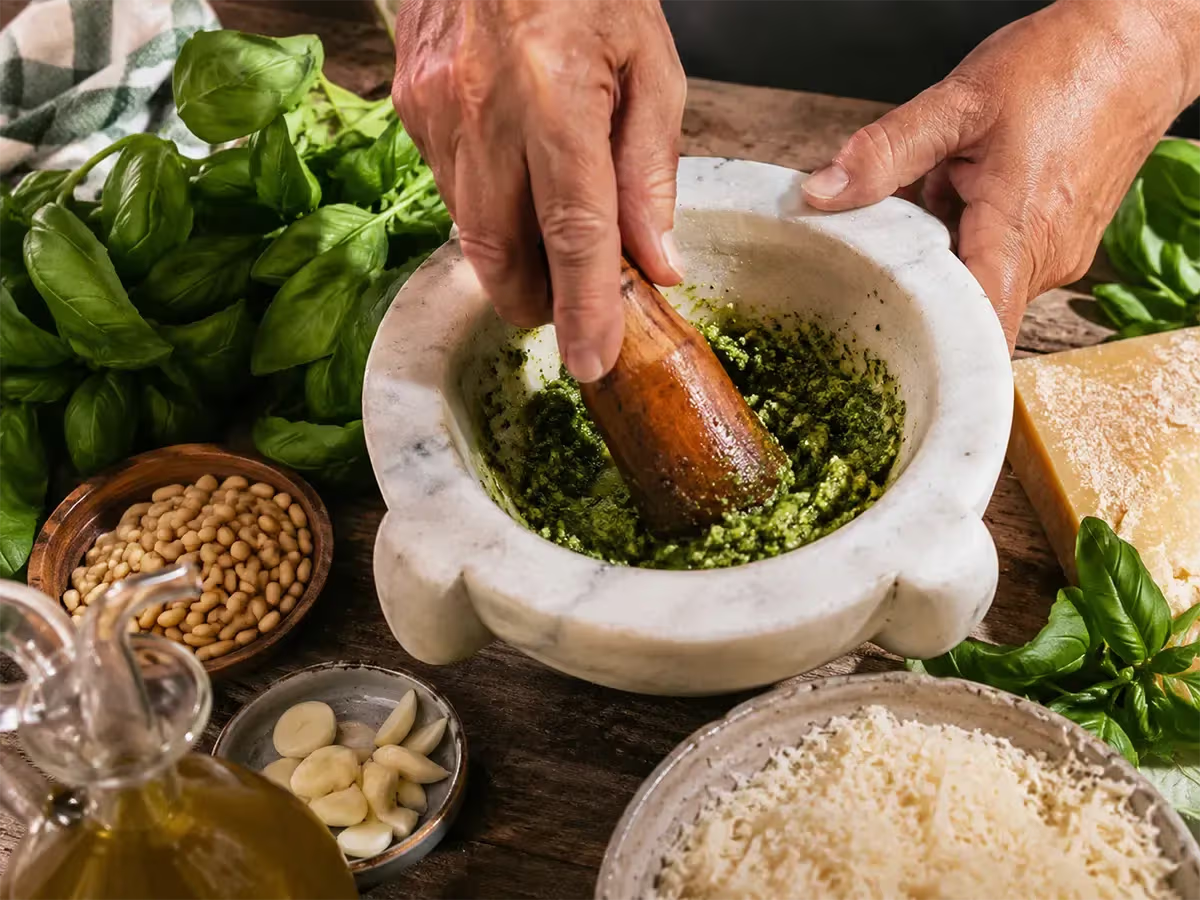
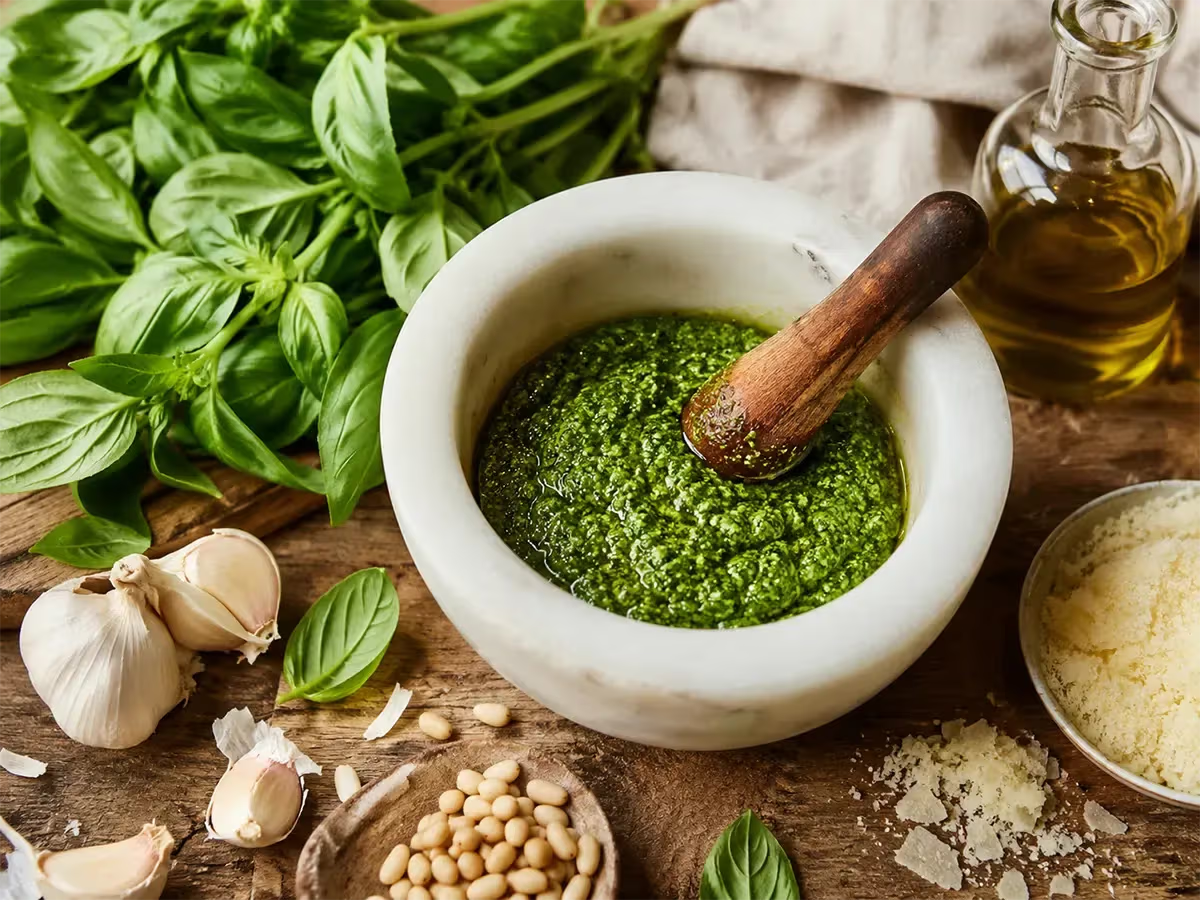
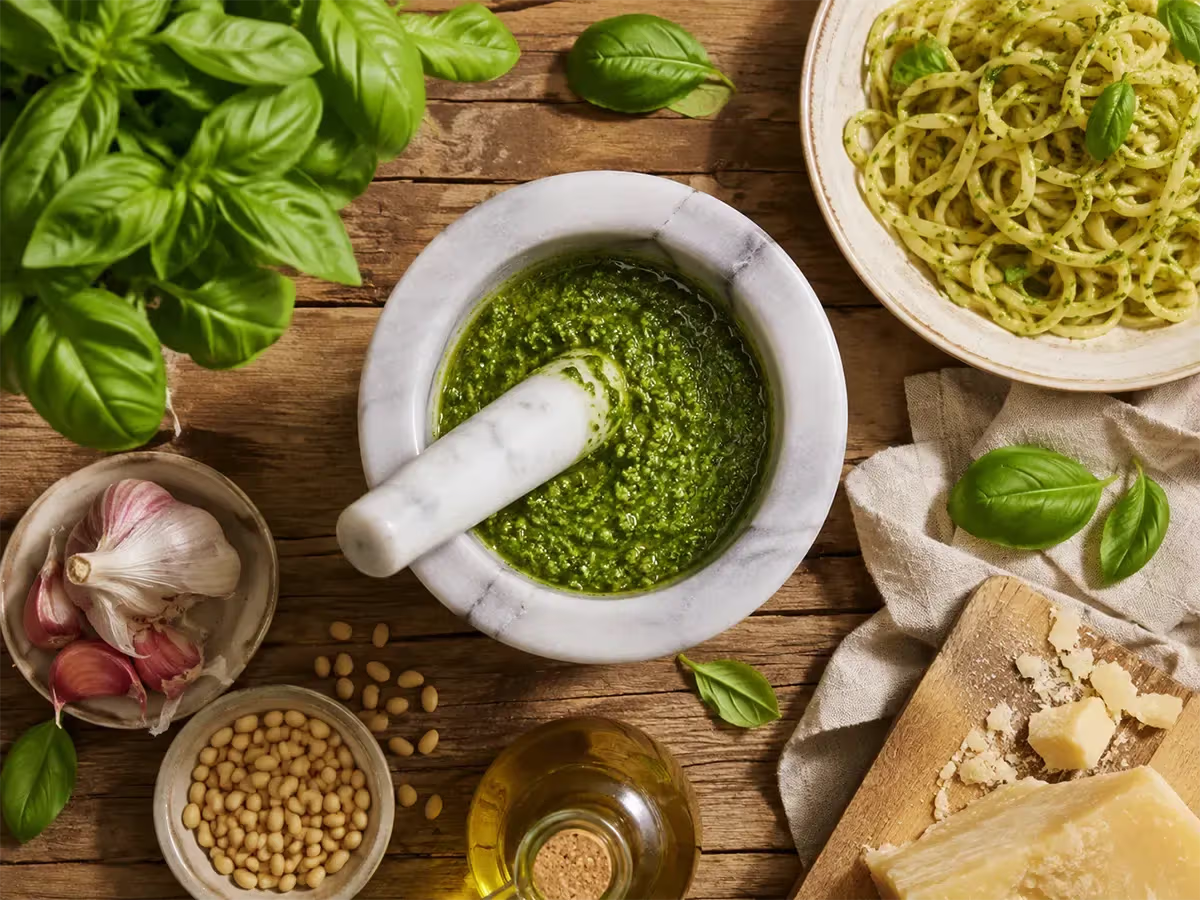
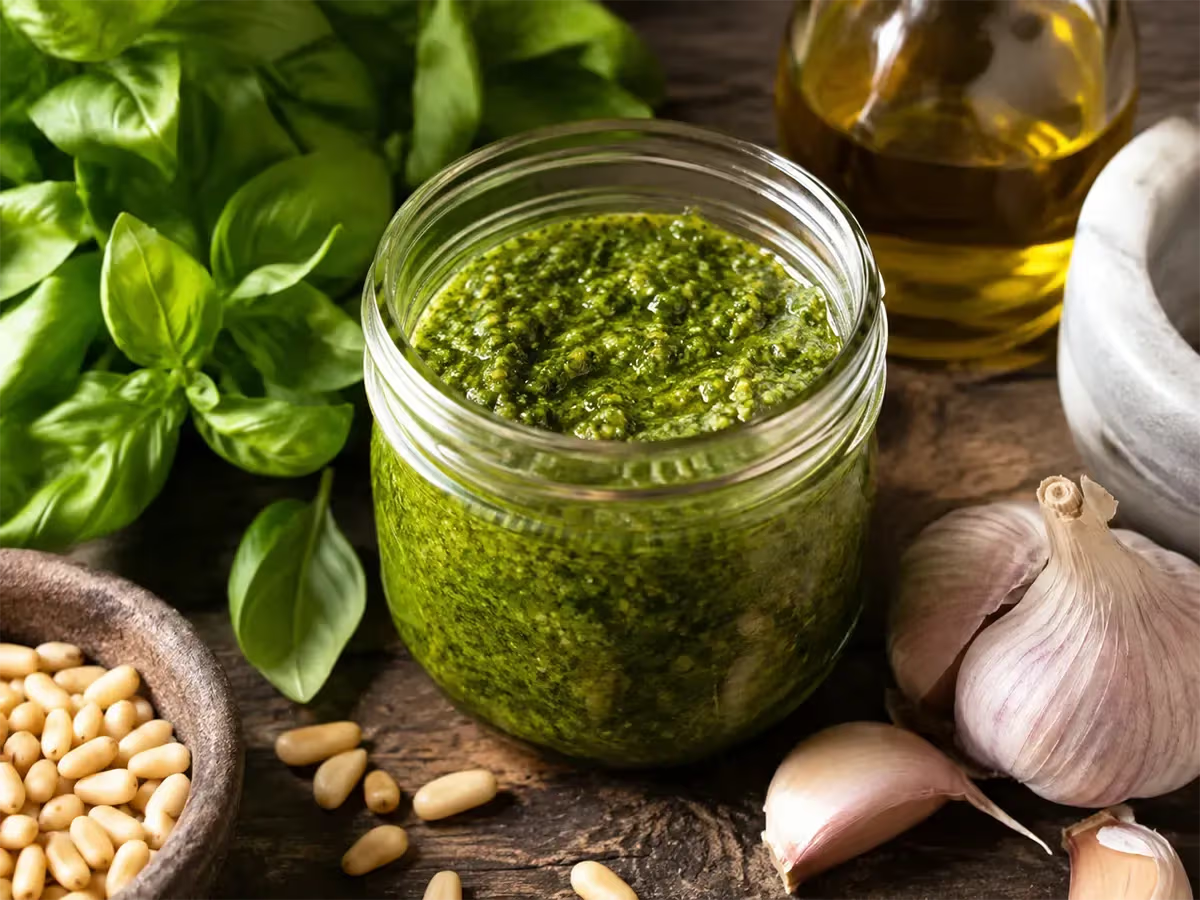
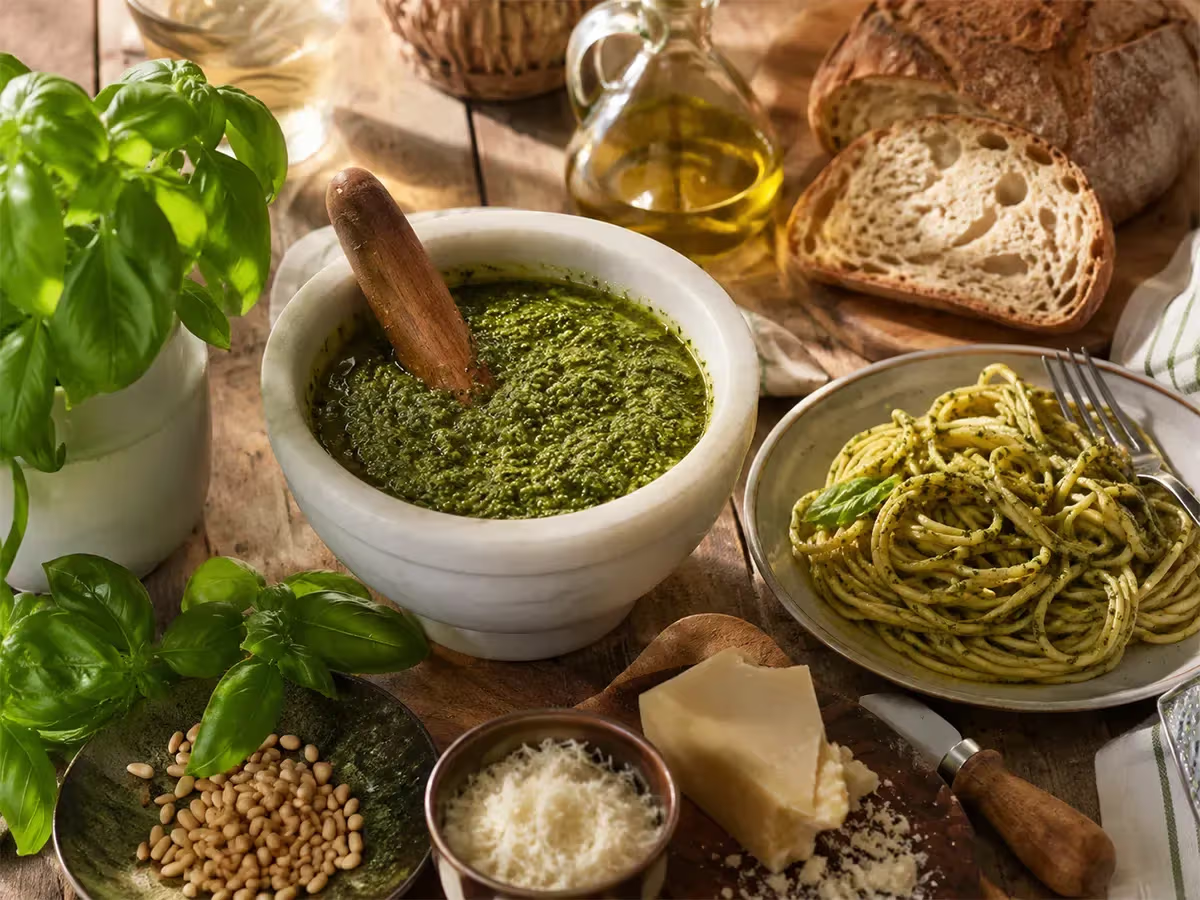
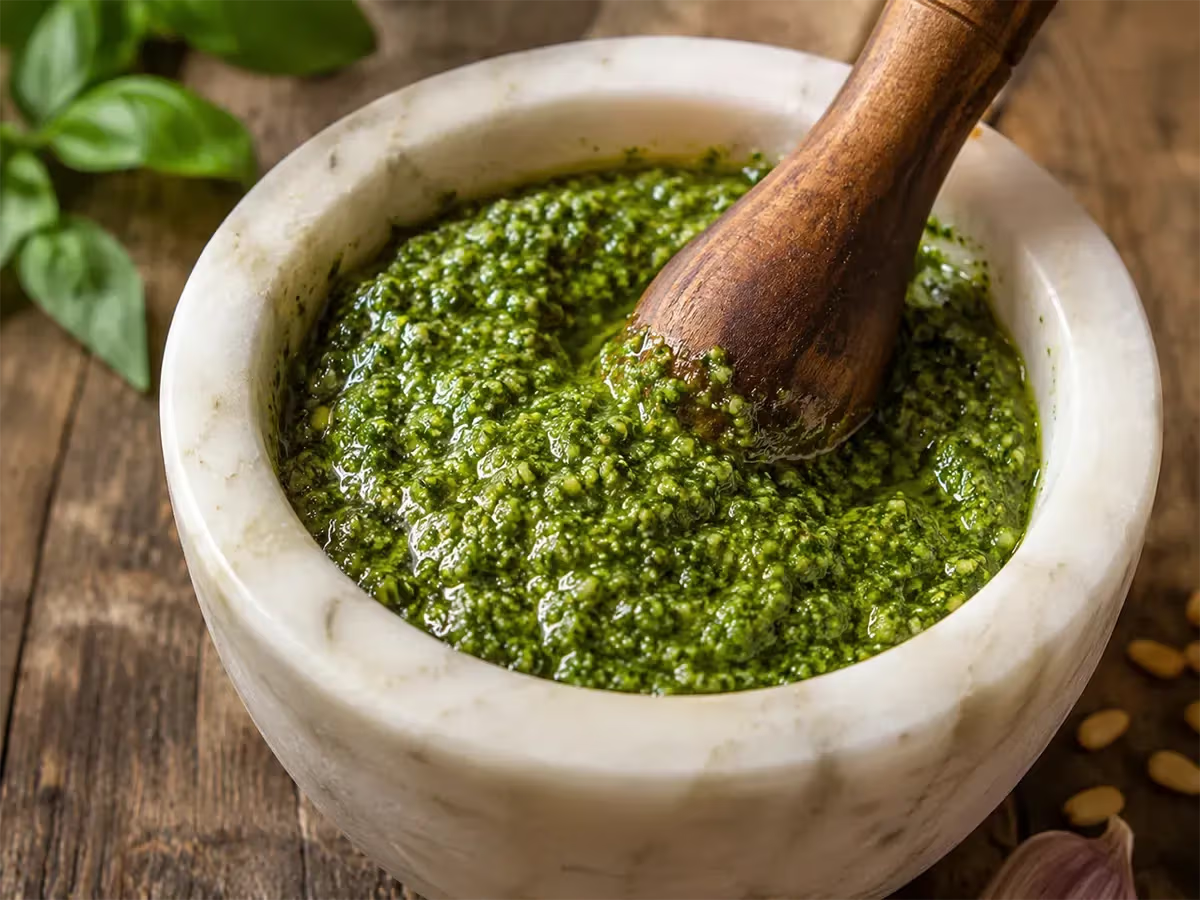
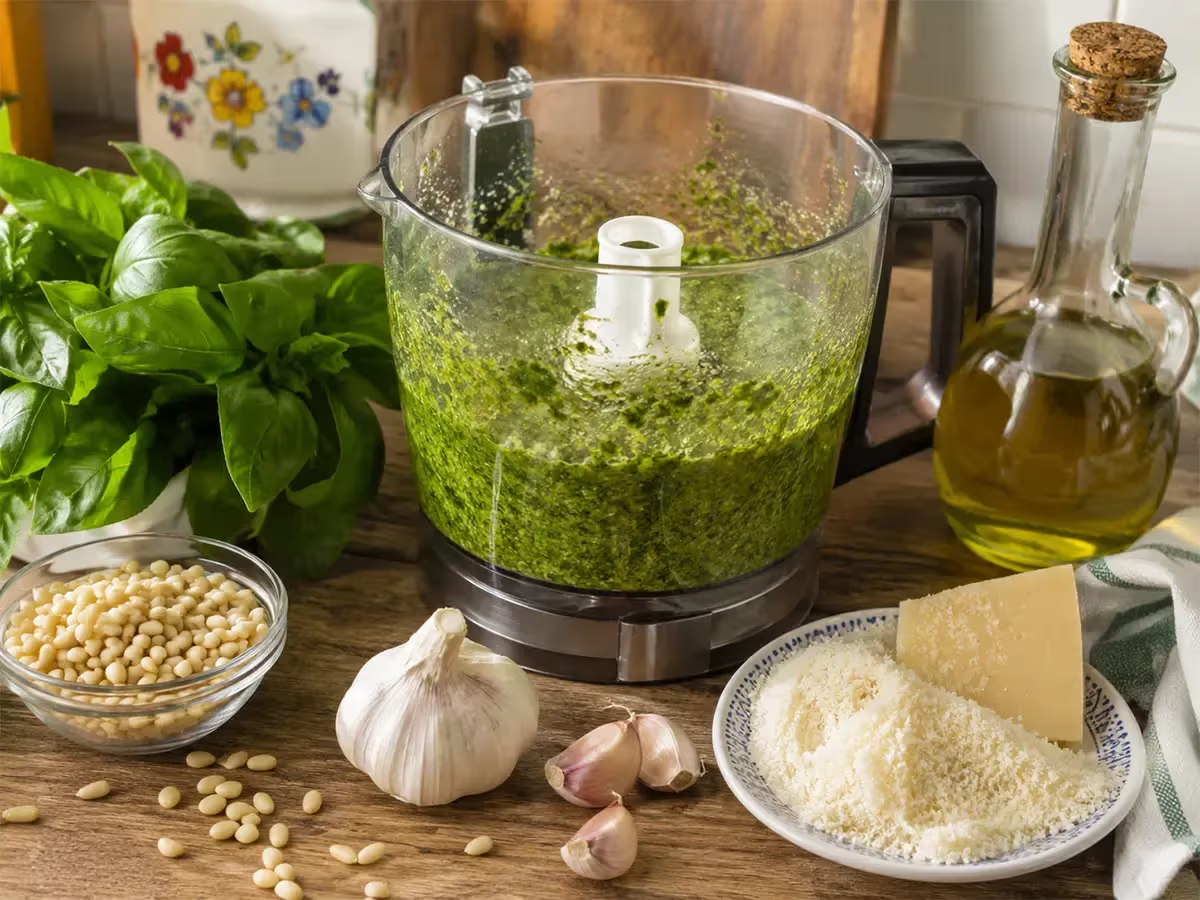
Genoese pesto is the most celebrated raw sauce in Liguria, prepared by pounding together basil leaves, garlic, pine nuts, grated cheese and extra virgin olive oil. The name itself refers to the tool that defines its character: the marble mortar, in which the ingredients are worked slowly with a wooden pestle until a dense, fragrant cream is obtained with a brilliant green colour that varies from fresh herb to yellow-green according to the maturation of the basil. The basil used in the authentic recipe is Genovese DOP basil, cultivated in the greenhouses of the Riviera di Ponente and the Genovesato, with small, tender leaves and a delicate aroma that does not recall mint.
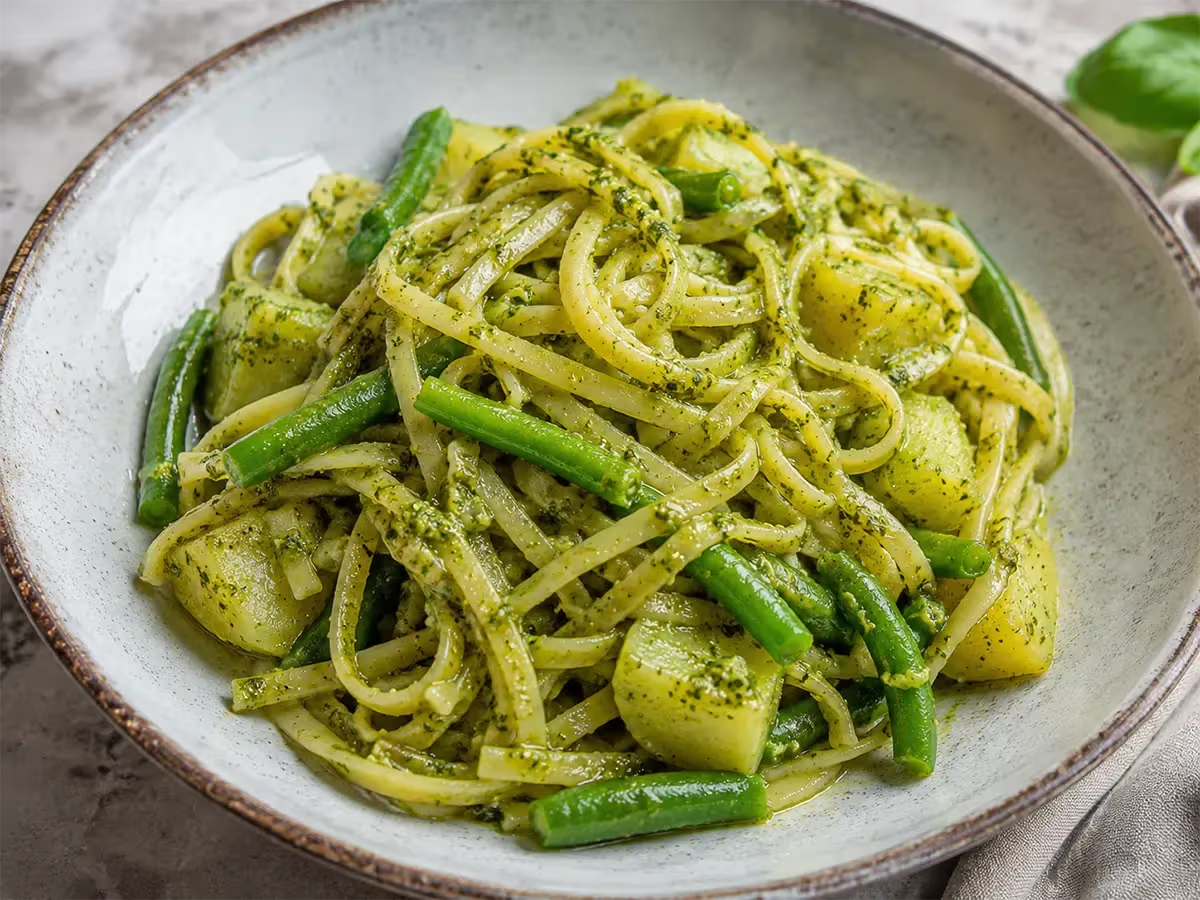
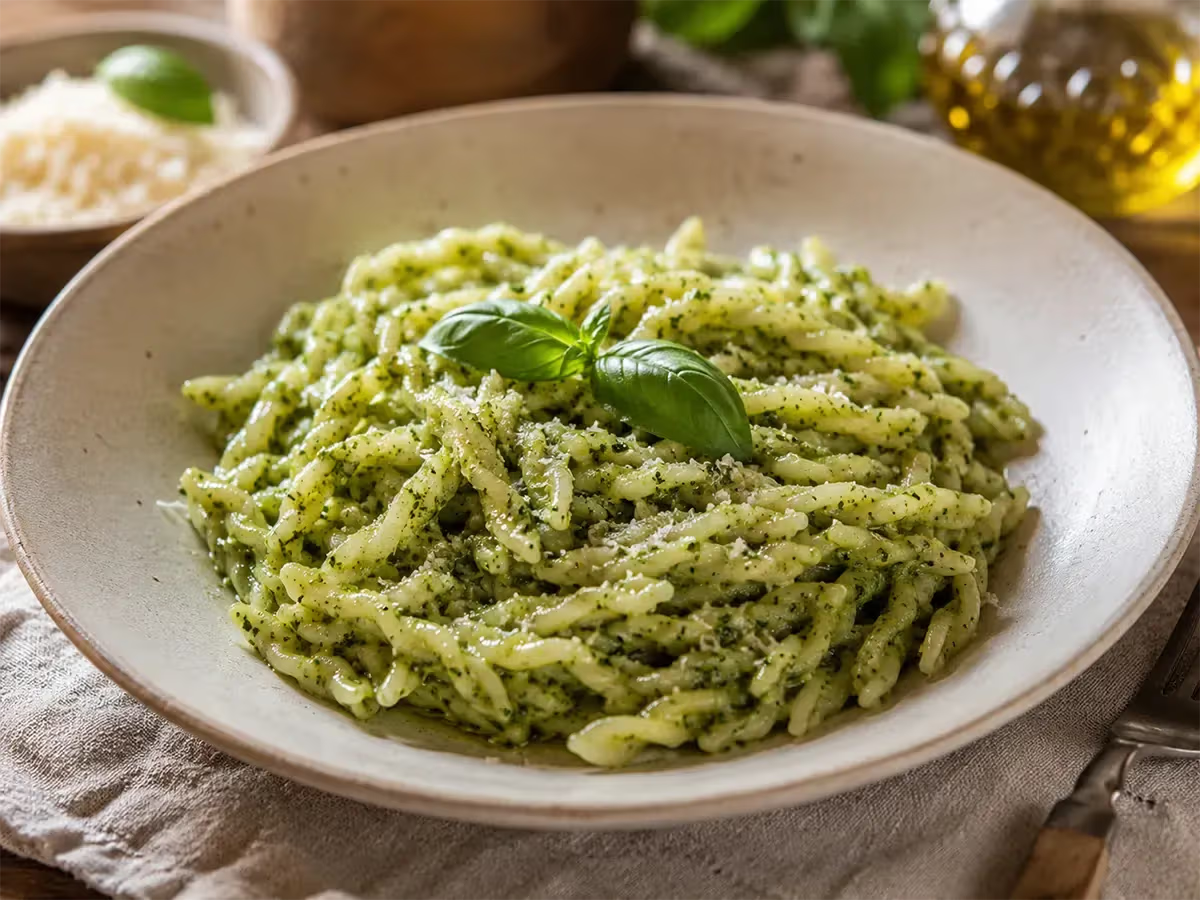
In the kitchen, pesto traditionally pairs with trofie or trenette, often in the presence of boiled green beans and diced potatoes, as the classic Ligurian recipe calls for. It also goes into a vegetable soup known as minestrone alla genovese and is used as a cold condiment, added to the pasta after cooking off the heat to preserve its colour and aroma.
In the Ligurian mortar, a practice much older than its contemporary fame is preserved. The use of pounding aromatic herbs with fat and cheese to season pasta is documented in Genoa at least from the second half of the nineteenth century, but the agliata and raw herb sauce belong to a local culinary tradition dating back to the Middle Ages. The port of Genoa, a crossroads of spices and goods from the East and the Maghreb, favored over the centuries a cuisine oriented toward condiments, oil, and fresh herbs.
The codified recipe we know today, with basil as the dominant ingredient, took shape during the nineteenth century, when Genoese greenhouses began to cultivate basil on a large scale. The spread of Ligurian emigration brought pesto to the tables of Buenos Aires, Marseille, and New York, contributing to building its international reputation well before the product obtained formal protection. The Consortium of Genoese Pesto protects today the traditional recipe and promotes the World Pesto Championship at the Mortar, which is held in Genoa on a biennial basis, gathering competitors from around the world around the founding gesture: the hand on the pestle.
Authentic pesto is recognized first of all by its color: a bright and uniform green, neither dark nor oxidized, tending toward brilliant yellow when the basil is particularly young. The consistency is creamy but not smooth like industrial puree; small irregularities are noticeable, given by the granules of cheese and fragments of pine nut, a sign that the processing has occurred mechanically or with a mortar without high-speed blenders that would alter the temperature and oxidize the leaves.
The aroma is unmistakable: fresh basil, with notes of garlic present but not aggressive, and a creamy undertone given by Parmigiano Reggiano or Pecorino. Quality packaged products report on the label the indication of DOP Genovese basil and the absence of preservatives. The Consorzio del Pesto Genovese has registered the homonymous trademark, which guarantees compliance with the ingredients of the traditional recipe.
Pesto alla genovese is a condiment with a predominantly lipid composition, providing approximately 450 to 550 kcal per 100 grams, varying according to the quantity of oil and cheese. Extra virgin olive oil provides monounsaturated fatty acids and vitamin E. Pine nuts contribute polyunsaturated fats, zinc, and magnesium. Basil provides vitamin K and trace carotenoids. The sodium content can be significant due to the presence of aged cheeses, a factor to consider in low-sodium diets.
Fresh pesto should be stored in the refrigerator in a glass container with an airtight seal, covered with a thin layer of extra virgin olive oil that isolates the surface from air and slows down oxidation. Under these conditions it keeps for four or five days. It is possible to freeze it in single-dose portions: once thawed at room temperature, mix well before use. Packaged pasteurized products should follow the instructions on the label.
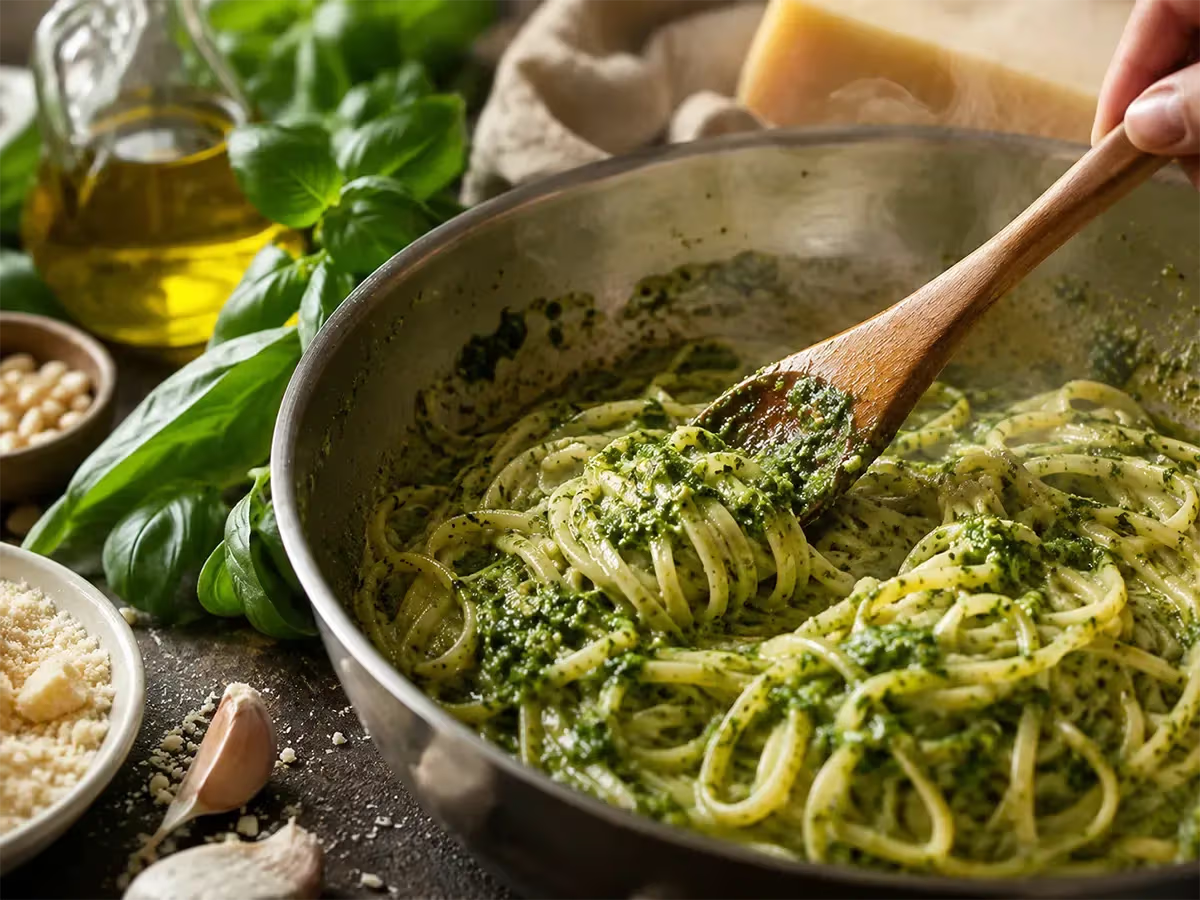
Pesto is always added cold or off the heat, mixed with drained pasta and thinned with a spoonful of cooking water to help it bind. It should never be heated directly: heat degrades the basil, darkens the sauce and disperses the volatile aromas. The serving temperature is room temperature, just lukewarm thanks to the heat of the pasta. In summer preparations it is also used as a condiment for bruschettes, for cold rice salads or as an accompanying sauce for boiled vegetables.
The natural wine for pesto is a dry, mineral Ligurian white: Vermentino della Riviera Ligure di Ponente or a Pigato di Albenga sustains the richness of the condiment without covering the basil. The acidity and salinity of these wines balance the cheese and pine nuts with a territorial coherence difficult to replicate with labels from other regions.
At table, pesto pairs well with focaccia genovese, with which it shares extra virgin olive oil as a common thread. It also pairs willingly with fresh mozzarella or fresh goat cheeses, where the herbaceous note finds a clean dairy counterpoint. Avoid pairings with heavily spiced cured meats or blue cheeses, which overpower the delicacy of the basil.
It is the preparation most rooted in Genoese tradition. Trofie, a short spiral-shaped pasta typical of Liguria, are cooked together with cubed potatoes and trimmed green beans in the same water. Drained together, they are dressed with pesto thinned with a little cooking water, creating a dish where the starch from the potatoes softens the sauce and the green beans add a green and crunchy note.
Different from minestrone from other regions, the Genoese version incorporates pesto at the end of cooking, off the heat. Seasonal vegetables, typically zucchini, green beans, potatoes and short mixed pasta, are cooked in light broth; the pesto is added to the plate at the moment of serving, perfuming the broth and tinting it green. The winter version also includes fresh or dried borlotti beans.
Trenette, a long flat pasta typically Ligurian, represent the oldest format paired with pesto, already cited in nineteenth-century recipes. They are dressed simply with pesto, without the addition of vegetables, allowing the sauce to be the absolute protagonist. The quality of the oil and basil is perceived with clarity in this essential preparation.
In Genoa and throughout Liguria, pesto is not merely a condiment, it is an identity reference. In Genoese families, the marble mortar is an object passed down from generation to generation, and the ability to prepare a good pesto by hand is considered a fundamental domestic skill, independent of culinary profession. Sunday was traditionally the day for trofie al pesto, a festive dish that marked the break from weekly work. Among Ligurians who emigrated to South America or Northern Europe, the aroma of pesto long represented the most immediate sensory link with their homeland, so much so that it became the subject of collective preparation rituals in diaspora communities.
The reference event is the World Championship of Pesto al Mortaio, organized in Genoa on a biennial basis by the Consorzio del Pesto Genovese. Participants, coming from dozens of countries, compete exclusively using the mortar following the traditional recipe, with evaluation entrusted to a panel of experts. Genoa also hosts, as part of Euroflora and other spring fairs, events and tastings dedicated to basil genovese DOP, a key ingredient of pesto, with visits to the greenhouses of the Riviera and demonstrations of artisanal processing.