
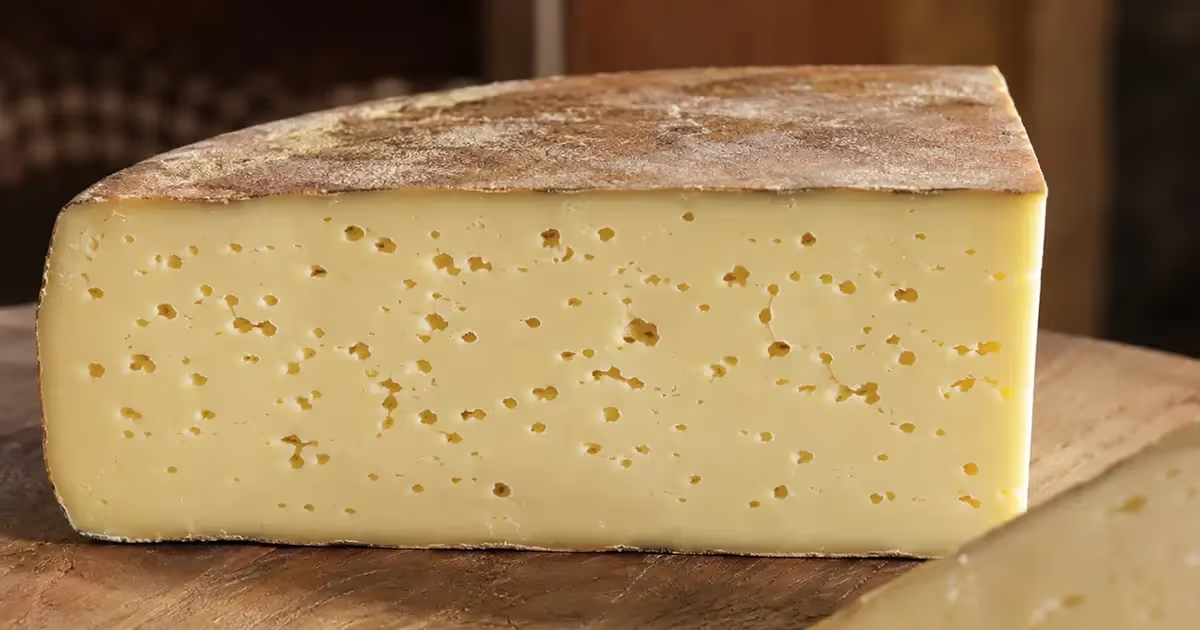
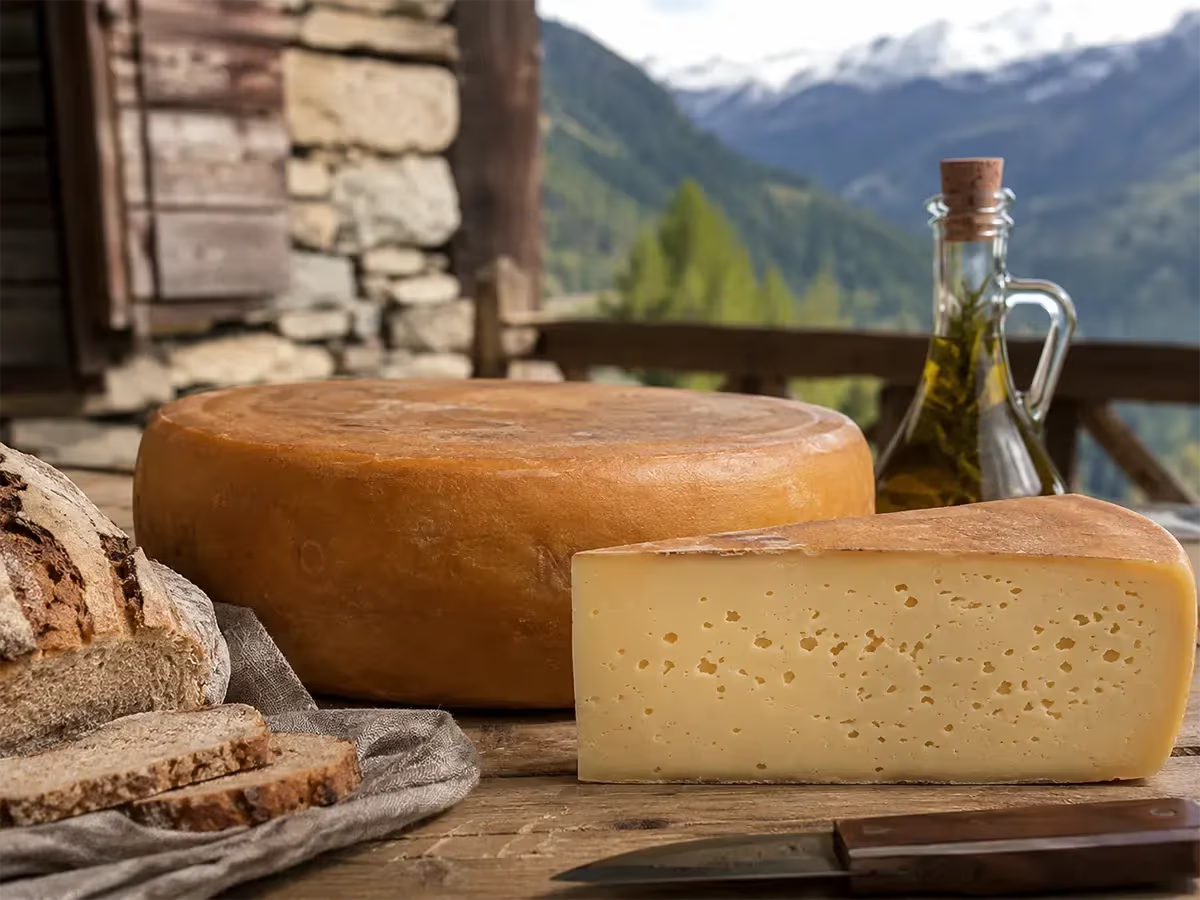
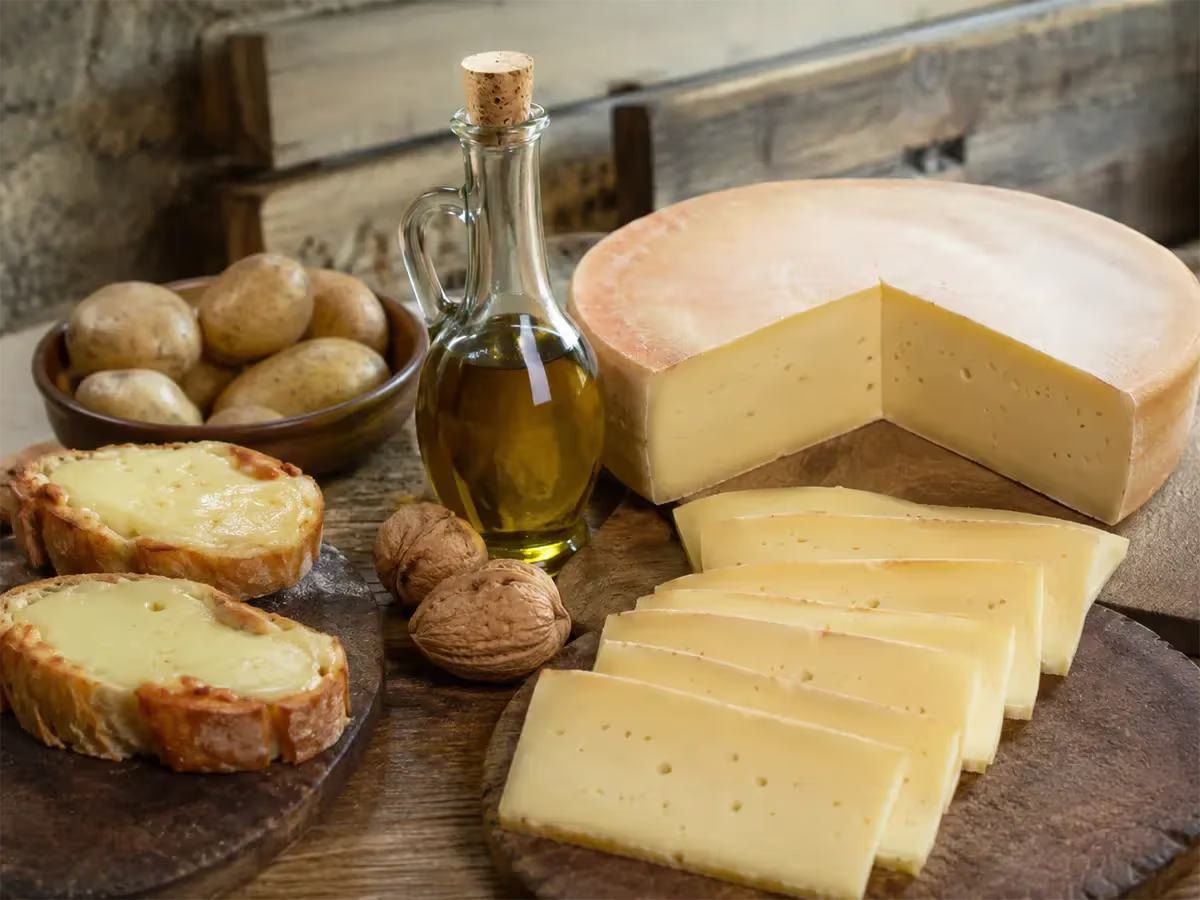
Fontina d'Aosta DOP is a semi-cooked paste cheese produced exclusively in Valle d'Aosta, made from whole raw milk of Valdostana breed cows, milked only once a day. The form is cylindrical with a slightly concave rind, the weight ranges between seven and twelve kilograms, and the compact crust takes on hues ranging from light brown to deep brown depending on the aging, which must be at least three months. The internal paste is straw yellow in color, soft and elastic, with small irregular eyes distributed uniformly. On the nose it offers milky notes, alpine hay and melted butter; on the palate the flavor is sweet, melting, with a slightly bitter aftertaste that increases as aging progresses.
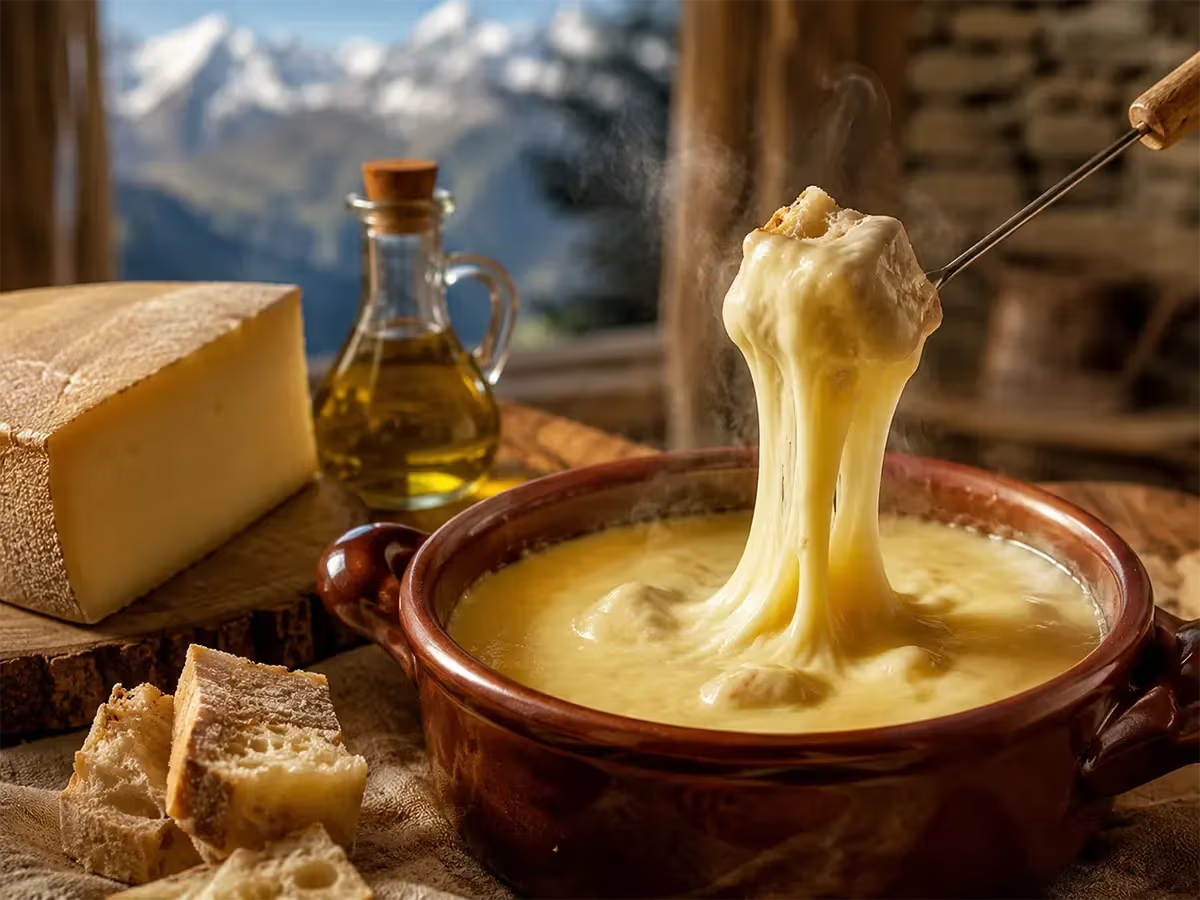
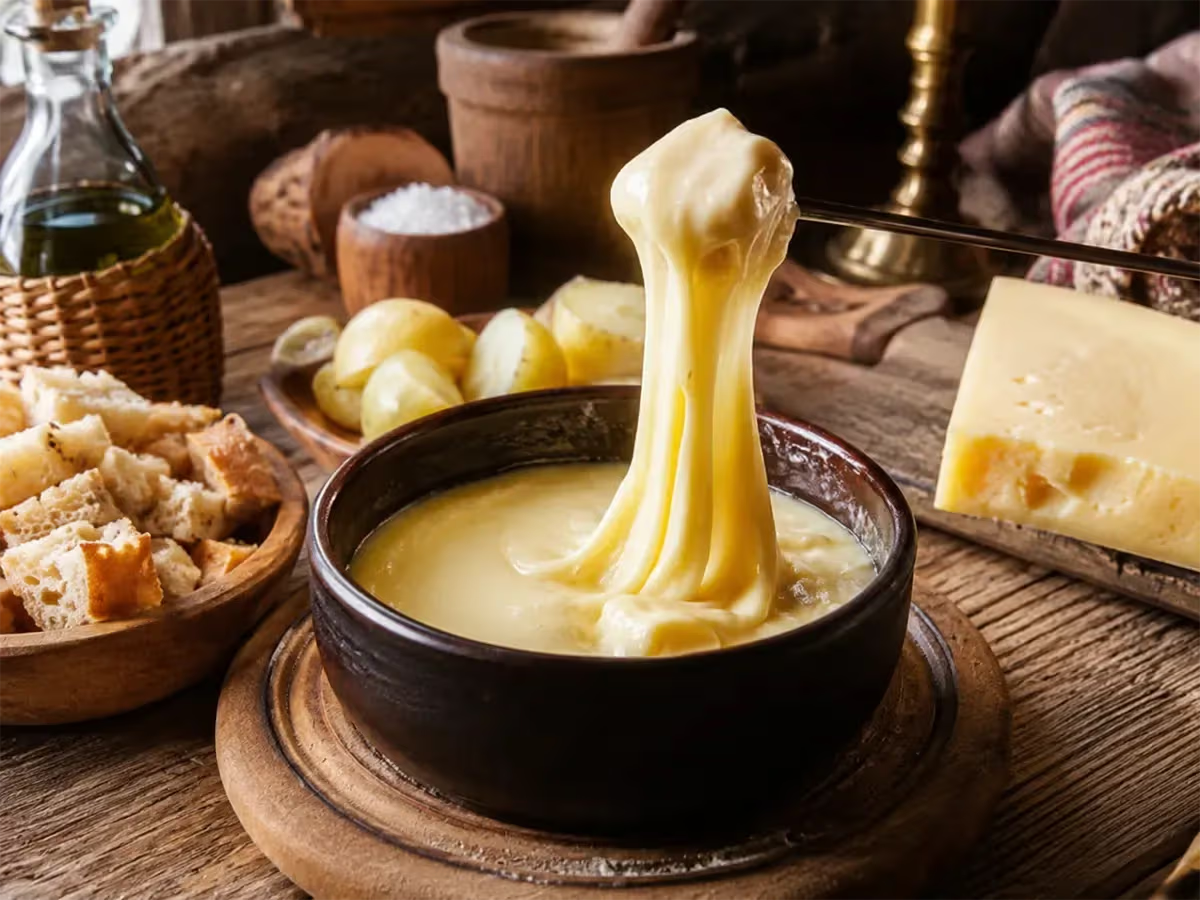
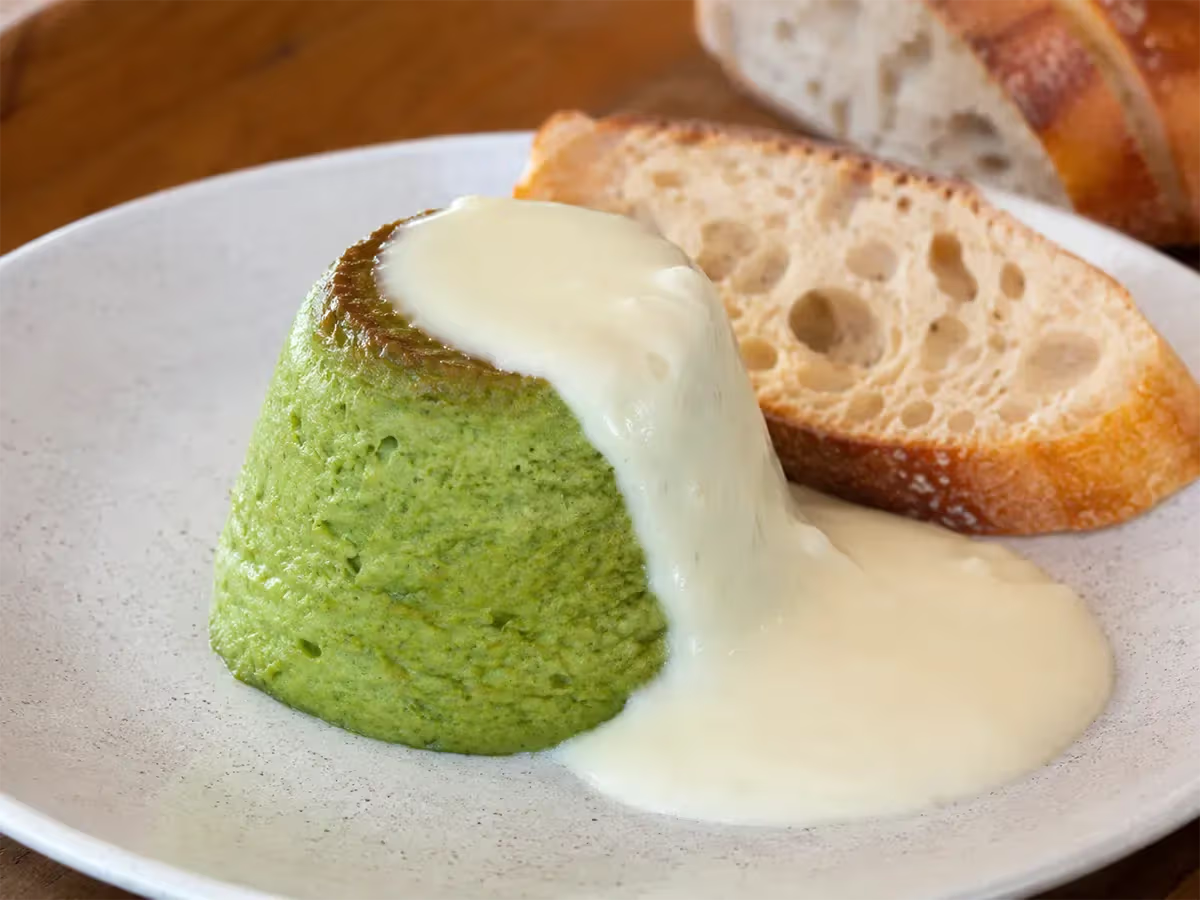
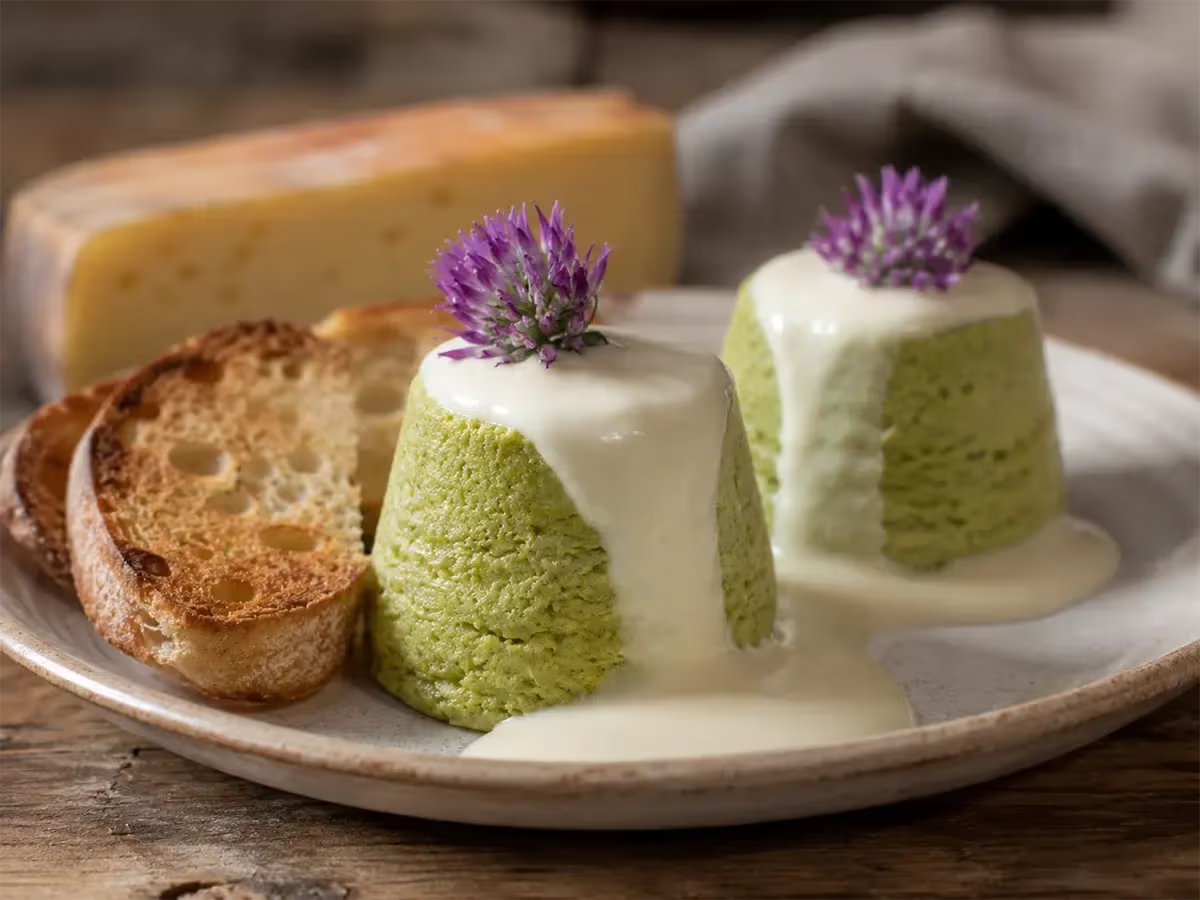
In the kitchen Fontina is the protagonist of numerous Valle d'Aosta preparations. It melts with extraordinary ease, a characteristic that makes it indispensable for fondue, the Valdostana fondue. It is a key ingredient in polenta concia, in fillings for meats and vegetables, in appetizers with rye bread. Consumed at table as a slicing cheese, it expresses itself best at room temperature, when the paste regains softness and aromatic fullness.
On the walls of Castel Fénis, a 14th-century Aosta Valley castle, frescoes appear in which scholars have recognized a form of cheese identified with Fontina. This iconographic reference is among the oldest testimonies of the rooting of this cheese in the alpine culture of the valley, where summer mountain pasturing has always marked the rhythms of mountain communities. The name itself appears in documents from the Gran San Bernardo hospice starting in the 18th century, a sign of already consolidated production and a product that circulated in local exchange networks.
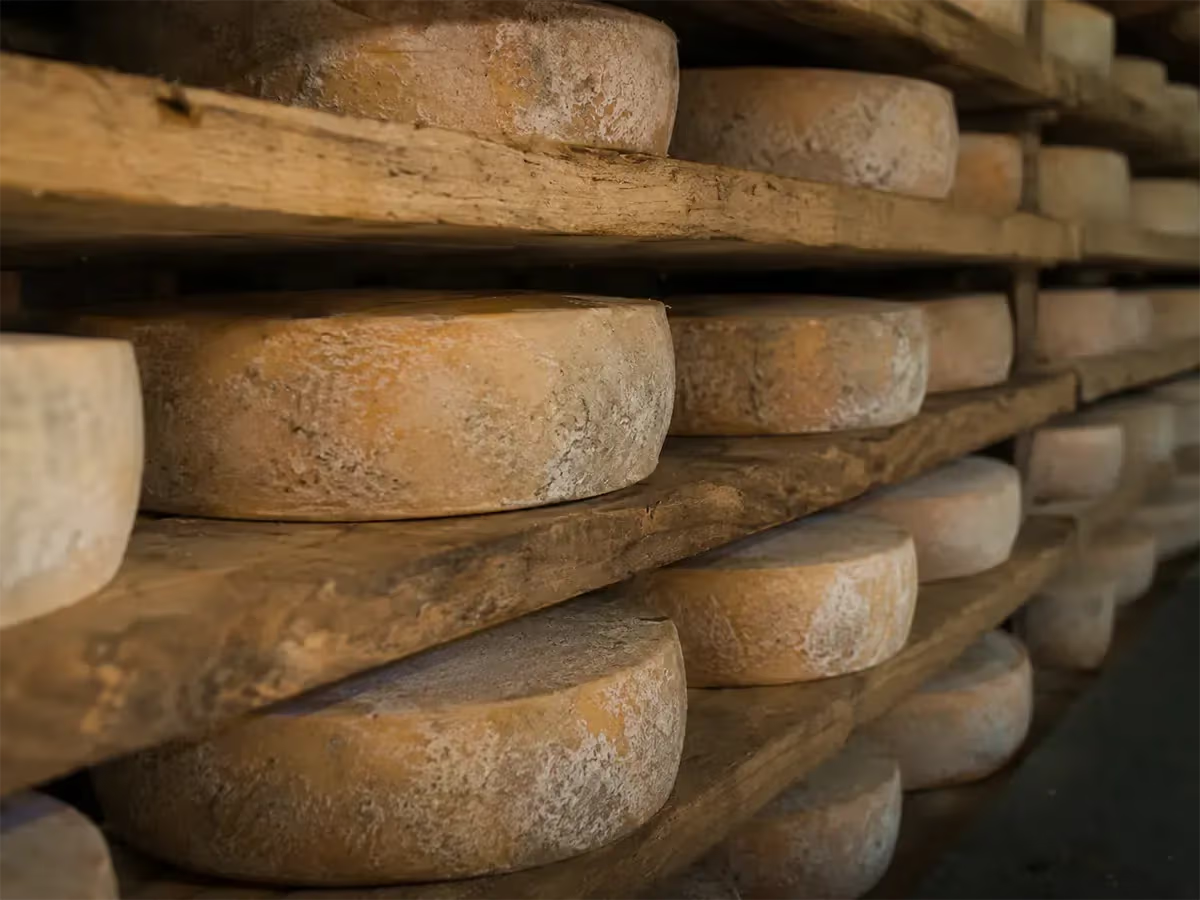
The history of Fontina is inseparable from vertical transhumance: herds that in summer climb toward high-altitude pastures, between 1600 and 2700 meters, produce milk rich in aromatic herbs and alpine flowers that imprints the cheese with its distinctive organoleptic profile. In the 1950s, production is structured around the Cooperativa Produttori Latte e Fontina, which still today coordinates most of the dairies and alpine pastures in Aosta Valley. The DOP recognition, obtained in 1996 within the framework of European regulations, codified the production specifications binding production to the entire regional territory and to a rigorously local supply chain, from pasture to aging in the characteristic cellars carved into rock or natural caves.
Fontina d'Aosta DOP is recognizable at first sight by its compact and oily rind, which varies from golden hazelnut to dark brown depending on the aging time and the salt and oil treatments applied during maturation. The cylindrical shape with a slightly concave sides and the fire-branded mark impressed on the rind, bearing the name "FONTINA" in specific characters and the logo of the Consorzio Produttori e Tutela della DOP Fontina, are essential guarantees of authenticity.
Internally the paste presents a uniform straw-yellow color, soft and elastic to the touch, with small scattered eyes. An authentic cheese does not present excessive irregularities in the paste nor crusts cracked in an anomalous way. To the sense of smell one clearly perceives the aroma of raw milk, butter and herbaceous notes typical of Alpine pastures. Products that imitate the denomination without the consortial mark affixed to the form do not fall within the DOP and cannot legitimately boast the name Fontina d'Aosta.
Fontina d'Aosta is a full-fat cheese with an indicative caloric content of approximately 340-360 kcal per 100 grams. It provides high-quality proteins, significant amounts of calcium and phosphorus, important micronutrients for bone mineralization. The lipid content is significant, with a good presence of saturated fatty acids and, thanks to feeding based on alpine herbs, an interesting quota of polyunsaturated fatty acids and vitamin A. Made from raw whole milk, it retains the natural enzymes and organoleptic characteristics of the starting milk.
Fontina d'Aosta should be stored in the refrigerator on the least cold shelf, ideally between 4 and 8 degrees. It is advisable to wrap it in a lightly dampened cotton cloth or in special food paper, avoiding direct contact with plastic wrap that would prevent the rind from breathing. If consumed within a few weeks of purchase, it maintains its softness and aroma intact. Before serving it is preferable to remove it from the refrigerator at least thirty minutes in advance.
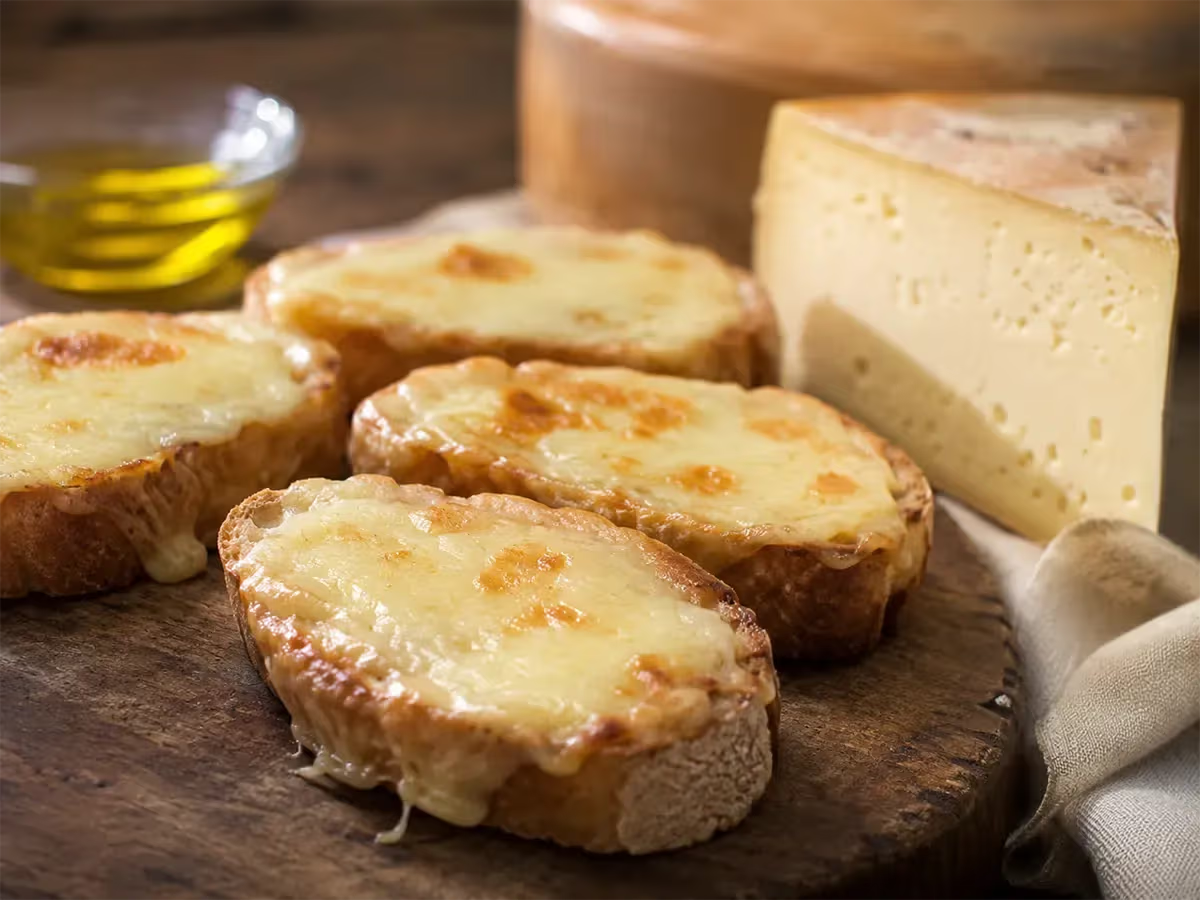
Fontina is consumed at room temperature as a table cheese, sliced or cut into cubes on boards with valdostano rye bread. For cooked preparations, its strong point is its melting quality: simply cut it into small pieces and heat it over low heat to obtain a velvety cream, suitable for fondue, polenta concia and gratins. In the kitchen it pairs successfully with white meats, potatoes, mountain vegetables and chestnuts. Avoid excessively high temperatures that can compromise its structure and push the flavor too much towards fatty notes.
On the wine front, Fontina d'Aosta finds its most natural companions among medium-bodied Aosta Valley reds: a Torrette or an Enfer d'Arvier, with their slightly tannic note and fruity hints, support without overpowering the melting flavor of the cheese. For those who prefer white wine, a Petite Arvine from Aosta Valley, with its minerality and slight savory vein, cleanses the palate and enhances the milky notes of the paste.
At the table, Fontina pairs with rye bread from the Aosta Valley, produced with the same dark flour that characterizes the local cereal tradition. Rhododendron or chestnut honey creates a much-appreciated sweet-savory contrast. In combination with Aosta Valley cured meats such as Lardo d'Arnad DOP or Mocetta, it forms the heart of the mountain appetizer par excellence.
The most emblematic preparation of Aosta Valley cuisine involves soaking Fontina in milk for several hours, then melting it over very low heat with butter and egg yolks until obtaining a dense and velvety cream. It is served hot, accompanied by bread crostini or raw vegetables, and is traditionally consumed on cold mountain evenings as the quintessential communal dish.
Polenta concia is one of the dishes most rooted in the peasant cuisine of the Aosta Valley Alpine valleys. Cornmeal, cooked for a long time in salted water, is worked off the heat with abundant cubed Fontina and mountain butter, until forming a stringy and flavorful mixture. It is brought to the table directly from the pot, often accompanied by speck or local sausages.
A dish of Aosta Valley bourgeois tradition, the cutlets are filled with a slice of raw ham and a slice of Fontina, then passed through egg and breadcrumbs and fried in butter. The Fontina melts inside creating a creamy heart that pleasantly contrasts with the golden and crispy crust.
In Valdosta culture, Fontina is not simply a cheese: it is the tangible sign of the alpine cycle, of time spent at altitude and of the work of alpine herders. The ascent to summer pastures, the processing of milk in mountain huts, the descent of the wheels to the valley in autumn are rituals that still structure today the calendar of communities in many municipalities. In many families, Fontina produced on the family's alpine pasture is carefully preserved in the home cellar, consumed on important occasions as an element of domestic identity before it is gastronomic. Each wheel carries with it the name of the alpine pasture and the season, concrete memory of a landscape and a labor.
Fontina d'Aosta is present at the main regional food and wine events throughout the year. The Sant'Orso Fair, held in Aosta every year on January 30 and 31, is the most eagerly awaited opportunity to meet Aosta Valley producers and alpine herders who bring their wheels to the city. In summer, during the alpine pasture season, numerous municipalities organize markets and days dedicated to dairy products, where Fontina is the protagonist alongside other local cheeses. The Consortium of Producers and Protection also organizes promotion and tasting events throughout the year.