
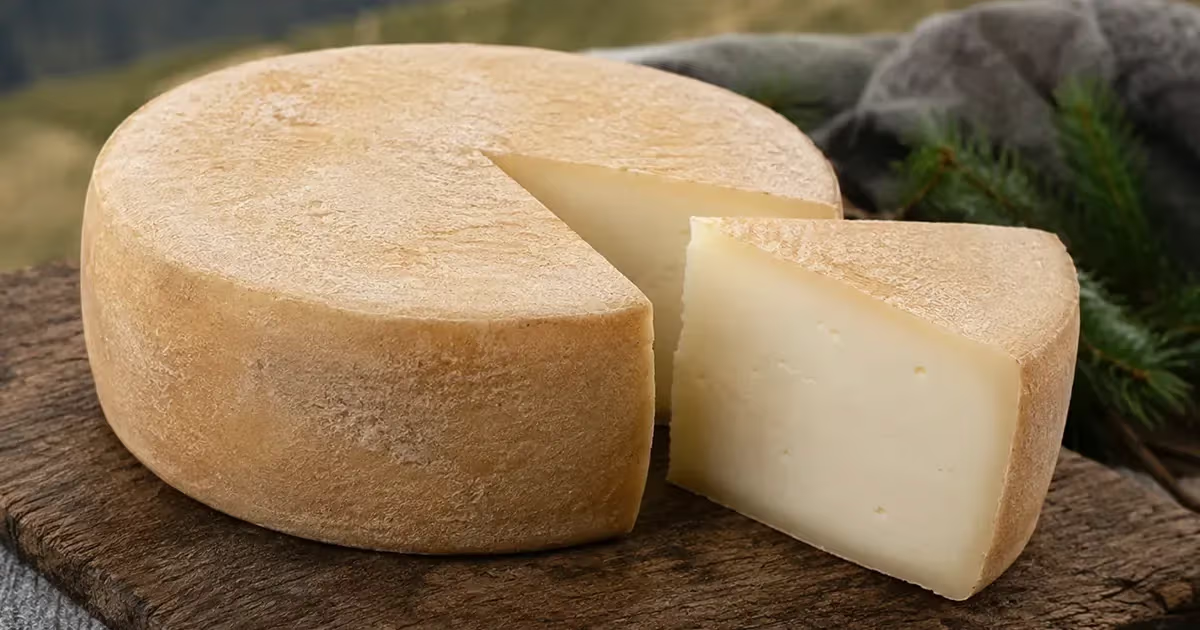
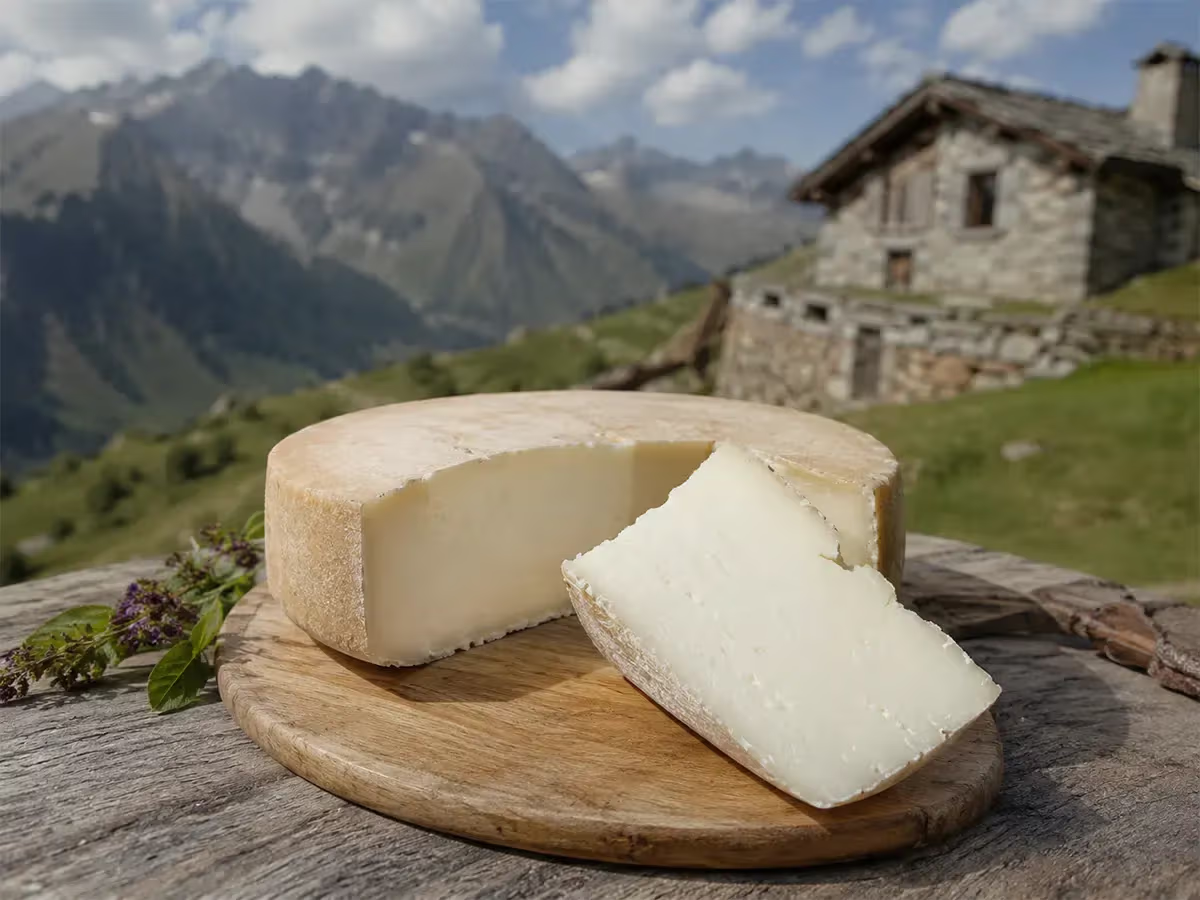
Toma Ossolana DOP is a semi-hard cheese produced in Val d'Ossola, an Alpine territory in the province of Verbano-Cusio-Ossola, in northern Piedmont. It is made from whole or partially skimmed cow's milk, sourced from cattle raised in the Ossolane valleys, and undergoes minimum aging that contributes to defining its compact character and natural rind, with a color ranging from yellowish to brown as it matures.
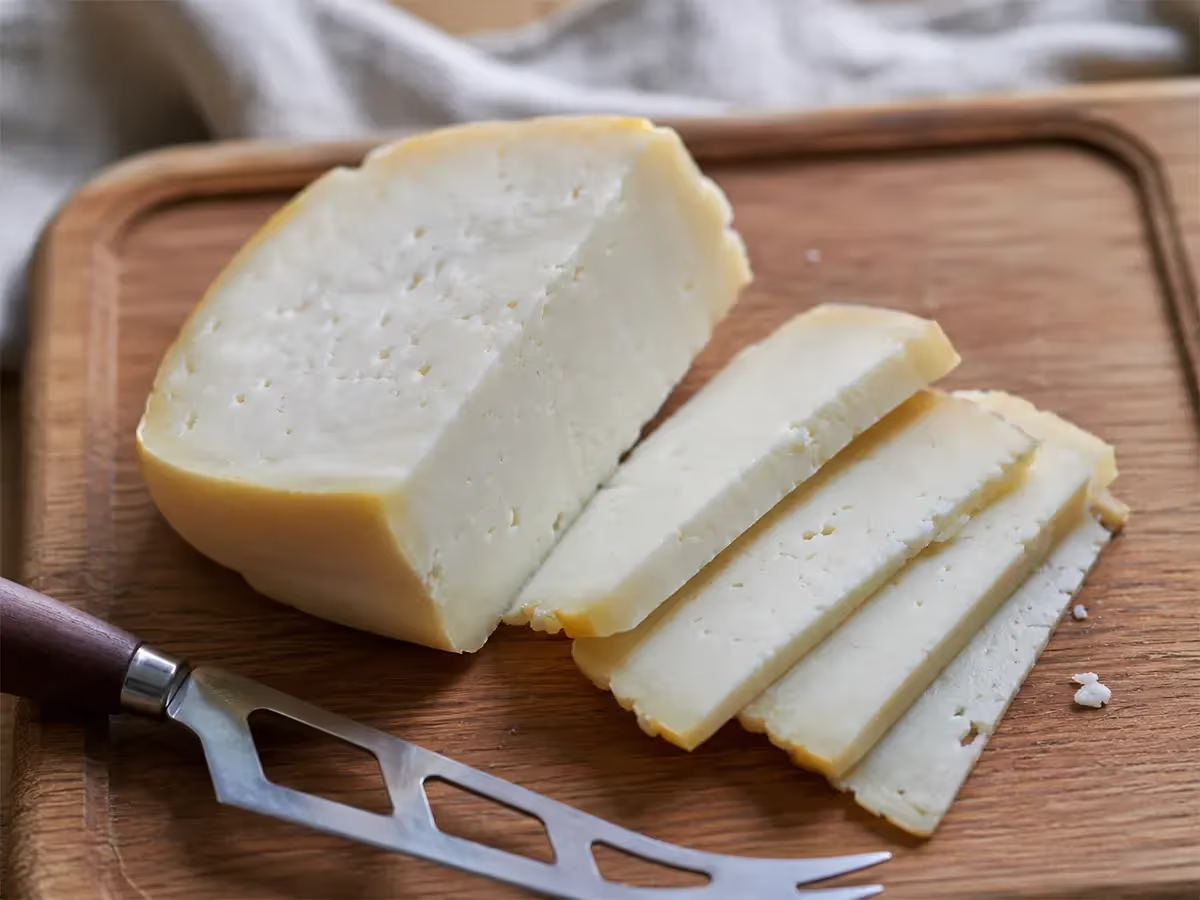
On the palate, Toma Ossolana offers an elastic and uniform paste, with a sweet and delicate flavor in younger forms, which becomes more pronounced, slightly peppery and rich in herbaceous notes in longer aging. In the kitchen it is a versatile cheese: it lends itself to the table as a slicing cheese, melts easily in baked preparations, enriches polenta and risottos, and accompanies with balance the typical dishes of Piedmontese mountain cuisine.
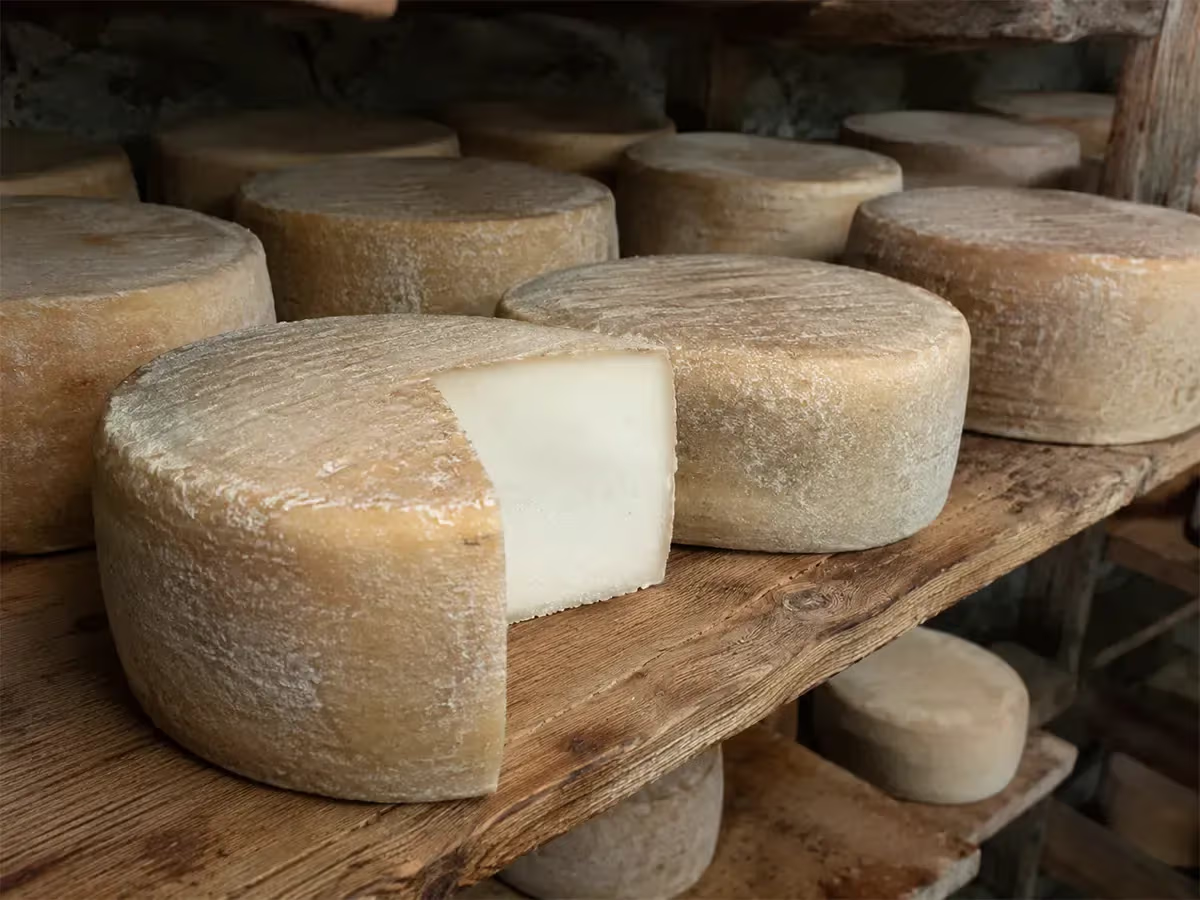
In the Ossolane valleys, cheese production is an ancient practice as old as transhumance itself. The high-altitude mountain pastures, active during the summer months, have always transformed the milk of grazing cattle into cheese forms destined to nourish local communities during the long winter months. Toma Ossolana is rooted in this agro-pastoral tradition, which has shaped for centuries the economy and diet of the people of Val d'Ossola.
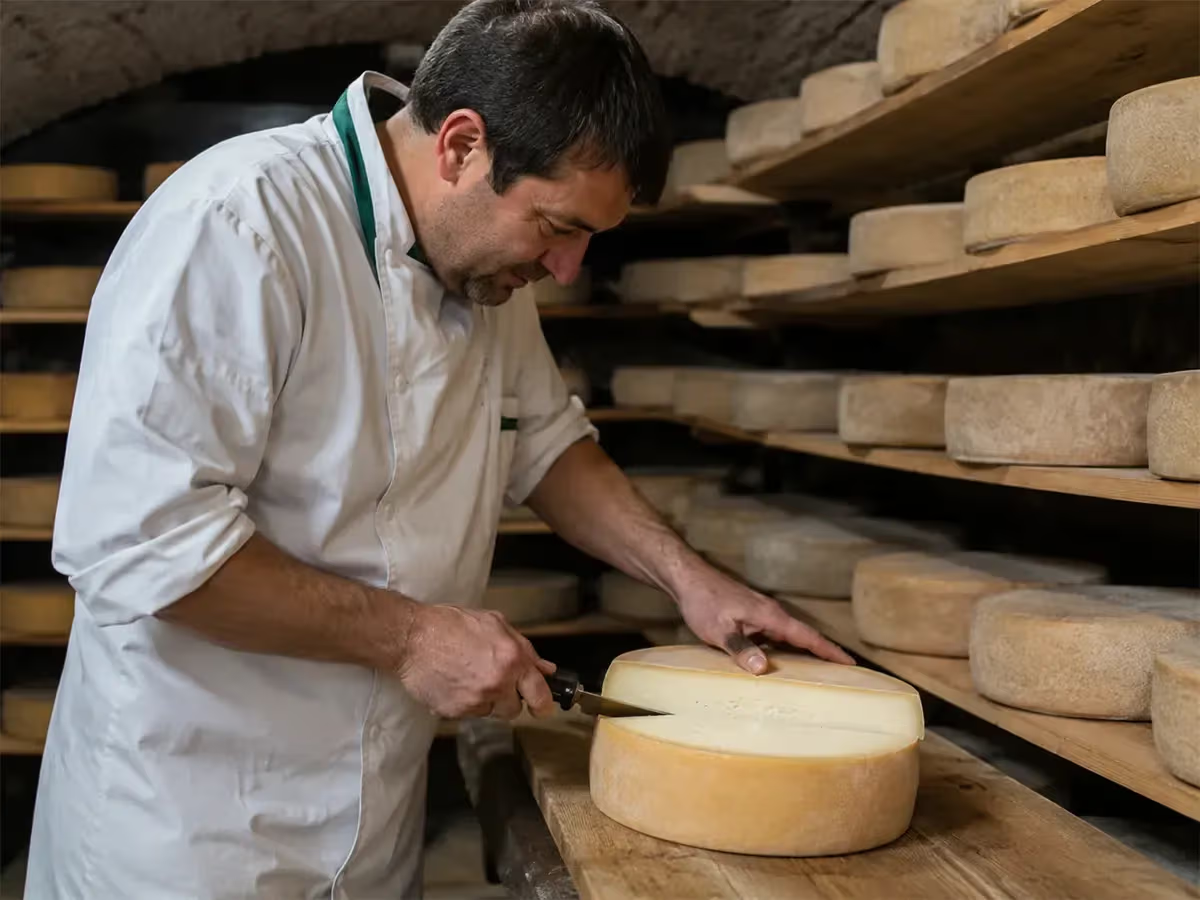
The DOP recognition has established the inseparable bond between this cheese and its territory of origin, defining a disciplinary framework that protects the entire production chain, from cattle breeding to cheese aging. The certification guarantees that production occurs exclusively in the delimited geographical area, enhancing the unique climatic and environmental characteristics of Ossola, where alpine air, pastures rich in herbaceous essences, and cheese-making techniques passed down through time all contribute to giving the cheese an aromatic profile that cannot be reproduced elsewhere. The recognition has also strengthened the awareness of the economic and cultural value of this production for local mountain communities.
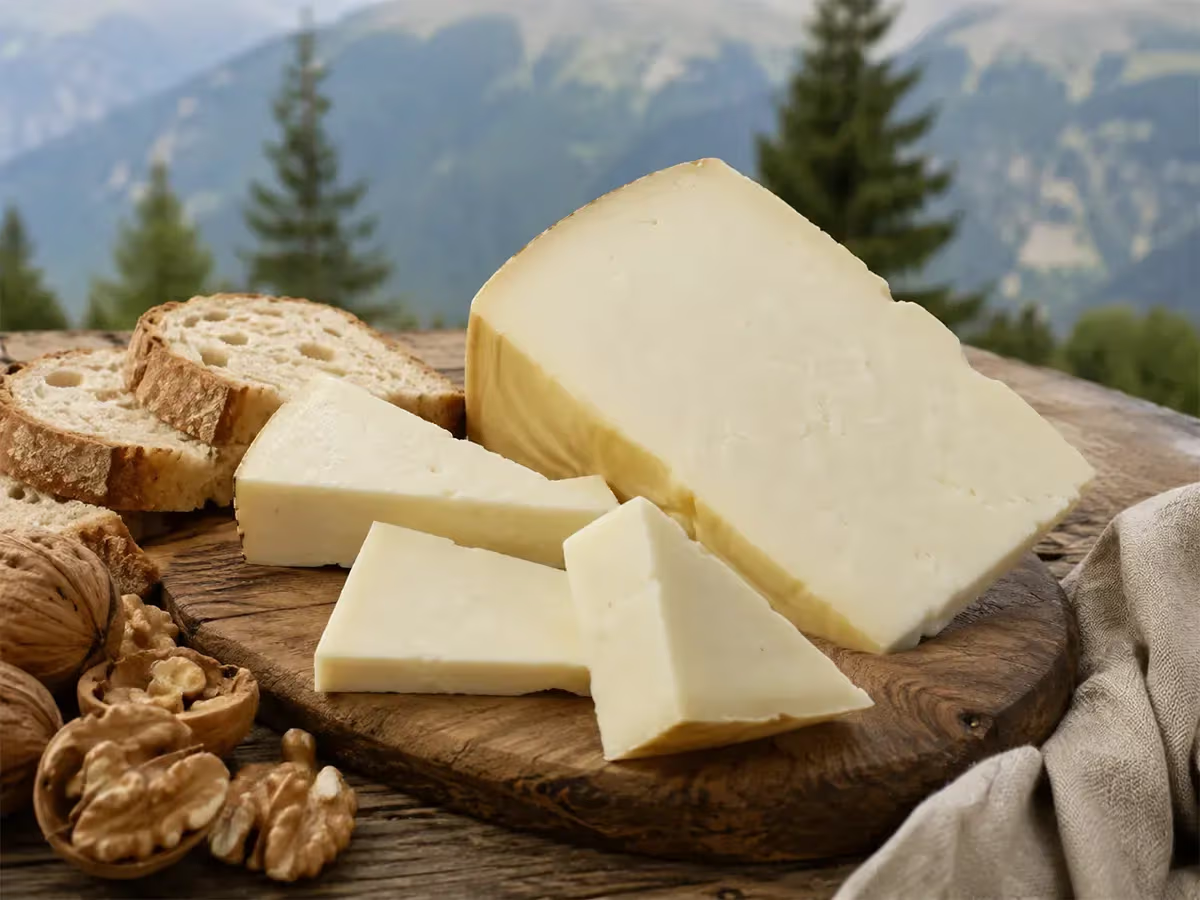
Toma Ossolana DOP is presented in cylindrical forms of medium size, with flat or slightly convex faces and straight sides. The rind is natural, elastic in younger forms, harder and darker in more aged ones, with coloring ranging from straw yellow to brown. The internal paste is white or straw yellow, with sparse and fine eyes distributed uniformly.
The aroma is milky and delicate with herbaceous notes, more pronounced in long-aged forms. The flavor varies from the sweetness of fresh forms to the complexity of advanced aging, without ever being excessively salty. Forms marketed as DOP must bear the identification mark and related labeling compliant with the specification: checking for the presence of the European DOP logo and the mark of the Protection Consortium is the most direct way to distinguish the authentic product from imitations or from toma of different origin.
Toma Ossolana DOP is a cheese with good protein and lipid content, with an indicative caloric intake ranging between 300 and 380 kcal per 100 grams, variable based on the degree of aging. It provides calcium and phosphorus in relevant quantities, important micronutrients for bone health. It contributes to the intake of B-group vitamins, particularly B2 and B12, and vitamin A. The presence of saturated fats is significant, as in all aged cow's milk cheeses, which suggests moderate consumption as part of a balanced diet.
Toma Ossolana DOP should be stored in the refrigerator, between 4 and 8 degrees Celsius, wrapped in cheese paper or in a slightly dampened cloth that allows the paste to breathe without drying out. Once cut, the wheel should be kept with the cut face protected. A whole wheel can be kept for several weeks; cut portions should be consumed preferably within a week, checking that the rind does not develop unwanted molds.
Toma Ossolana is served at room temperature, removing it from the refrigerator at least thirty minutes before consumption, to allow the aromas and flavors to fully express themselves. Young wheels are suitable for direct consumption, sliced or cubed, paired with mountain bread and honey. Longer aged wheels are suited to grating and cooking, melting well over polenta, in gratins or as fillings for fresh pasta. Autumn and winter are the seasons in which the product reaches its most typical expression, in harmony with the mountain table of Piedmont.
With their young forms and delicate flavor, structured white wines from Piemonte, such as an Erbaluce di Caluso or a Gavi, find a natural balance, as do light reds with not too much tannin, including a Rossese or a young Nebbiolo d'Alba. More pronounced aging holds better with full-bodied reds, such as a Ghemme or a Boca, both wines from the Novara hills not far from Ossola.
At table, Toma Ossolana pairs with chestnut or rhododendron honey, with Piemontese mustards and tart fruit compotes. Rye bread in the Alpine tradition is a classic accompaniment. Combined with cured meats from the Ossola valley, such as violino di capra or local salami, it forms balanced boards where each element enhances the other.
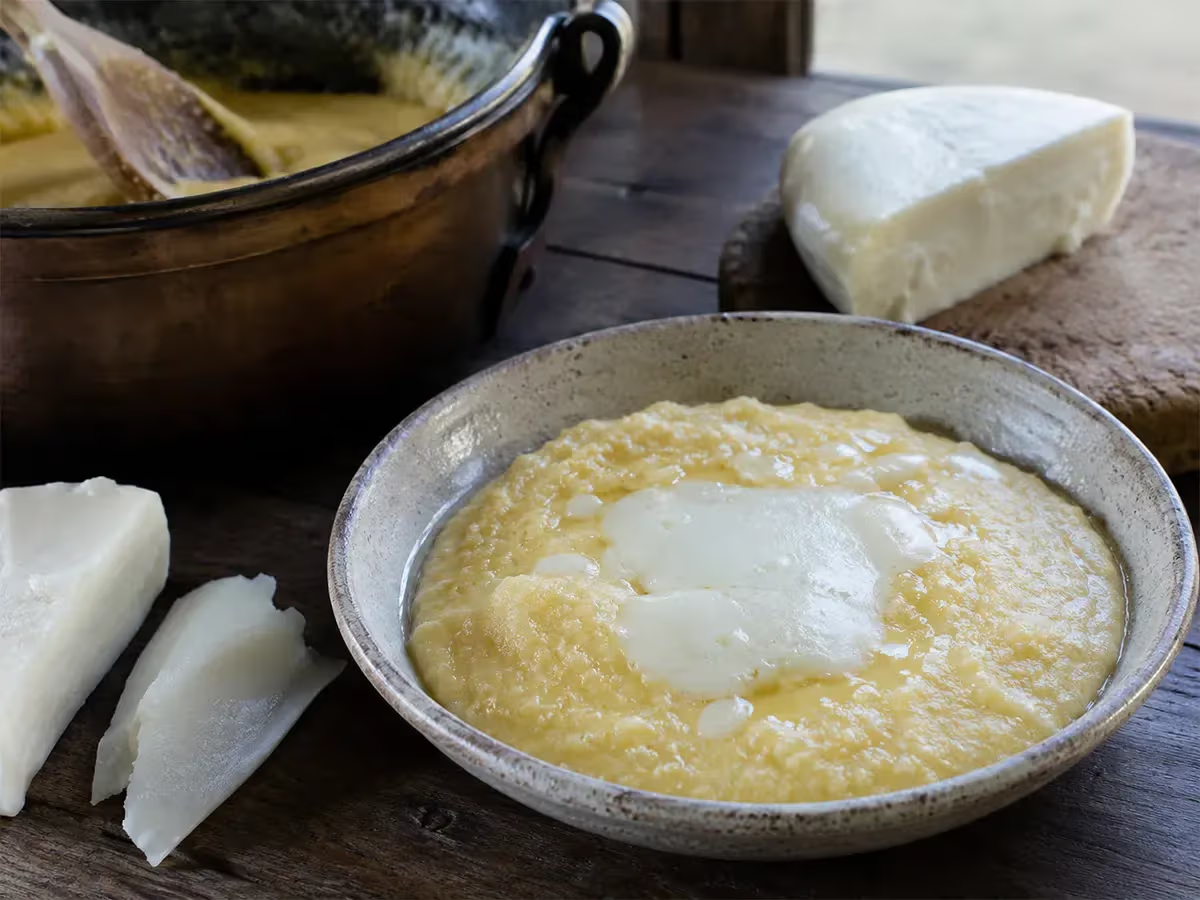
Polenta concia is one of the most deeply rooted dishes in Ossolana mountain cuisine. The corn flour is cooked for a long time, then worked with melted butter and abundant Toma Ossolana cut into cubes, which slowly melts into the polenta creating a stringy consistency and rich flavor. Traditionally served as a single course on cold evenings, it is the context in which the cheese best expresses its ability to melt.
A typical recovery dish from alpine kitchens, it is prepared by alternating layers of stale Ossolana bread and slices of Toma Ossolana in a baking dish, adding hot meat broth and baking in the oven until a golden gratin is obtained. The cheese forms a crust on the surface while melting in the layers below, giving the soup a substantial consistency.
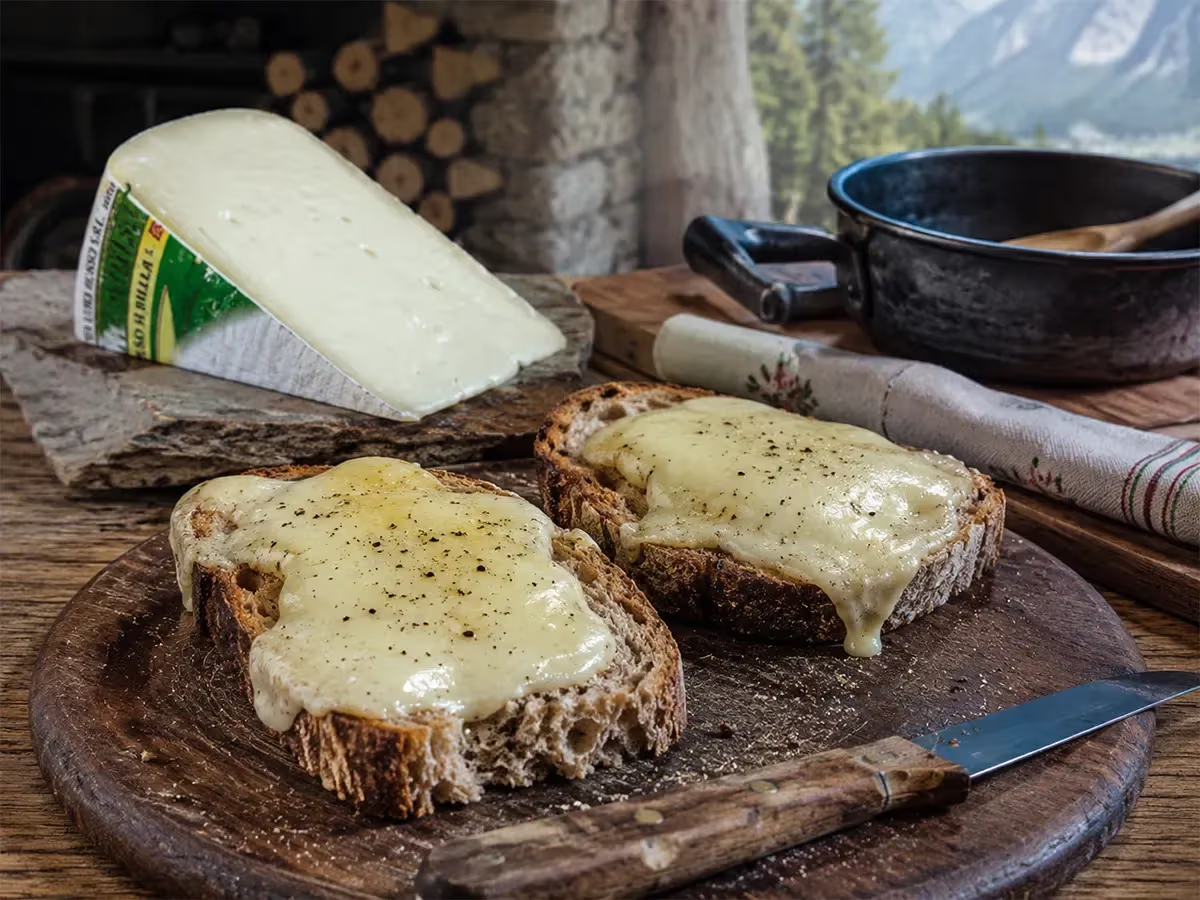
Simple preparation from domestic tradition: slices of aged Toma Ossolana are placed on toasted rye bread and briefly heated in the oven or under the grill. The heat enhances the herbaceous notes of the cheese without altering its structure, and the contrast with the crunchiness of rye bread is the distinctive feature of this informal dish.
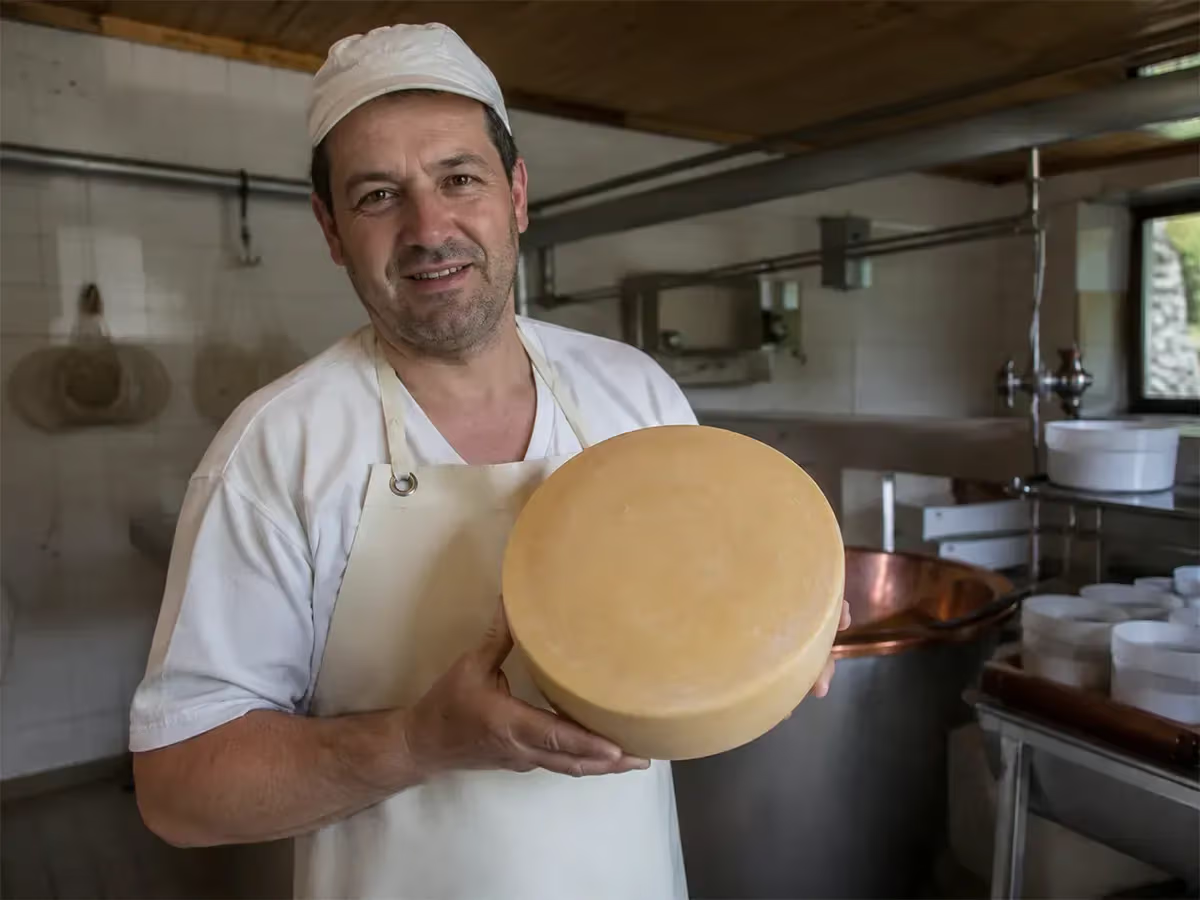
In Ossolian culture, cheese production has always marked the rhythm of the seasons and community life. The end of summer, with the herds returning from the alpine pastures, was an awaited moment in the valleys, during which families gathered around cheese-making as a collective ritual. The wheels of toma represented a precious reserve for winter, preserved in the cool cellars of mountain homes.
Even today, in Ossolian families with roots in livestock farming, Toma maintains a symbolic place on the table during celebrations and Sunday lunches, where it is brought whole and sliced in front of the diners. The connection with local pastures and with the work of the alpine herders is part of the identity of this cheese, perceived as a concrete expression of a landscape and a community.
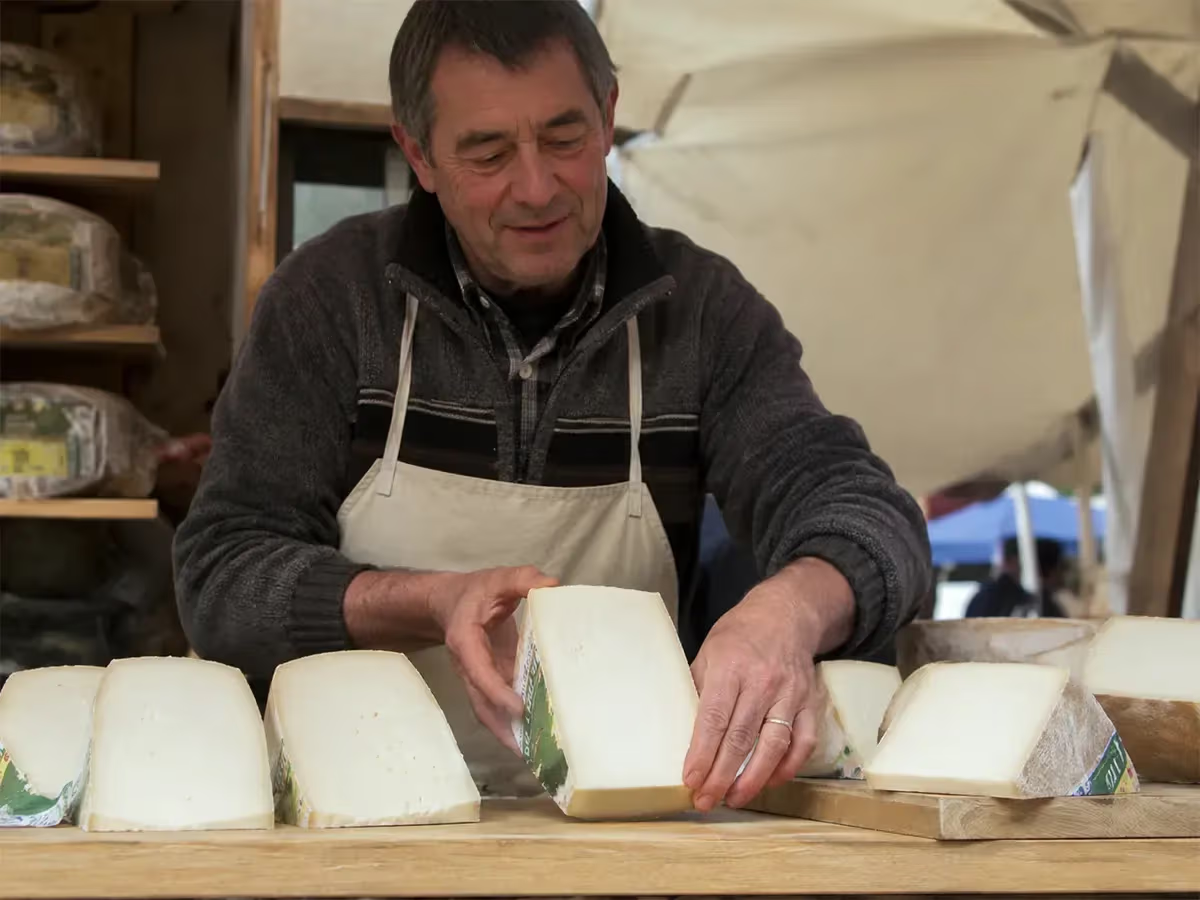
The Val d'Ossola traditionally hosts various events linked to cheese products and Alpine economy, often scheduled in autumn coinciding with the demonticazione, the return of mountain herders to the valley after the summer season. Among the occasions where Toma Ossolana takes centre stage are markets and village fairs in the valley's municipalities, where local producers display their wheels alongside other territorial products. Domodossola, the main centre of the valley, periodically hosts gastronomic events dedicated to Ossolane excellences. For updated information on dates and specific programmes, it is advisable to consult local trade associations and tourism portals of Verbano-Cusio-Ossola.