
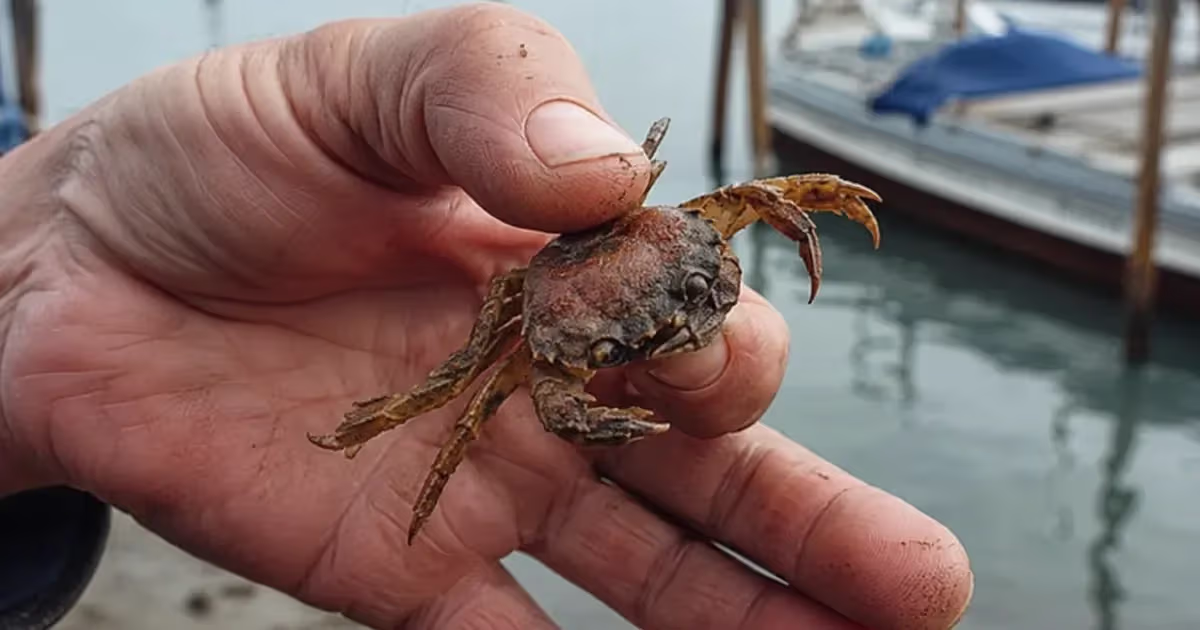
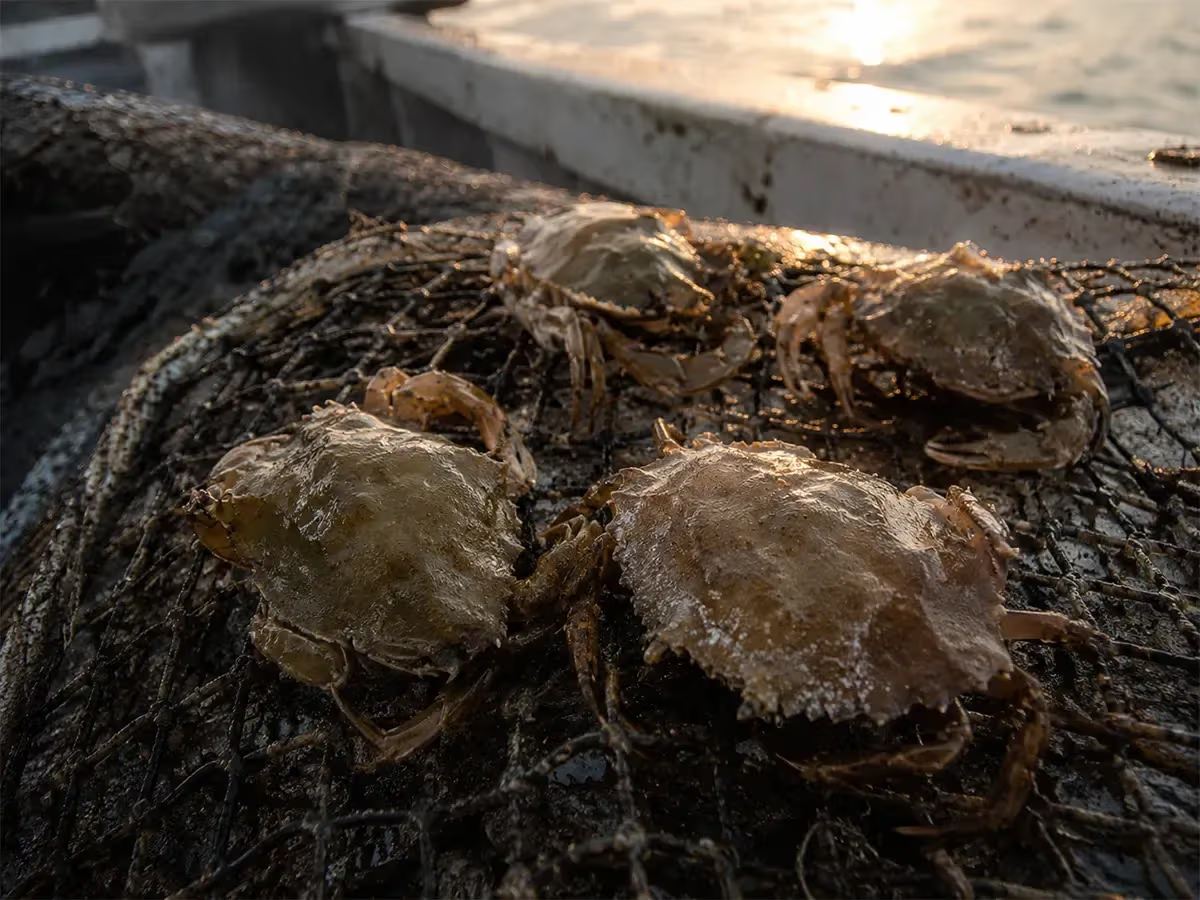
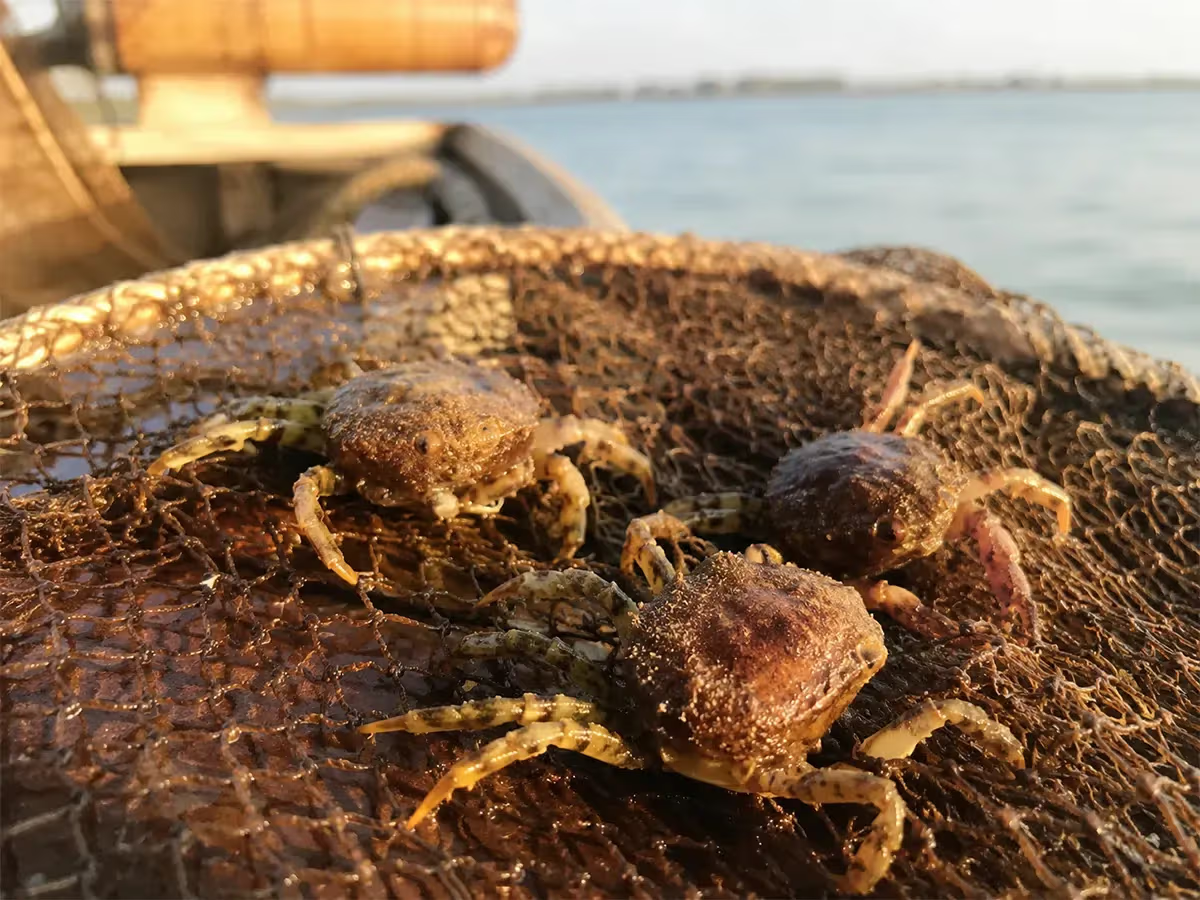
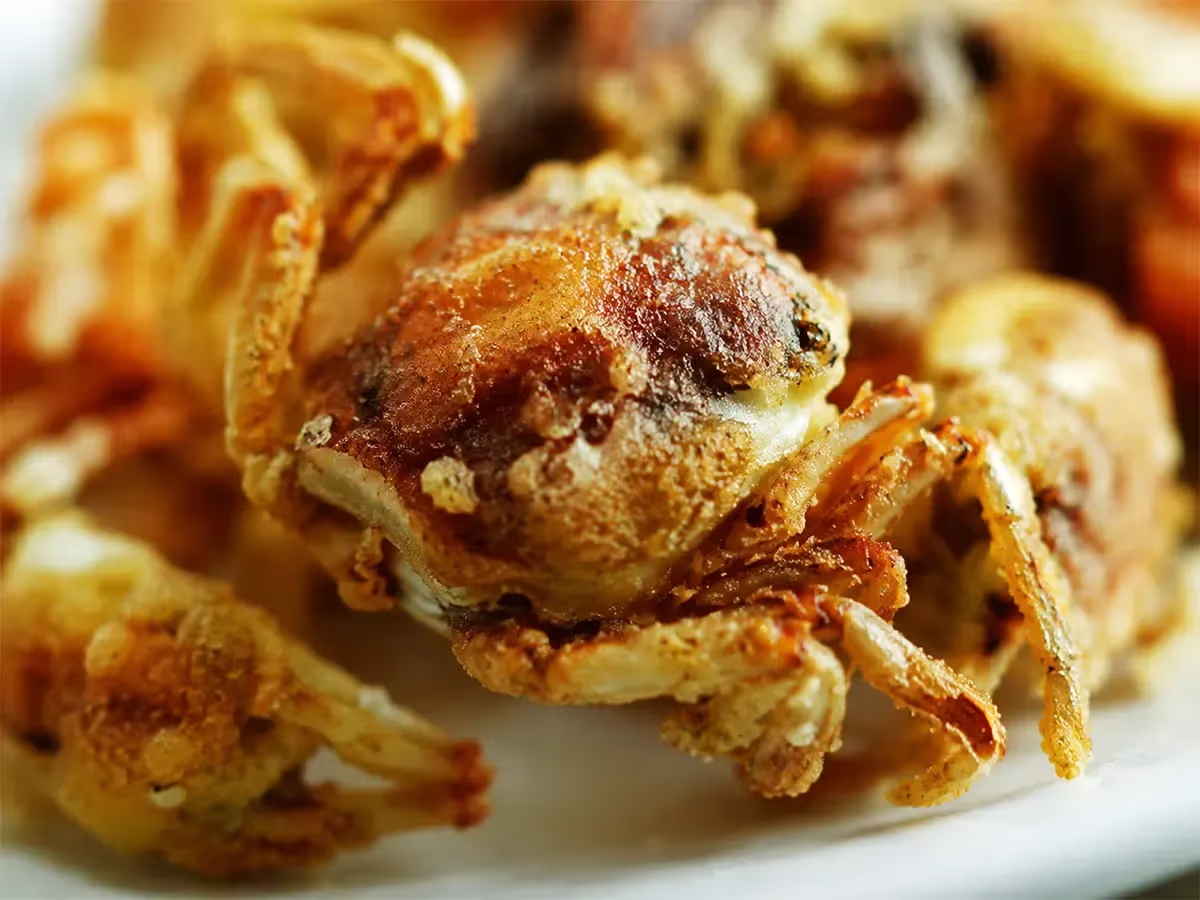
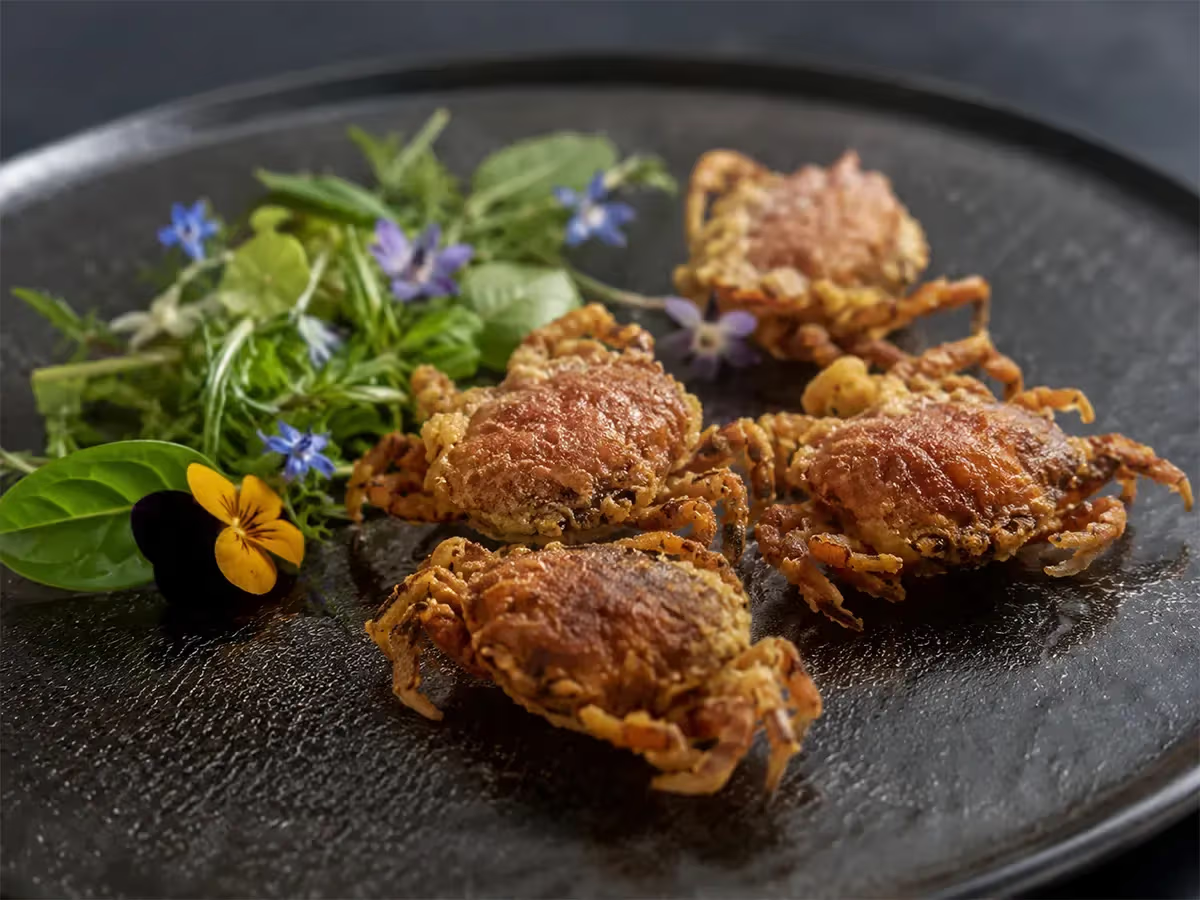
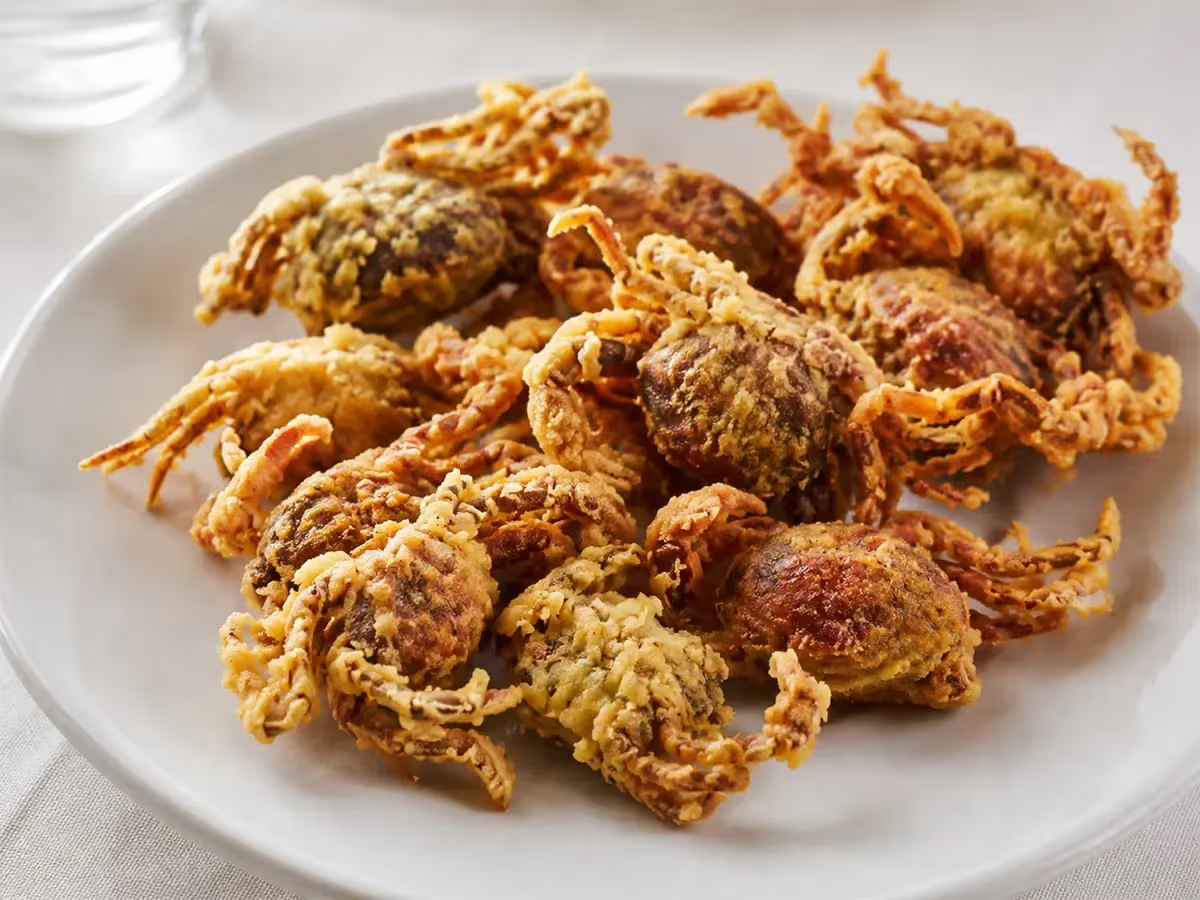
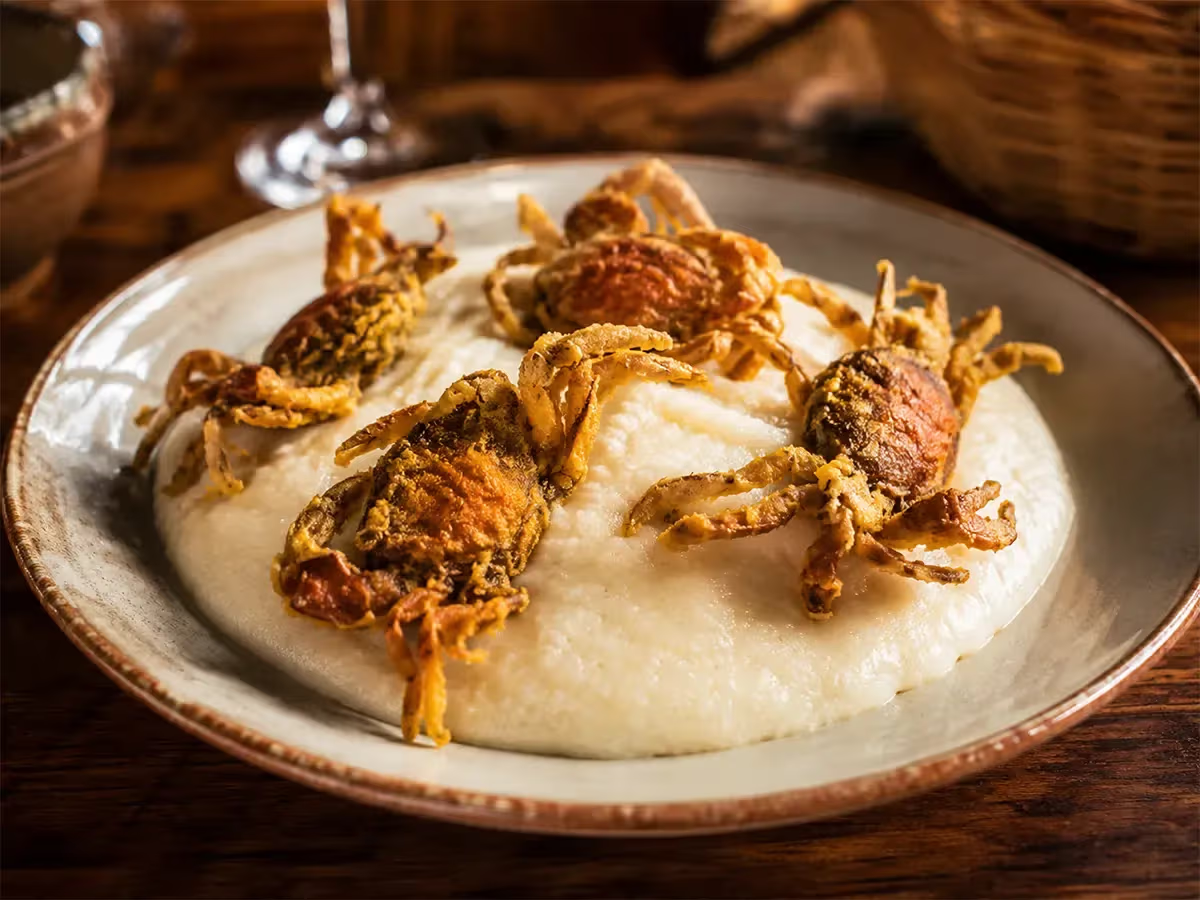
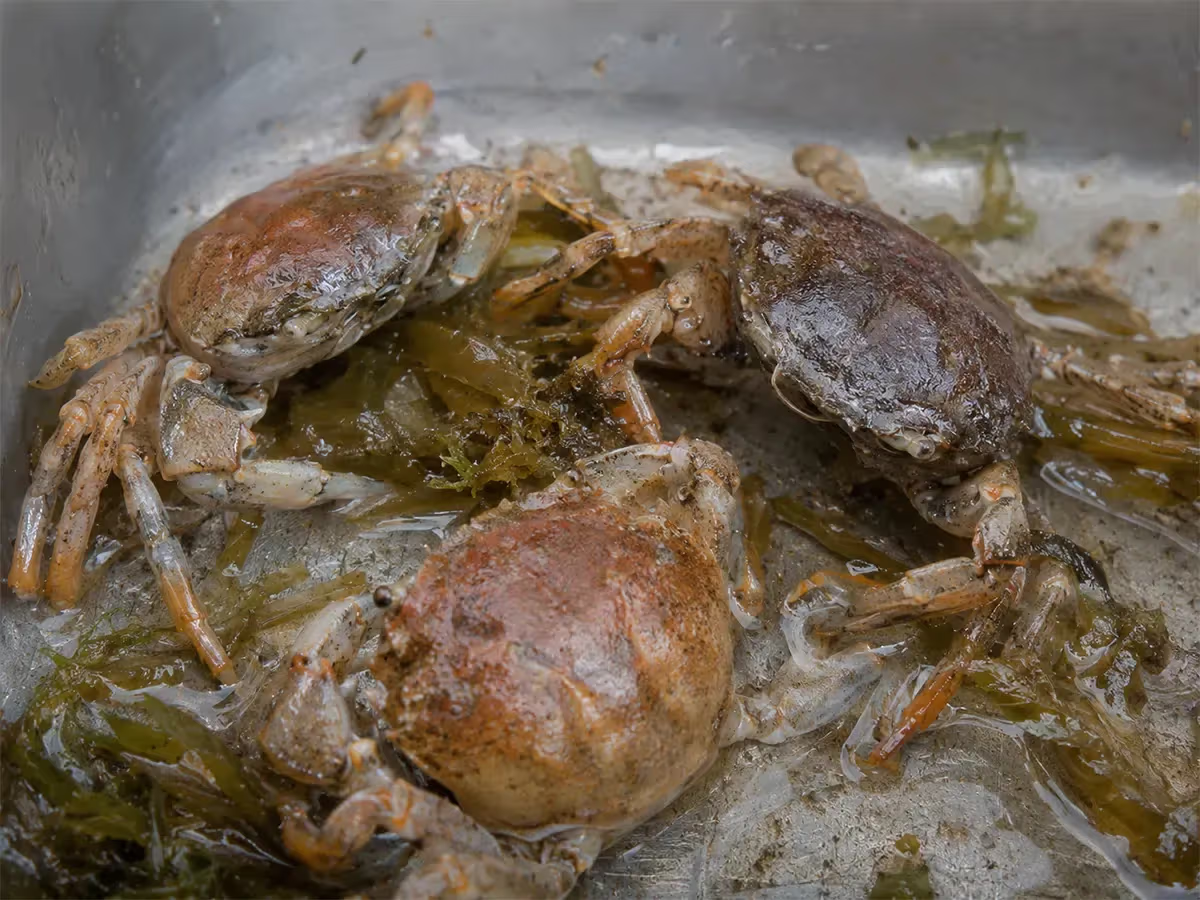
The moeche are the common crabs of the Venetian lagoon, the species is the Carcinus aestuarii, captured at a precise and very short moment in their biological cycle: the one in which, after the carapace moult, they are still without a hard shell and therefore soft, almost like gelatinous. The Venetian dialect name refers precisely to this yielding consistency, which makes them eaten whole, without discarding anything. Greenish grey in colour, with small dimensions that rarely exceed five centimetres, the moeche has an intense, slightly sweet marine flavour, with iodised notes that directly recall the wild character of the lagoon. In the kitchen they are traditionally fried in abundant oil, after marinating in beaten eggs that makes them puffy and further enriches them with flavour. The result is a crunchy bite on the outside and very soft on the inside, to be enjoyed as a cicchetto in Venetian bacari or as a second course. They are seasonal by definition: available twice a year, in autumn and spring, which makes them an eagerly awaited gastronomic event.
The fishing of moeche is an ancient practice, deeply rooted in Venetian lagoon culture for centuries. Knowledge of the biological cycles of the crab — and in particular of the exact moment of molting, is knowledge passed down from generation to generation among families of lagoon fishermen, the so-called moecanti. Without technological tools, these fishermen learned to recognize with the naked eye crabs close to molting, selecting them in the fishing valleys and in the casoni of the lagoons of Venice, Chioggia and Caorle. Over time, moeche fishing became structured as a specialized trade, distinct from ordinary fishing, which requires continuous attention and a direct relationship with the rhythms of the lagoon. The crabs are kept in wicker baskets or in special containers immersed in water, the so-called vieri, where the molting is awaited. The moment is fleeting: as soon as molting has occurred, the carapace re-hardens in a few hours, and the crab loses its commercial value. Moeche are today included in the list of Italian Traditional Agri-food Products (PAT) and enjoy recognition as a product linked to lagoon identity. Their presence in Venetian gastronomy is documented at least from the medieval age, when they appear in reports of the Rialto markets as a valued product reserved for the wealthiest tables.
The first indicator of authenticity is consistency: a true moeca is completely devoid of hard shell, yielding to the touch, without resistance. Any rigidity of the carapace indicates that the molt has not occurred or that the crab has already begun to harden again, compromising both edibility and flavor. The color of the body is generally grayish-green, with dark shades on the back. Authentic moeche from the Venetian lagoon come from recognized local fishermen and are sold live, never frozen, which guarantees the essential freshness for this product. Purchasing them from intermediaries without direct connection to the lagoon moecanti exposes you to the risk of receiving improperly selected crabs. In Venetian fish markets, particularly at the Rialto market, seasonality is the first signal of quality: if they are offered outside the autumn and spring windows, it is worth asking about the provenance carefully.
Moeche, consumed whole including the soft shell, offer a good level of protein intake, typical of crustaceans, with a relatively low fat content and a significant presence of minerals such as zinc, iron and calcium, the latter favored precisely by the consumption of the carapace. They are rich in iodine and polyunsaturated omega-3 fatty acids. The caloric intake is moderate in boiled or raw form, but increases significantly in traditional fried preparation. They represent a nutritious and protein-rich food, suitable for a varied diet.
Moeche are a live product at the time of purchase and require consumption almost immediately. If not cooked the same day, they can be stored for a few hours in the refrigerator at low temperature in an aerated container with a damp cloth, without stagnant water. They are not suitable for prolonged storage or freezing raw, which would irreparably compromise their structure. Once cooked, they keep for a few hours but it is preferable to consume them just fried.
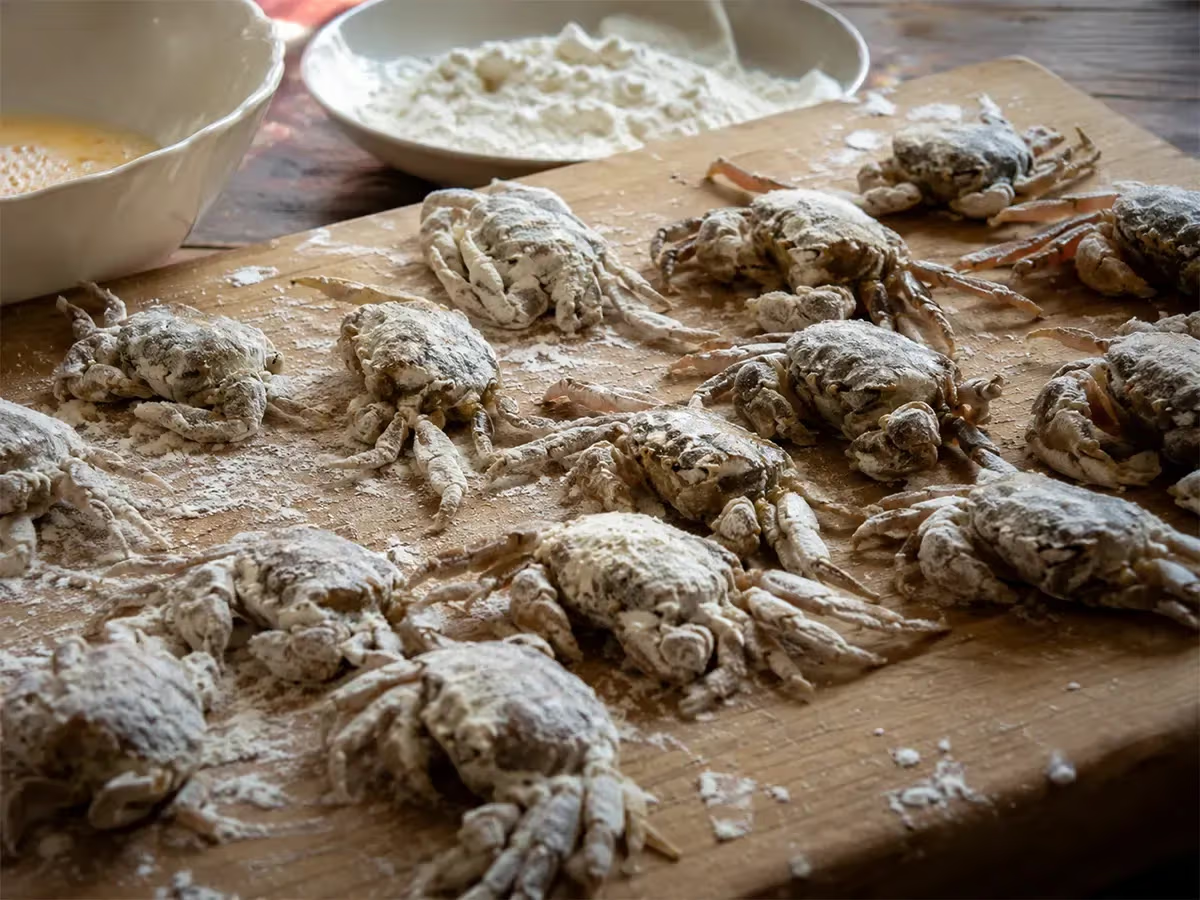
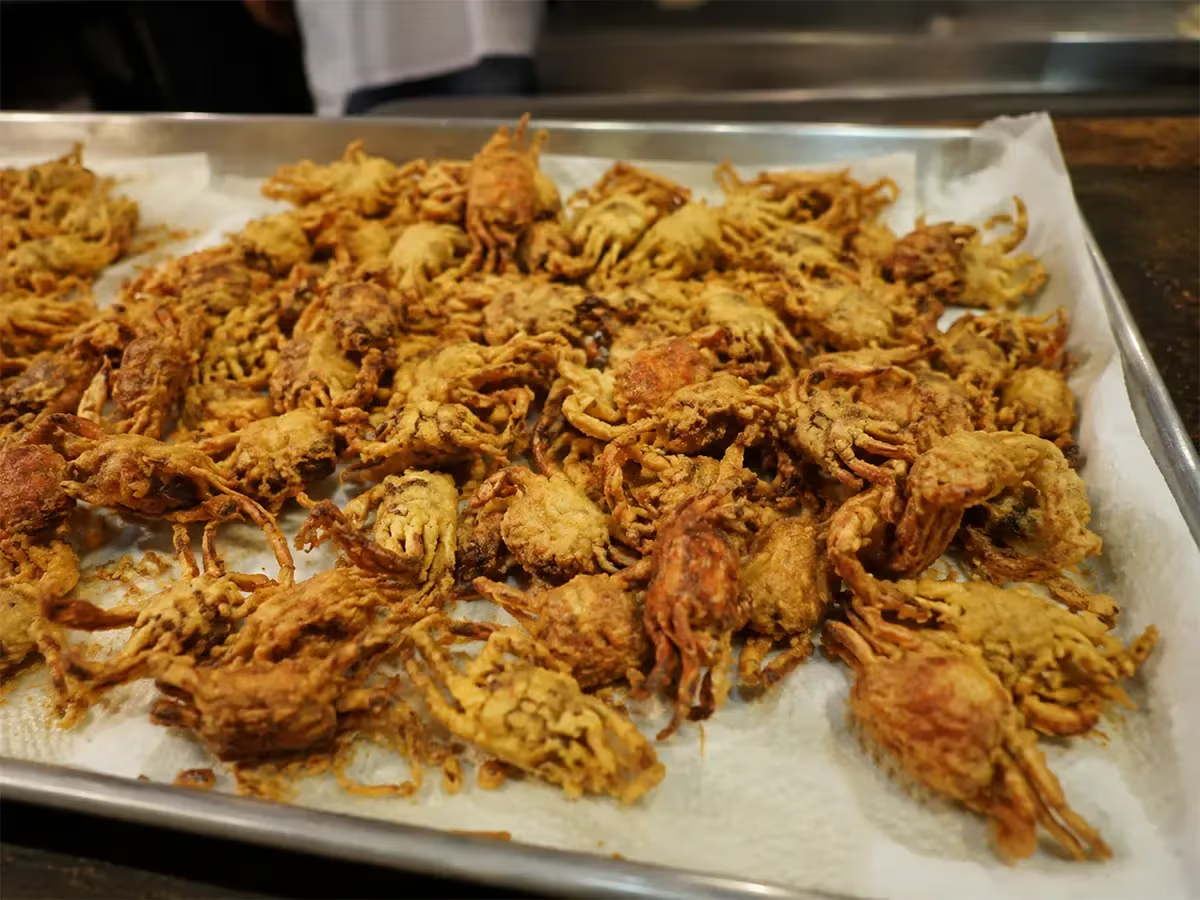
The most traditional preparation involves frying in abundant oil after leaving the live moeche in beaten eggs for a few hours, so as to enrich them from the inside. They are served piping hot, just drained, with a dusting of salt. In Venetian bacari they are offered as cicchetti, to be accompanied by an ombra of white wine. There are also preparations in umido or simply boiled, but frying remains the most widespread and iconic form. They are consumed whole, without removing anything.
The ideal wine to accompany fried moeche is a dry white wine with good acidity and salinity: wines from the DOC Lison-Pramaggiore or a Pinot Grigio delle Venezie pair naturally, supporting the iodine salinity without overpowering it. A young Soave, with its light minerality, also finds good balance with the seafood flavor of the crab.
In Venetian bacari, moeche are often served with polenta bianca, which balances the richness of the fried dish with its neutrality. Pairing with clear craft beer, in pilsner or lager style, is increasingly popular among younger Venetians. Red tannic wines should be avoided, as they would conflict with the delicate seafood character of the product.
Moeche fritte, the recipe par excellence of Venetian tradition. Live moeche are immersed in beaten eggs and left to rest for hours, then fried in boiling oil until golden. The result is a bite that is crispy on the outside and creamy inside, to be served immediately as a main course or cicchetto. Moeche in umido, the older and more homestyle variant, in which crabs are browned in oil with garlic and parsley, deglazed with white wine and cooked briefly. Less widespread than the fried version, it nonetheless preserves a more direct and less elaborate flavor, appreciated in fishing families. Moeche con polenta, classic pairing of lagoon cuisine: the fried or stewed moeche are served on a base of soft white polenta, typical of the Veneto, which absorbs the cooking juices and creates a complete dish rooted in tradition.
Moeche embody a piece of Venetian identity that is difficult to transfer elsewhere, because their meaning is inseparable from the landscape of the lagoon, from its slow rhythms, from the knowledge of the moeche fishermen. For many Venetian families, the appearance of moeche at the market is a precise seasonal signal, almost a ritual: it marks autumn or spring with a certainty that no calendar can fully capture. In the bacari, having an ombra while facing a plate of fried moeche is a gesture of belonging, more than a simple consumption. It is one of the ways in which Venice still recognizes itself as a lagoon city, not just a city of water.
Moeche do not have a festival dedicated to them in the strict sense, but their presence marks the Venetian gastronomic calendar in a recognizable way. In the autumn and spring months, when the molting season opens up the availability of the product, the bacari of Venice and the fish markets of Rialto and Chioggia register particular attention around this ingredient. The Fish Festival of Chioggia and various lagoon food and wine events include them among the symbolic products. The Rialto market remains the reference place for purchase for anyone wanting to find them fresh and of certain origin.