
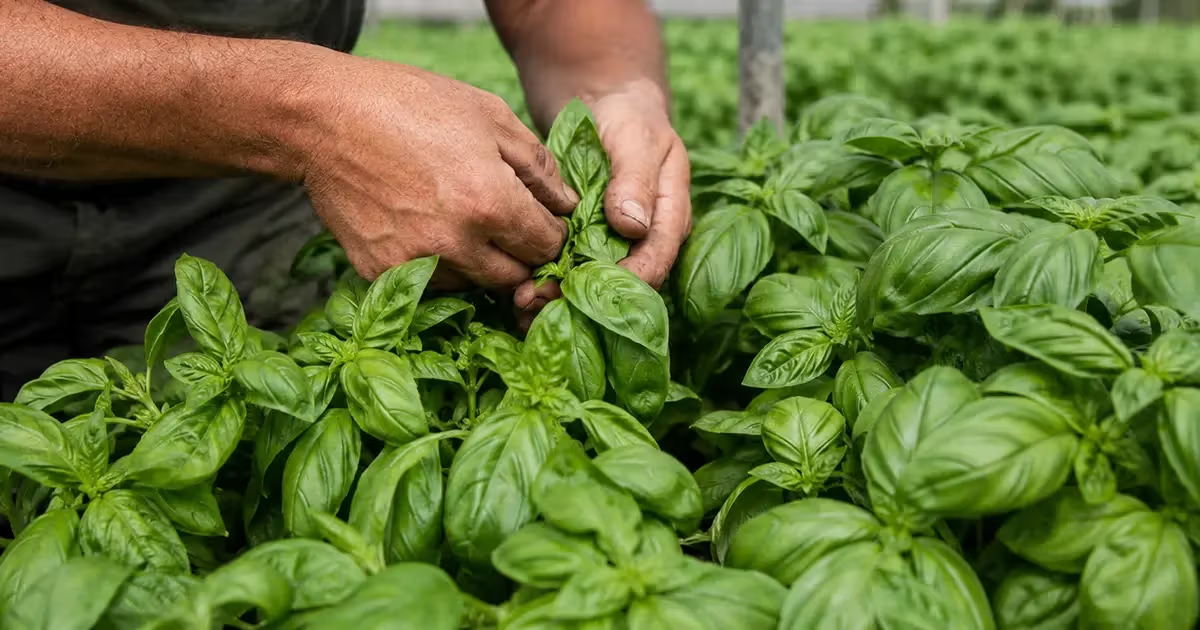
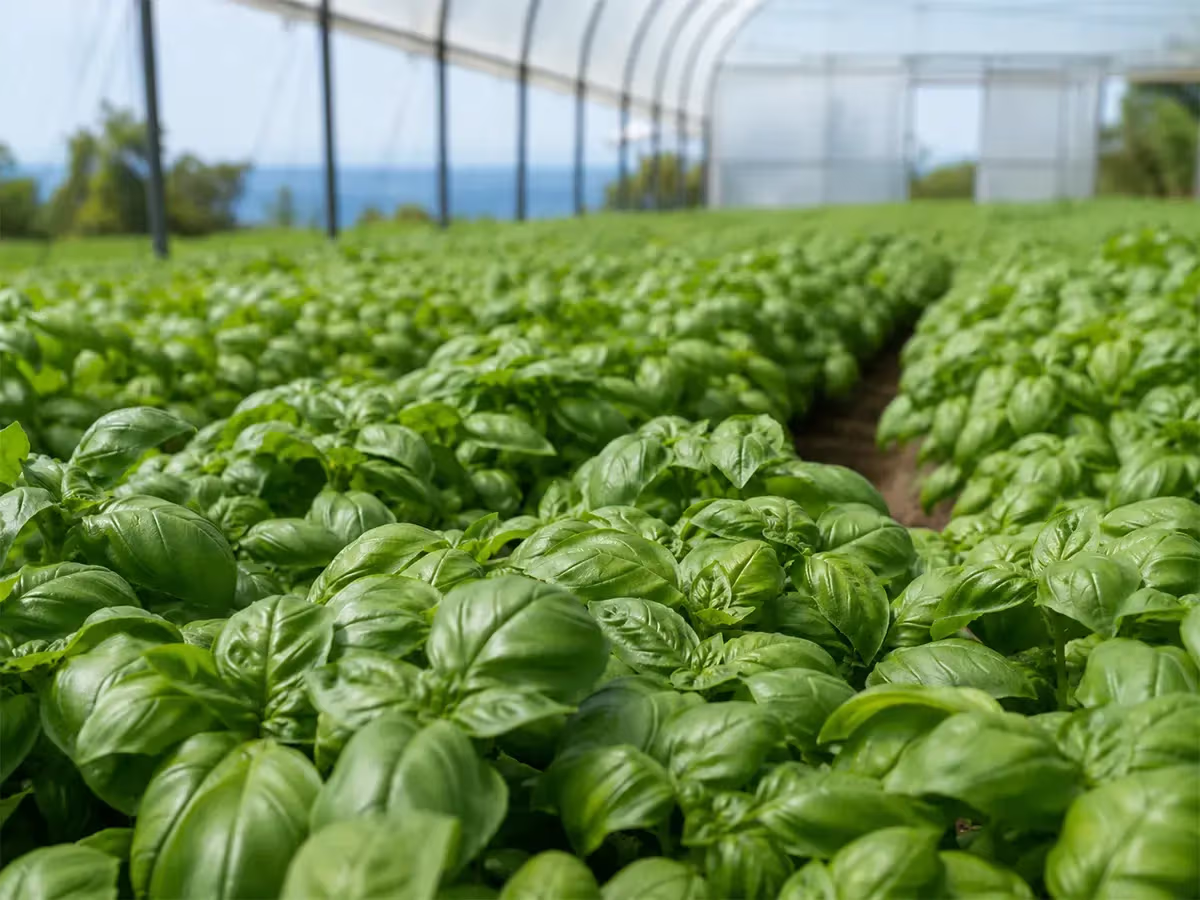
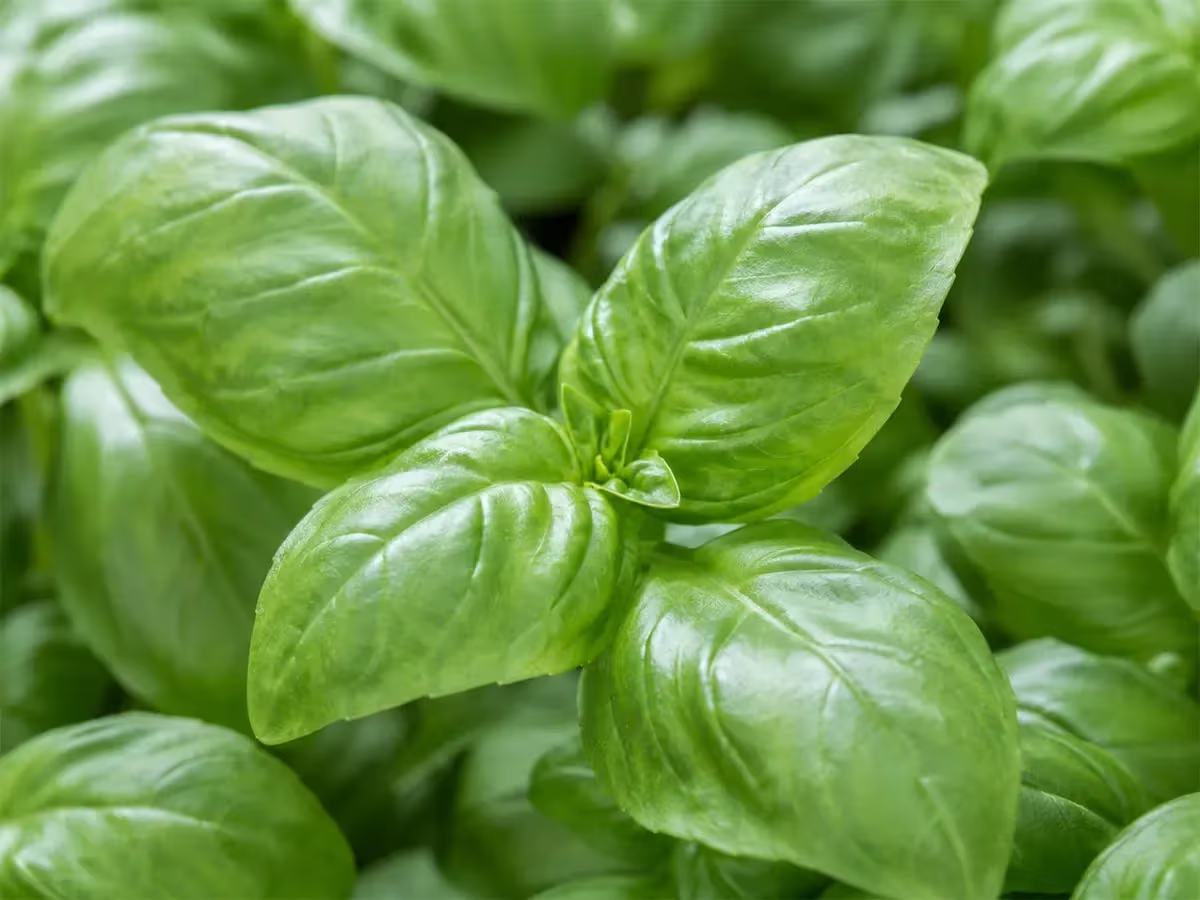
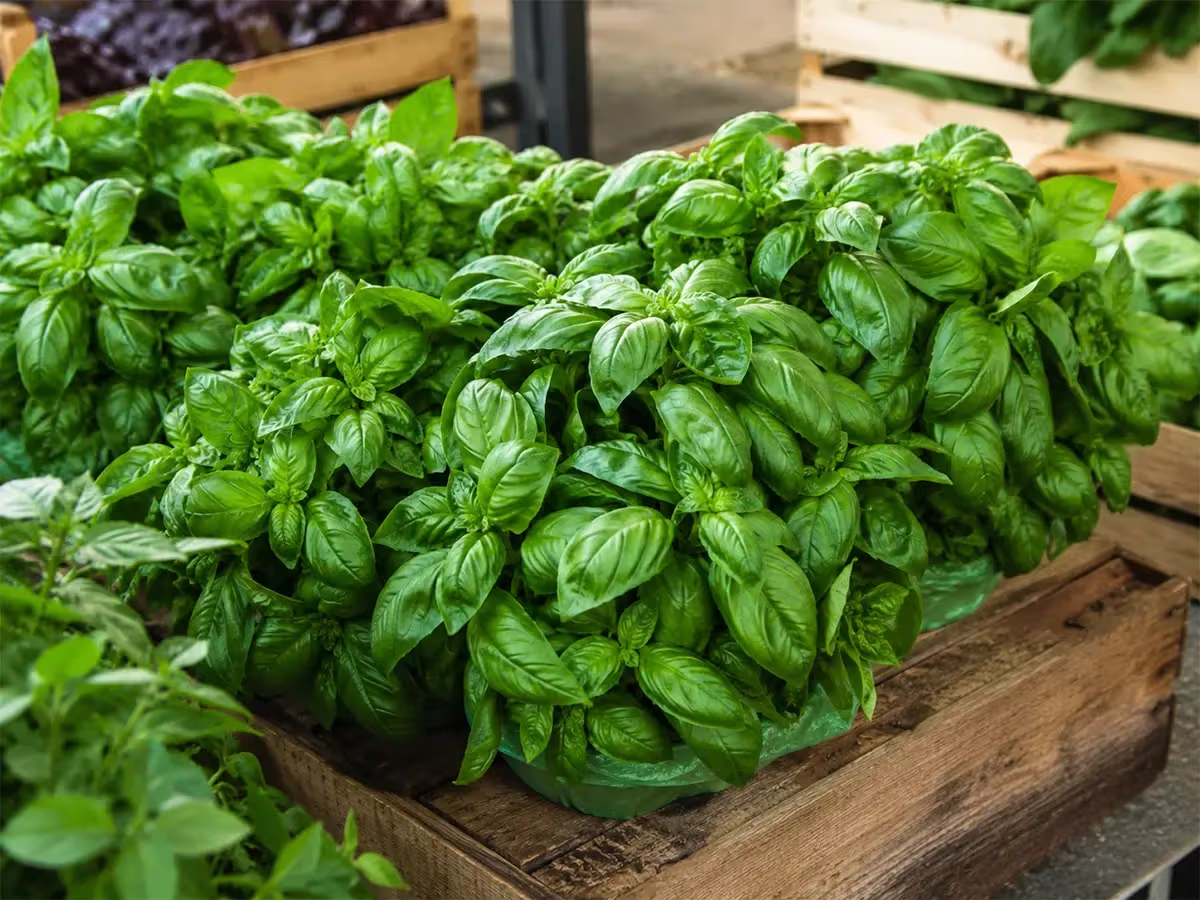
DOP Genovese Basil is a variety of basil (Ocimum basilicum L.) grown in Liguria, mainly in the province of Genoa. It is distinguished from other varieties by its small or medium-sized leaves, oval in shape and slightly convex, with a smooth or slightly bubbly surface, bright green in colour.
The aroma is delicate and persistent, devoid of the minty or anesthetized notes that characterize non-native varieties, with a subtle and almost herbaceous floral scent.
The texture of the leaves is tender and never leathery.
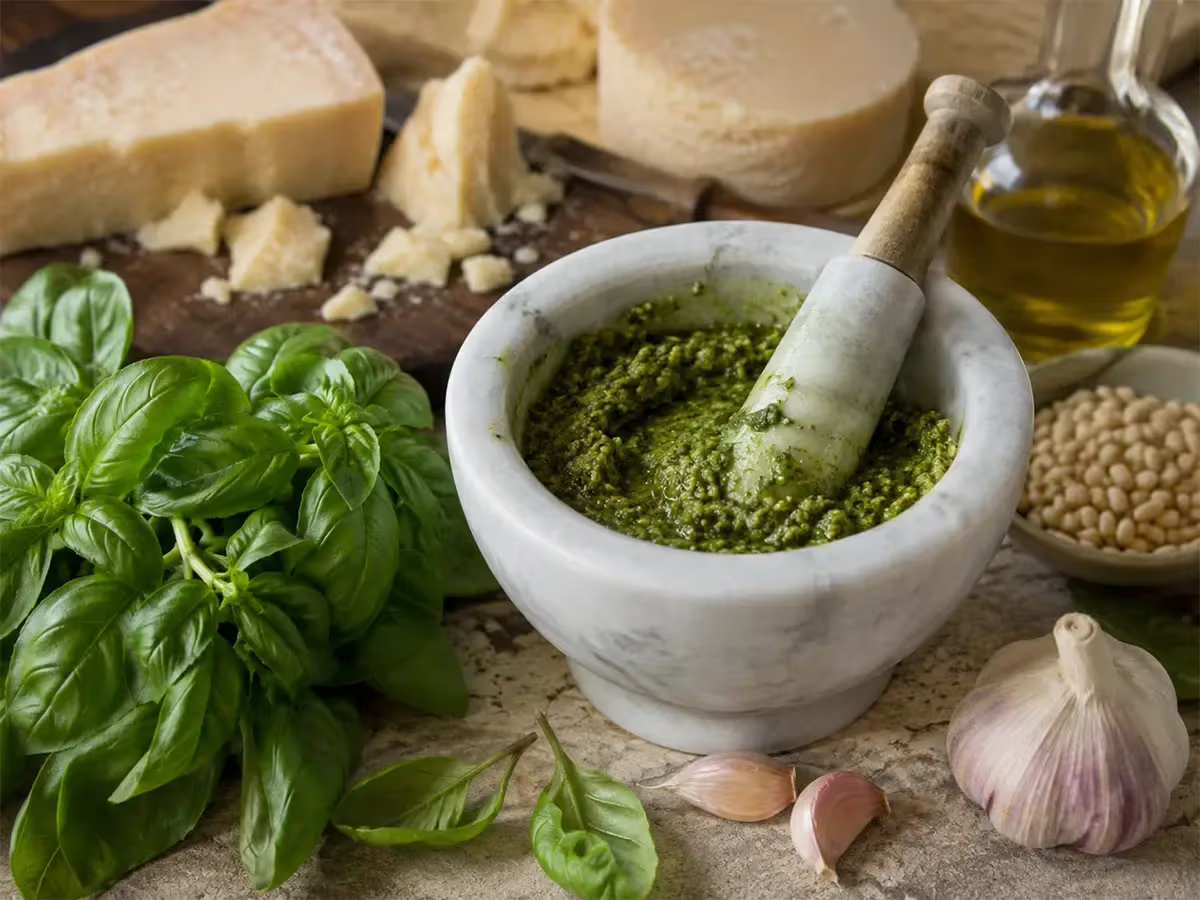
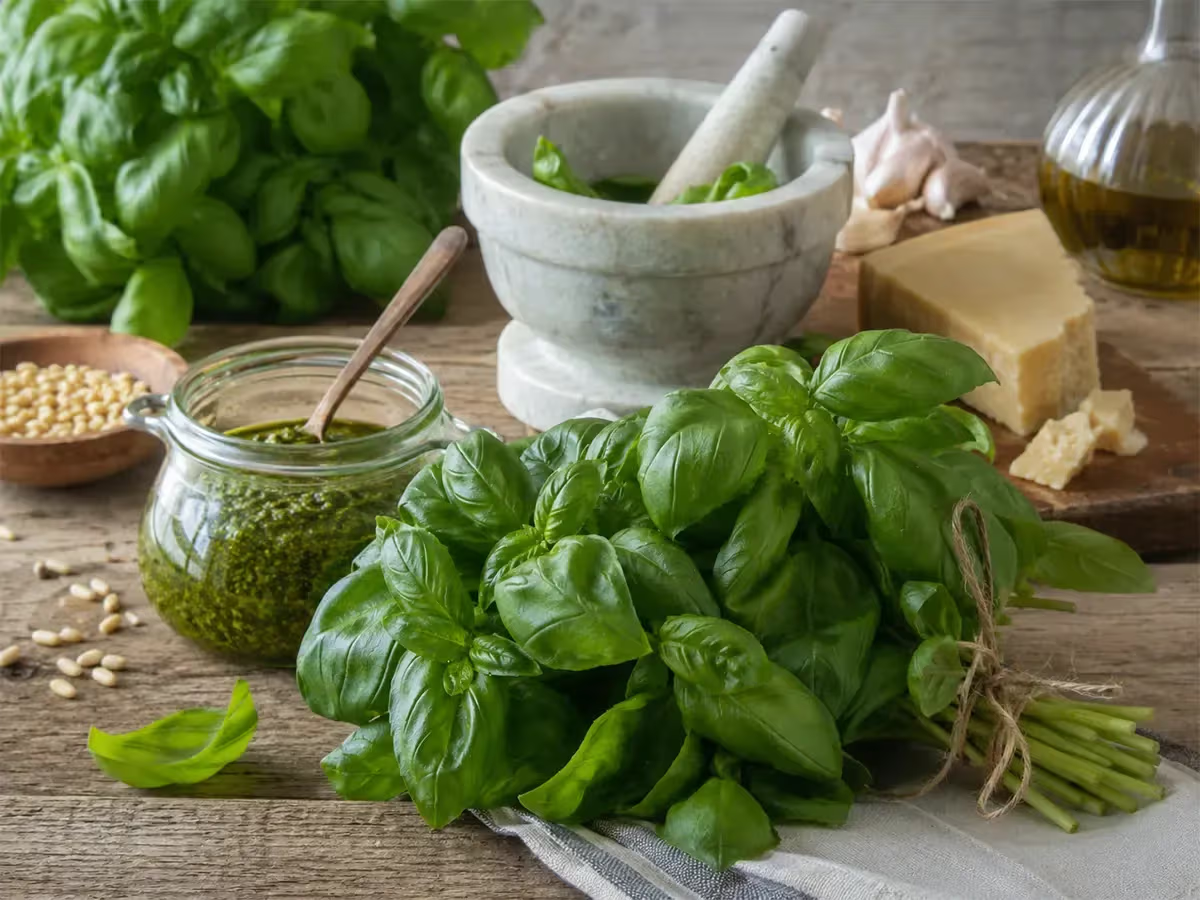
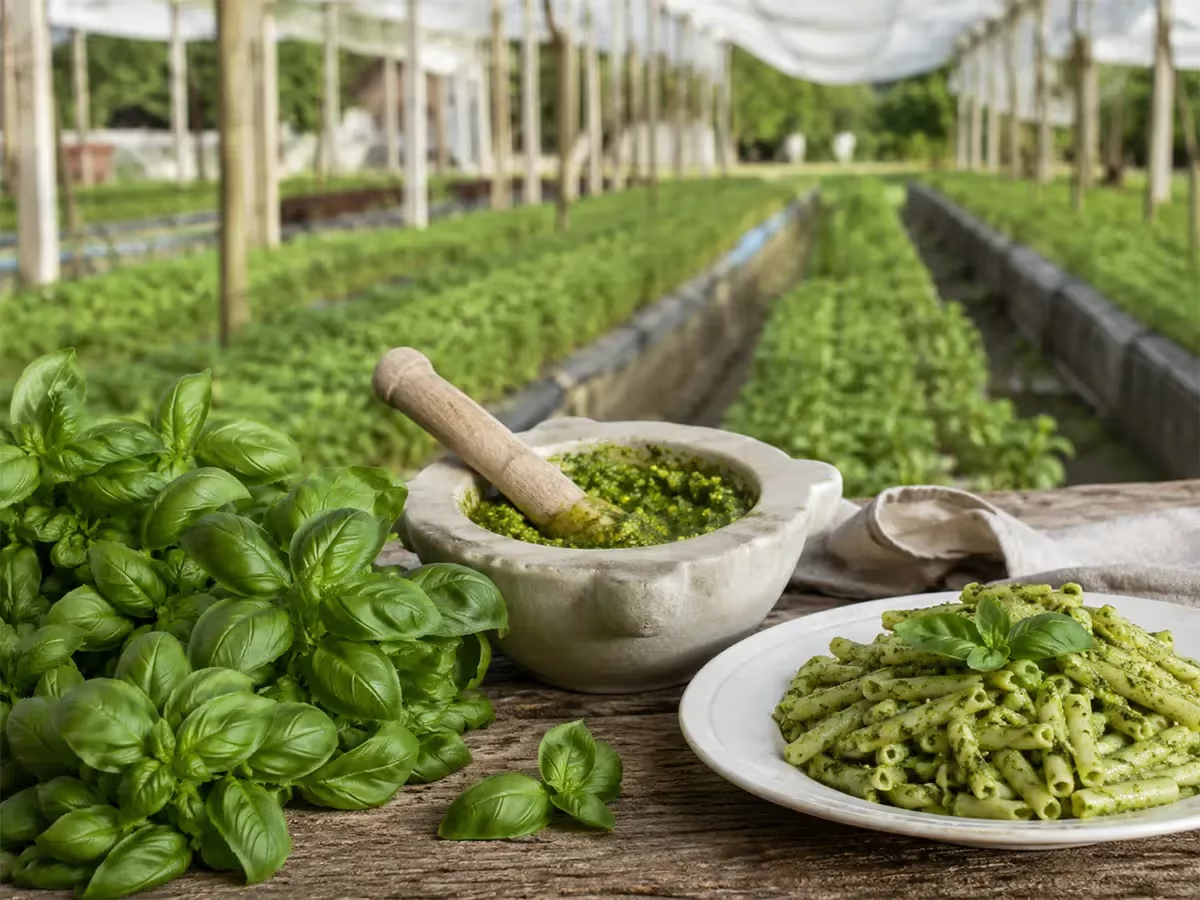
In the kitchen, the Genoese Basil PDO is the essential ingredient of the Genoese pesto, an emblematic preparation of the Ligurian tradition obtained by crushing the leaves in the mortar with extra virgin olive oil, Parmigiano Reggiano or Grana Padano, Pecorino, pine nuts and garlic. It is also used fresh on salads, bruschetta and fish dishes, or as a flavouring in tomato-based sauces.
Its use raw, without cooking, is what best enhances its organoleptic qualities.
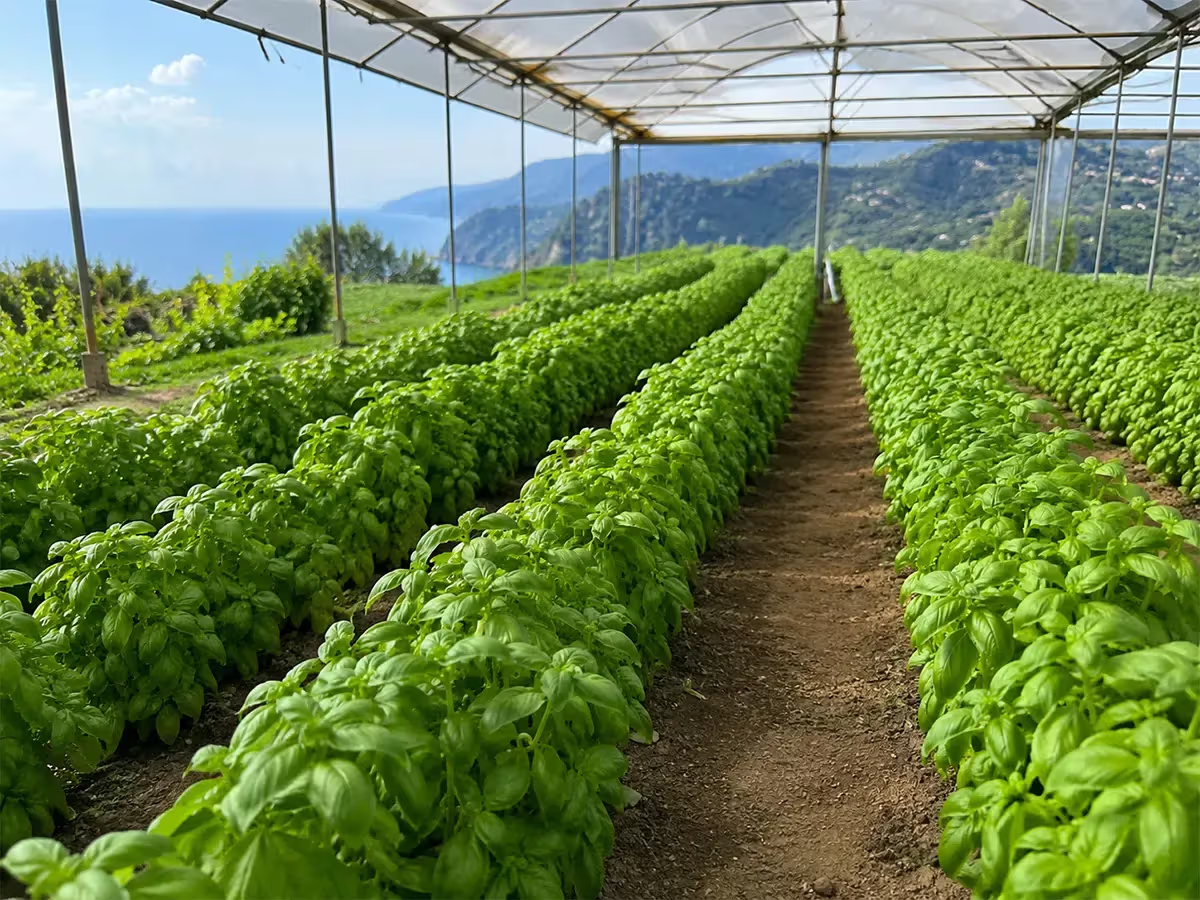
Basil cultivation in Liguria has been documented at least since the nineteenth century, when the greenhouses of Val Polcevera and the highlands around Genoa — in particular the areas of Pra', Voltri and Sestri Ponente — became areas of specialised production thanks to the favourable microclimate, characterised by mild temperatures, high brightness and constant ventilation.
These environmental factors, combined with cultivation techniques handed down from generation to generation, have helped define the peculiar organoleptic characteristics of the local variety.
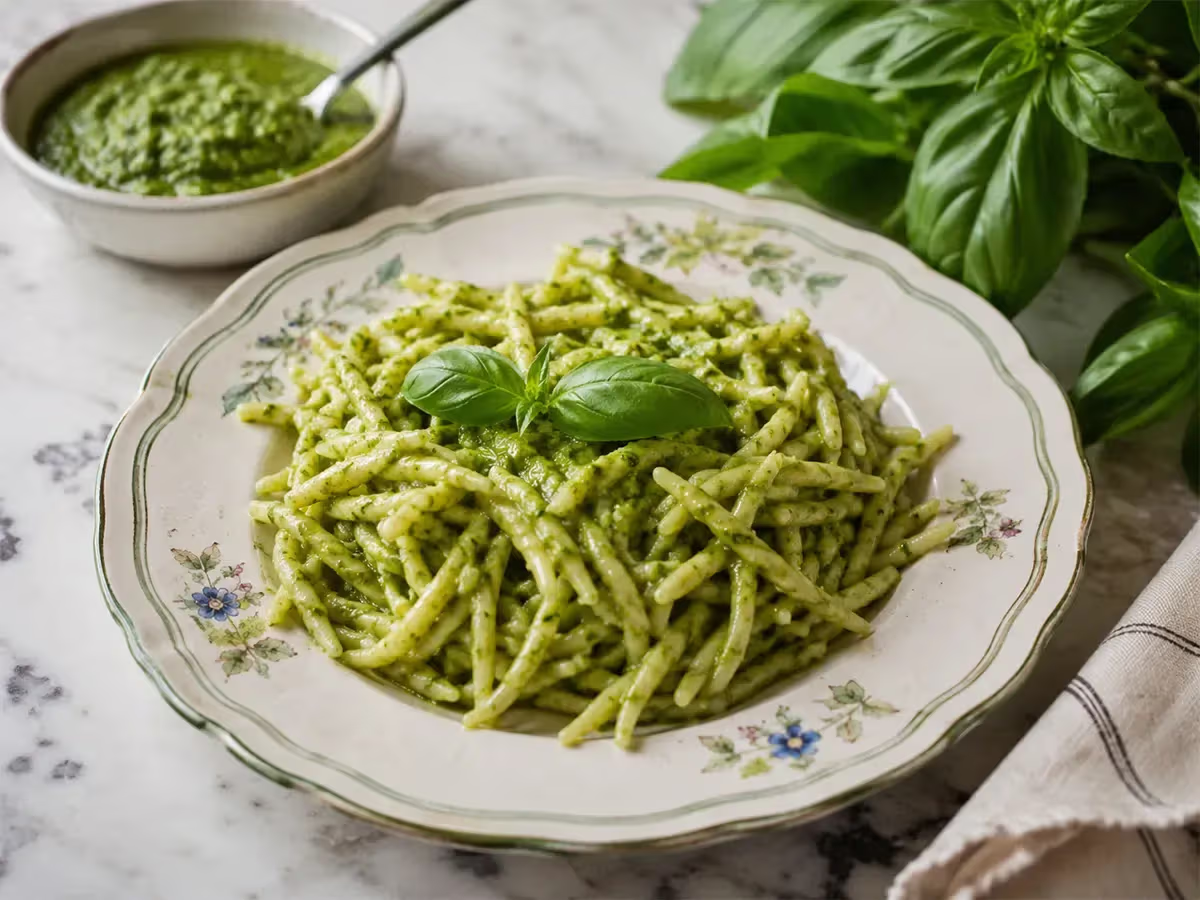
The link with the Genoese gastronomic tradition is very close: basil is a fundamental component of pesto, the sauce that has accompanied trophies, advantageous trenettes and corzetti for centuries. The spread of pesto as a codified preparation dates back to at least the 19th century, with Genoese basil as an indispensable and non-replaceable element.
The recognition of the Protected Designation of Origin has been obtained in Europe, with a production specification that regulates the geographical area of cultivation, the agronomic methods allowed — excluding production in open ground out of season with non-traditional intensive methods — and the morphological and organoleptic characteristics of the product.
The specification protects in particular the absence of menthol notes in the aroma, considered a fundamental qualitative discriminator.
Production under PDO today represents an important identity element for the Ligurian agricultural economy.
The PDO Genoese Basil is recognized through a set of morphological and sensory characteristics defined by the specification:
erect bearing, slender stems, close leaves
The certified product is marketed with the PDO mark and the European logo affixed to the packaging or label. To distinguish the authentic product, it is advisable to check the presence of the name of the production area and the number of the registered manufacturer/packer. Perfume is the most immediate diagnostic signal: a pungent, mentholated or camphorated aroma indicates a different variety from the protected one.
Fresh basil is a low-calorie food, with a very high water content. It provides vitamin K in a significant amount, useful for blood clotting, together with discrete concentrations of vitamin A, vitamin C and folate. Among the minerals are calcium, iron and magnesium, present to an appreciable extent with respect to the weight of the portion.
The phytochemical profile includes volatile compounds such as linalool and eugenol, which are traditionally attributed with an antioxidant and anti-inflammatory function, although the amounts usually consumed are modest.
It is easily digested and has no contraindications for most people.
Fresh basil should be stored at room temperature, away from sources of direct cold. The refrigerator tends to blacken the leaves quickly and compromise their aroma. The most effective method is to keep the bunch with the stems immersed in a glass of water, as you would with a cut flower, away from direct sunlight. In these conditions it remains in good condition for two or three days.
Once separated from the stem, the basil deteriorates within a few hours and should be used immediately.
DOP Genoese Basil best expresses its qualities raw, cold added to finished dishes or incorporated into preparations that do not require cooking. The heat, even moderate, quickly disperses the volatile compounds responsible for the characteristic aroma. When entering a cooked tomato-based sauce, it is good practice to add the leaves only over a low heat. In traditional Genoese pesto, it is beaten in the mortar without any source of heat.
The seasons of greatest aromatic expression are spring and early summer, when the plants grow in full brightness without yet undergoing the heat stress of summer.
The DOP Genoese Basil finds its most natural oenological pairing with Ligurian white wines, in particular Vermentino and Pigato, which share with it a light aromatic structure and a freshness that does not overwhelm. The Vernaccia di San Gimignano and some Soaves also behave well, especially when the basil is the protagonist of a pesto on pasta.
Out of the bottle, basil is combined with buffalo mozzarella and tomatoes in their simplest version, with freshly greased Genoese focaccia, with fresh soft cheeses. Paired with fish, particularly delicately prepared sea bass and sea bream, it offers a herbaceous note that balances the uncoated flavour. With roasted pine nuts and Taggiasca olives, it makes up a triptych of typically Ligurian flavours.
The most representative preparation of Ligurian cuisine. The leaves of Basil Genovese PDO are crushed in marble mortar with a clove of garlic, pine nuts, coarse salt, Parmigiano Reggiano, Sardinian Pecorino and Ligurian extra virgin olive oil. The gesture of beating, circular and patient, emulsifies the ingredients without heating them, preserving the bright green colour and floral aroma of the basil. It is used to season trophies, advantageous braids, corzetti or as a base for vegetable soup with rice.
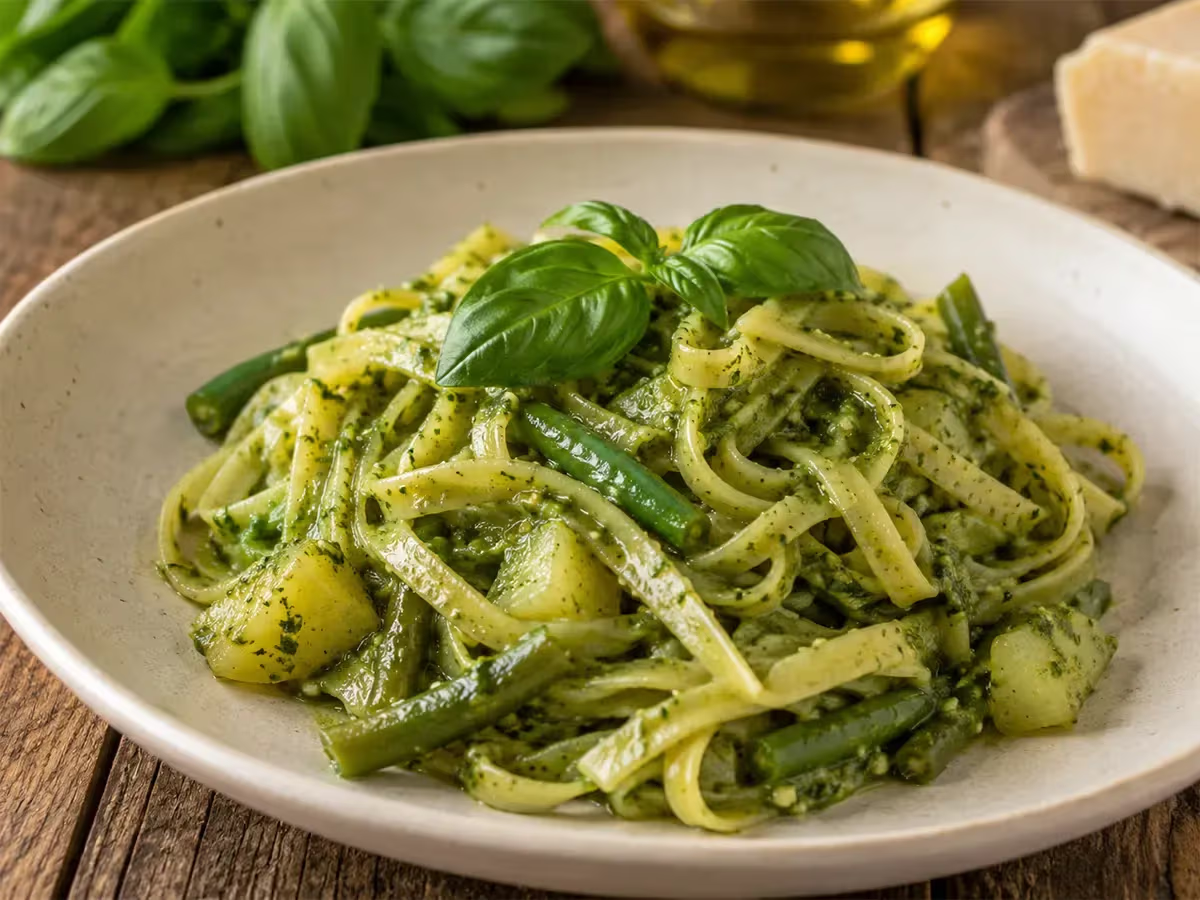
Classic and complete variant of the pesto dish, in which the pasta is cooked together with green beans and potatoes. The three elements are drained together and seasoned with raw pesto, stretched with a few tablespoons of cooking water. The potato absorbs the seasoning and balances the consistency of the dish. It is the most traditional form with which pesto appears on the daily Genoese table.
A dish of the oldest traditional Ligurian cuisine, based on boiled fish, vegetables, sailor's biscuits and a green sauce in which fresh basil is a fundamental ingredient along with parsley, capers, anchovies and eggs. The preparation is laborious and festive, historically linked to the meager cuisine of the days of abstinence, and today considered one of the most representative dishes of the Genoese gastronomic identity.
In Genoa, basil is not simply an aromatic herb: it is a cultural marker. Its presence in a kitchen, the fragrance rising from the mortar, the green color of freshly made pesto are elements that Genoese people recognize as their own before even thinking about it. The practice of keeping a pot of basil on the windowsill, in the houses of historic neighborhoods like in the caruggi of the center, is as widespread as cultivating it in greenhouses in the productive valleys.
The ritual of homemade pesto, with the marble mortar passed down through generations, is still practiced in Genoese families on significant occasions. It is not nostalgia: it is a gesture that reaffirms a sense of belonging. The choice to use local basil, with its discreet and recognizable fragrance, rather than cheaper or more intense varieties, is considered by Genoese people a matter of respect toward the dish and toward those who invented it.
Among the events most directly linked to the Genoese PDO Basil is the World Pesto al Mortaio Championship, which is held in Genoa every two years and attracts participants from all over Italy and abroad. The competition enhances the traditional technique of beating in the mortar and the use of certified ingredients, PDO basil in the first place.
Weekly markets and local fairs in historic production areas, such as Val Polcevera and the Genoese Levante, regularly host stalls of aromatic herbs and typical products in which basil is prominently present, especially in the months of May and June.


