
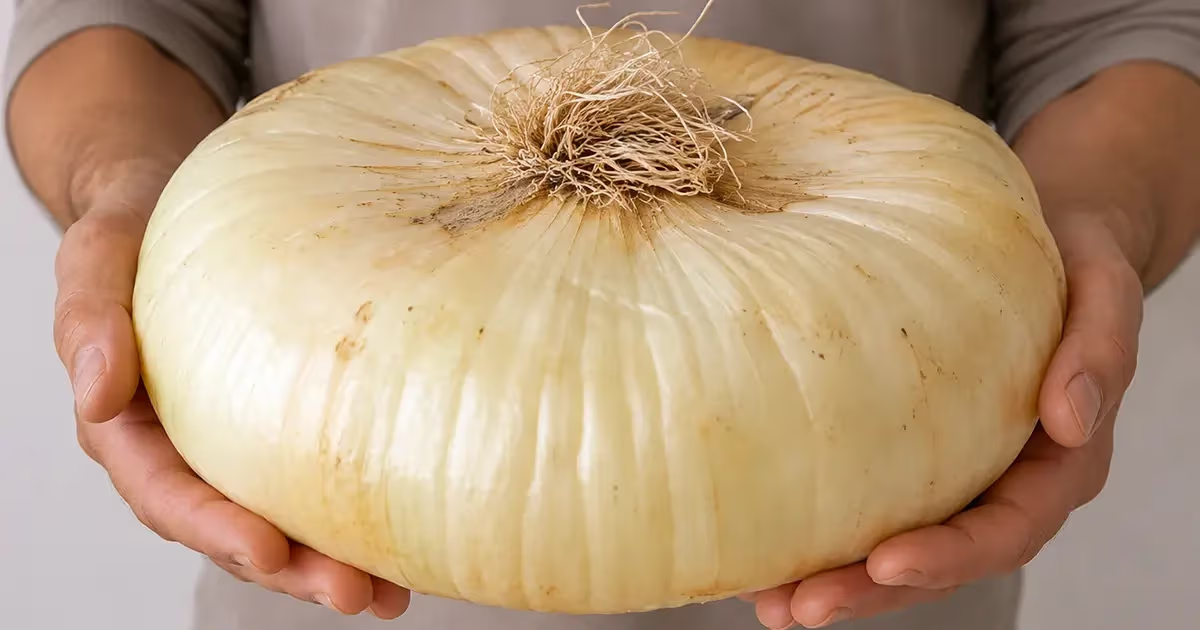
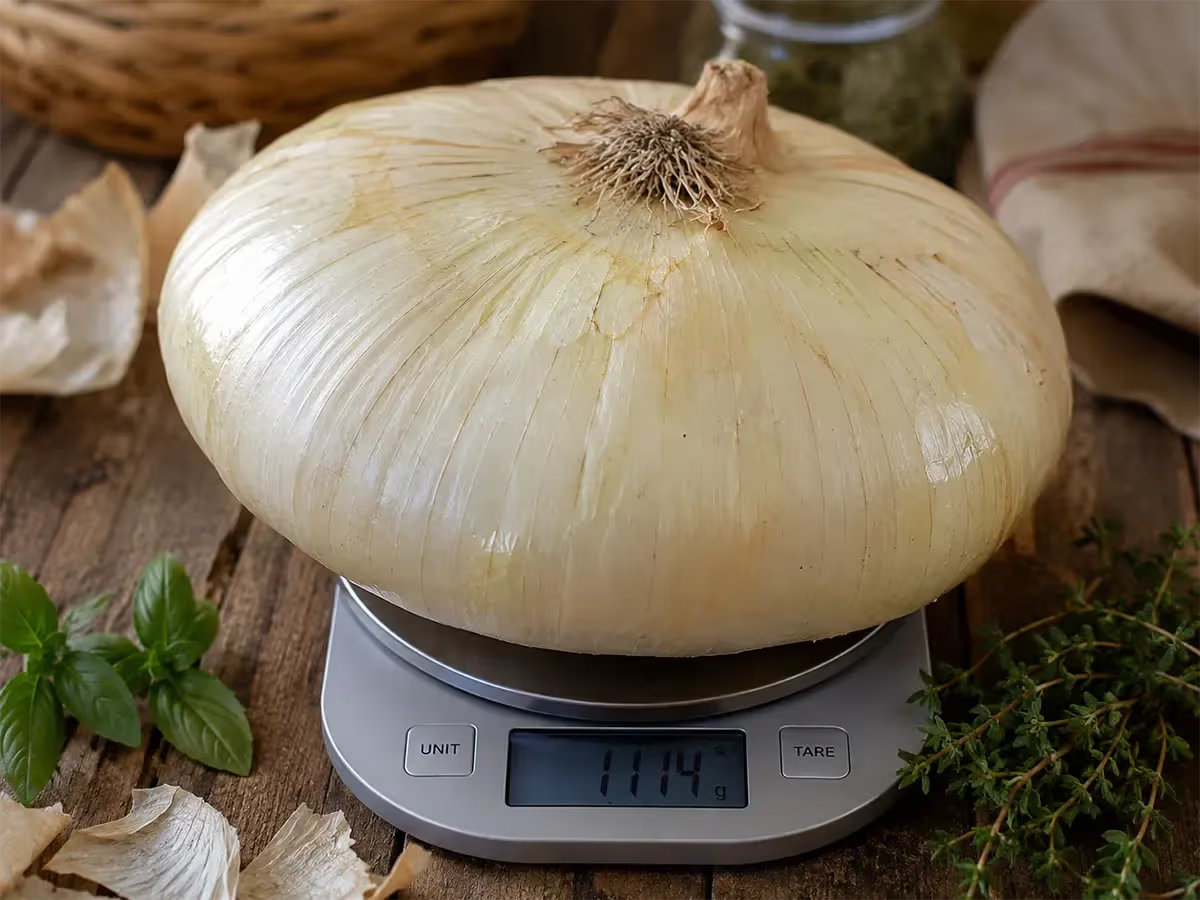
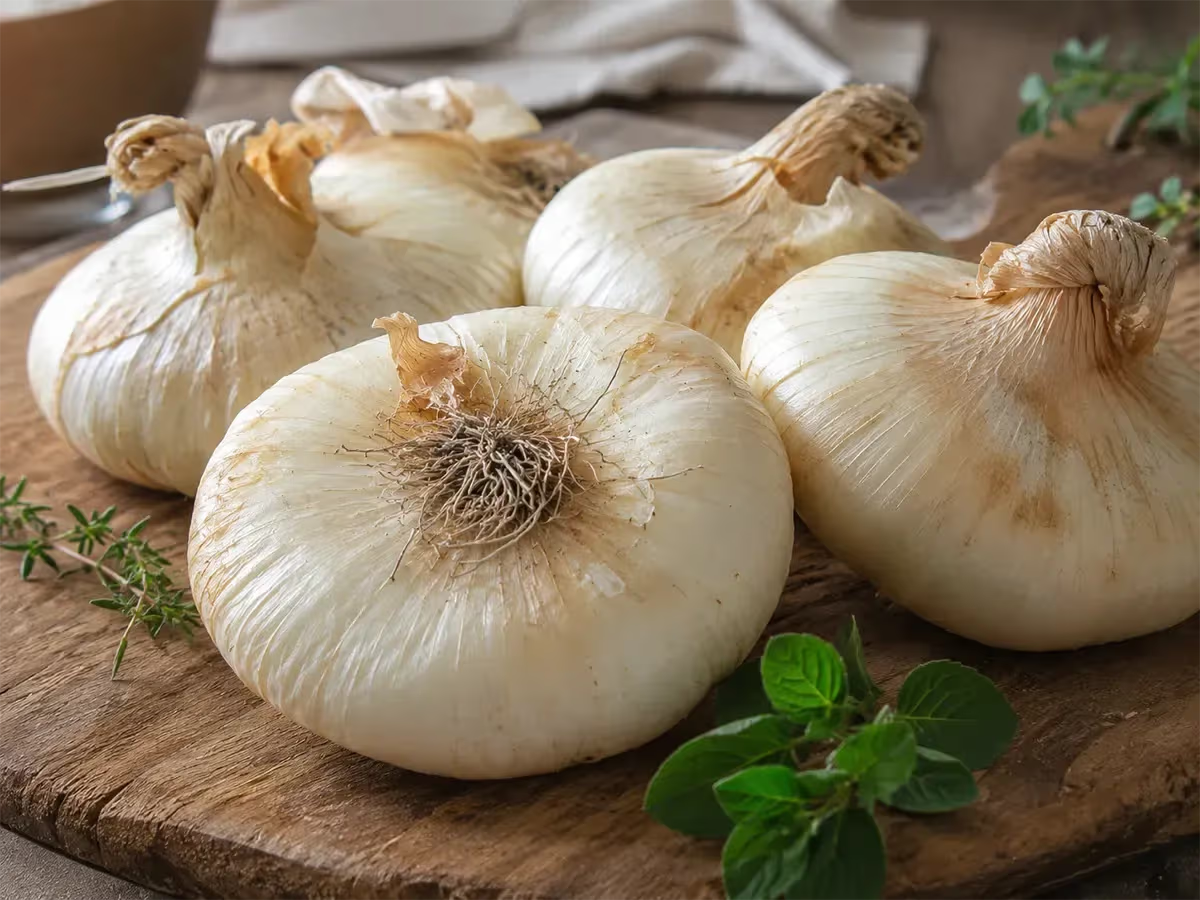
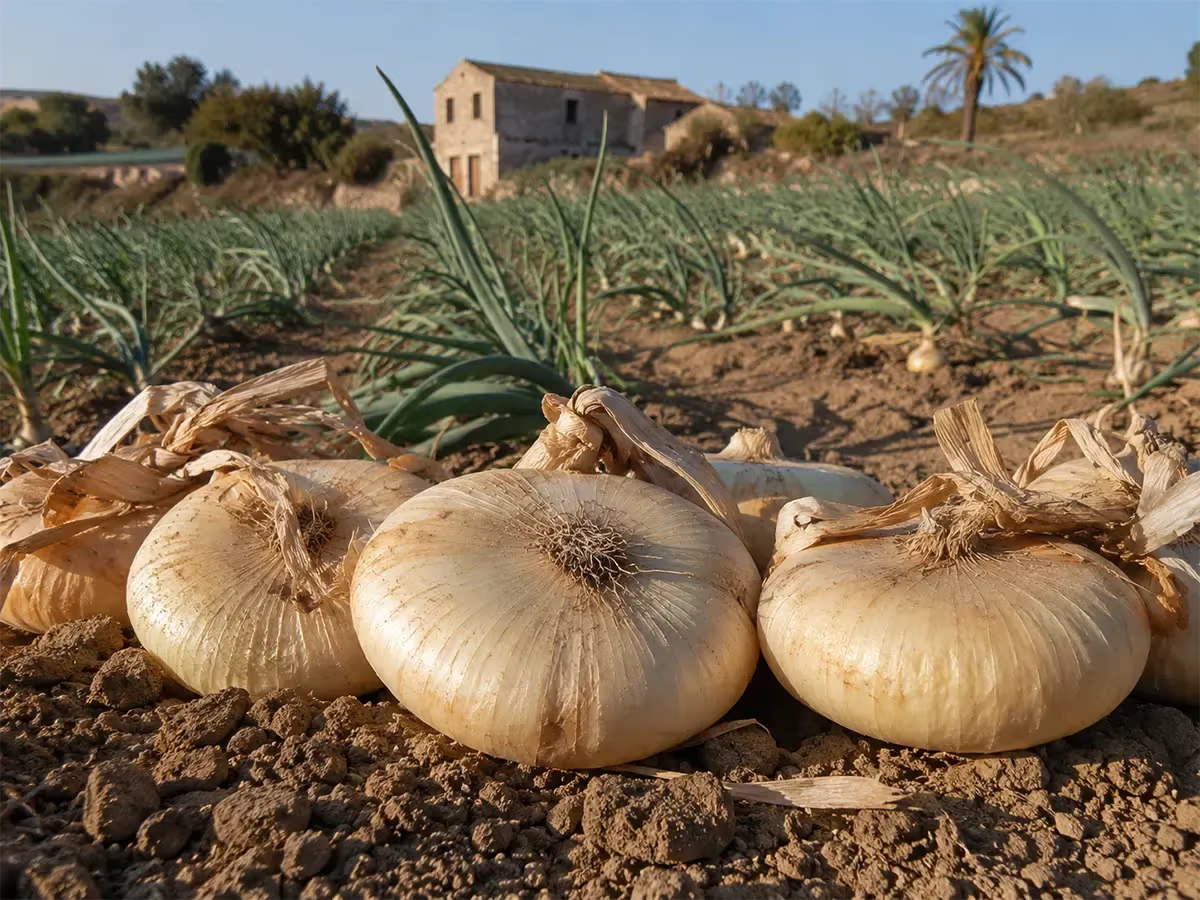
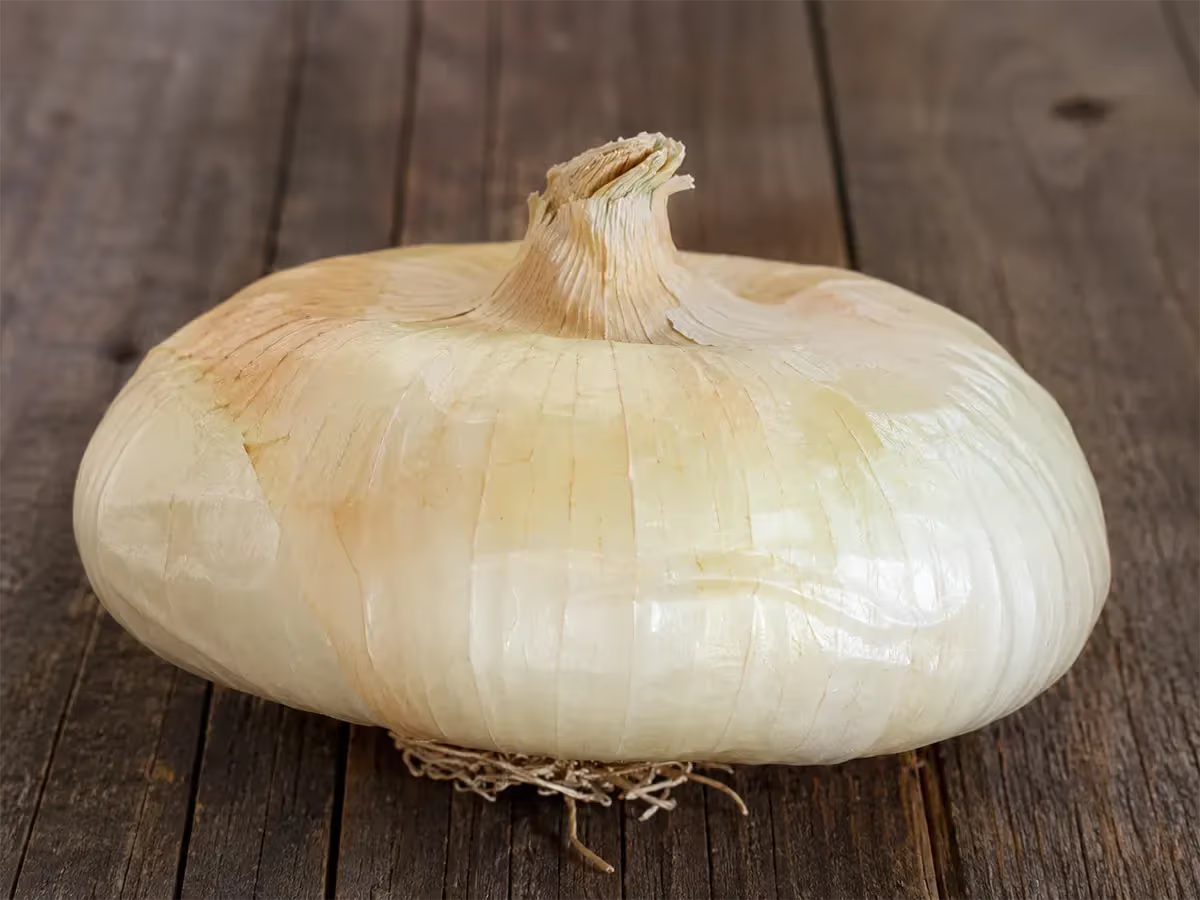
The Cipolla di Giarratana is a vegetable of remarkable size, cultivated on the slopes of the Iblean Mountains, in the territory of the municipality of Giarratana, in the province of Ragusa. It is a local variety with a flattened shape and straw-yellow color, with thin and almost translucent outer layers. A single bulb can easily weigh over one kilogram, sometimes reaching sizes that surprise those encountering it for the first time.
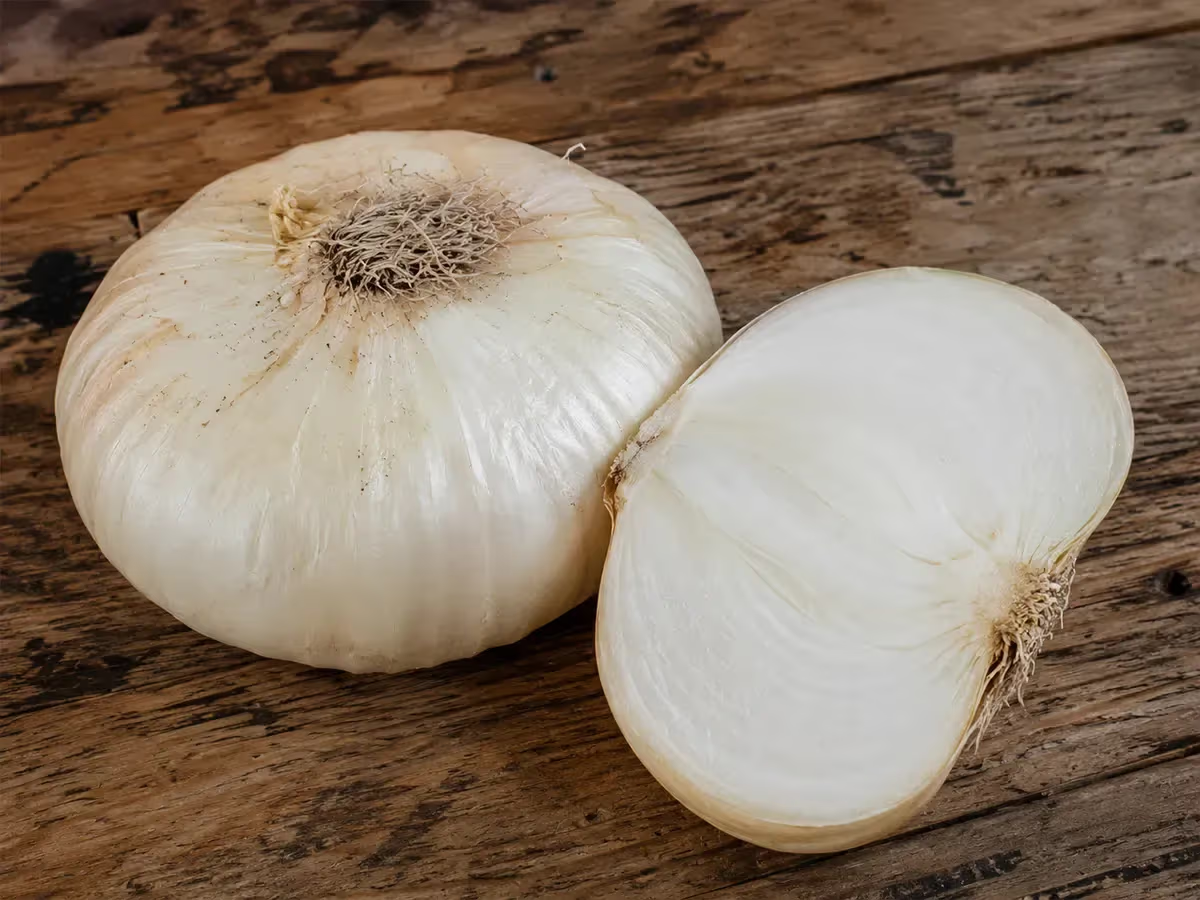
The flavor is sweet and delicate, with very mild pungency that makes it pleasant even when eaten raw. The flesh is white, tender, and rich in juice. In the kitchen it finds wide use both raw, in salads and dressings, and cooked, where it develops an intense sweetness particularly suited for soffritto, baked side dishes, soups, and sauces. Its tenderness makes it ideal also for stuffings and filled preparations.
On the clayey and chalky soils of the Monti Iblei, at an altitude of around seven hundred metres, the farmers of Giarratana have cultivated this onion for generations. The environmental conditions of the Iblea region, with temperature fluctuations between day and night and deep, well-drained soils, have selected over time a local ecotype capable of developing bulbs of unusual proportions and a flavour difficult to replicate elsewhere.
Cultivation remained for decades tied to small family farming, with techniques transmitted orally and practised on plots of limited size. Sowing takes place in autumn, and harvesting is concentrated between July and August, when the bulbs are extracted from the ground and left to dry in the sun before storage. Over the years this onion has gained recognition as an Italian Traditional Agrifood Product, officially consolidating its connection to the Giarratana territory. Today its production is at the centre of renewed interest from small local farmers who enhance its typicality against the competition of standardised varieties.
Cipolla di Giarratana is recognized first of all by its size: authentic bulbs reach a weight between 500 grams and over one kilogram, with flattened shapes and compressed at the poles. The outer skin is pale yellow in color, thin and papery, while the inner flesh is white, compact yet yielding to the touch, with evident juiciness.
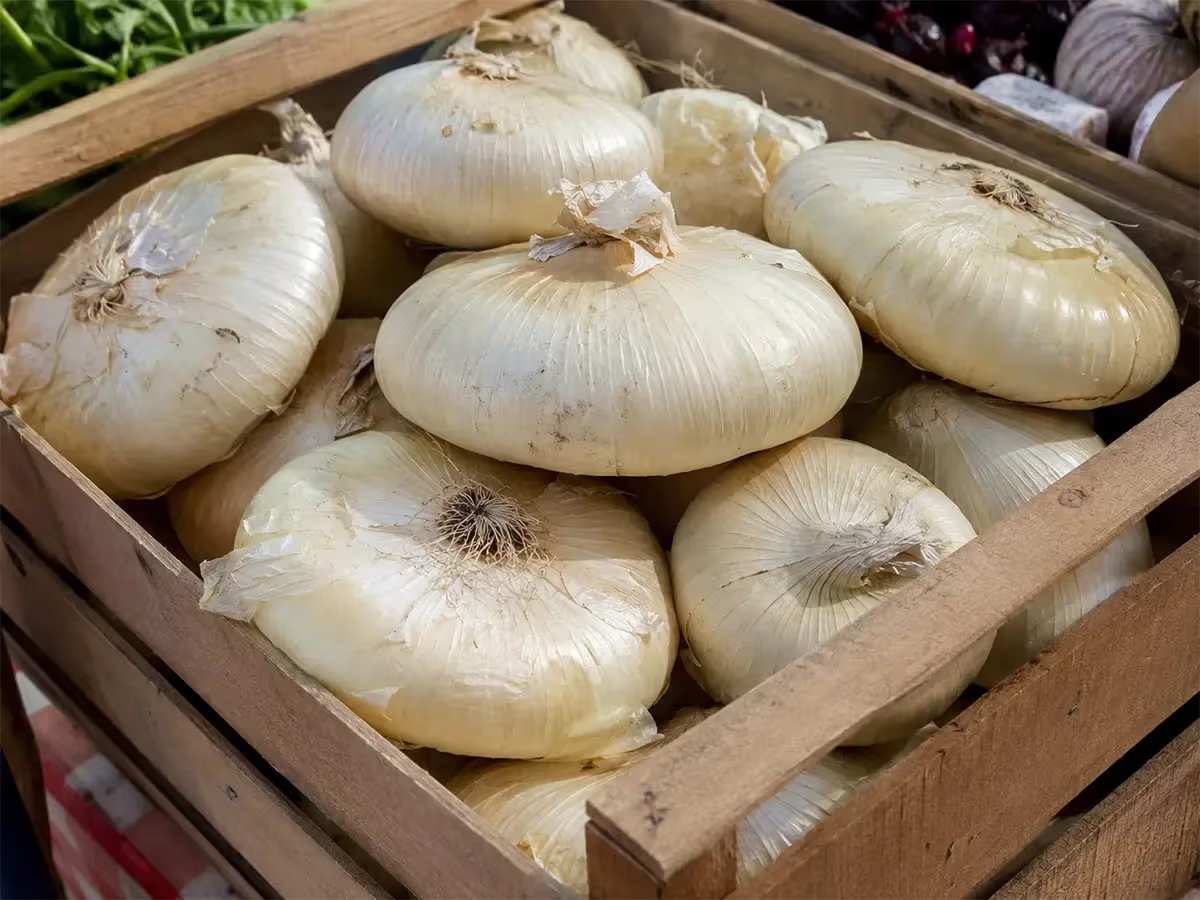
The smell is mild and not aggressive, very different from the pungency typical of common onions. Those who cut it do not experience the intense lacrimation that characterizes other varieties. On the market it is best to be wary of bulbs with perfectly spherical shapes or of uniform and modest sizes, which belong to different varieties. Direct purchase from local producers in Giarratana or in agricultural markets of the Ragusa area remains the most reliable guarantee of authenticity.
The Cipolla di Giarratana has a low caloric content, roughly similar to that of common onions, around 35-40 kcal per 100 grams. It is composed mainly of water and simple carbohydrates, with a good presence of flavonoids and sulfur compounds, known for their antioxidant properties. It contains vitamin C, vitamin B6 and folates, as well as minerals such as potassium and manganese. The enhanced sweetness compared to other varieties is due to a lower concentration of pungent sulfur compounds, a factor that makes it particularly digestible.
Once harvested and well dried, Cipolla di Giarratana keeps in a cool, dry, and ventilated place, away from direct light and humidity. Traditionally it is braided and hung in aerated spaces. Under these conditions it keeps for several weeks. Once cut, it should be wrapped and stored in the refrigerator, preferably consuming it within two or three days.
The sweetness of Cipolla di Giarratana makes it suitable for consumption both raw and cooked. Raw, sliced thinly, it goes into summer salads, often accompanied by tomatoes, olives and oregano. Cooked, it lends itself to baking whole or in halves, grilling, and soffritto as a base for sauces and soups. Its tenderness during cooking is achieved quickly. A much-appreciated traditional preparation involves baking it whole in the oven, stuffed with breadcrumbs, anchovies and caciocavallo.
With its pronounced sweetness, the Cipolla di Giarratana naturally pairs with aged cheeses from the Iblea region, such as Ragusano DOP, whose saltiness balances the onion's softness. It also pairs well with salted anchovies, black olives in brine and capers, ingredients that enhance its sweetness through contrast.
From a beverage perspective, it pairs well with structured white wines from eastern Sicily, such as Carricante from Mount Etna or a dry Grillo. When paired with cooked dishes, it also holds up well with a light and fresh red, such as Frappato di Vittoria, produced in the same Ragusa area.
The onions are hollowed out from the central part and filled with a mixture of soaked breadcrumbs, desalted salted anchovies, grated caciocavallo, black olives and oregano. Drizzled with extra virgin olive oil, they are baked in the oven at moderate temperature until the outer skin becomes golden and the flesh softens completely. It is one of the most deeply rooted dishes in the domestic cuisine of Giarratana.
A summer and everyday preparation from Iblea cuisine. The onion is sliced thinly, briefly soaked in water and salt to further attenuate its acrid note, then combined with ripe tomatoes cut into pieces, dressed with extra virgin oil, salt, dried oregano and some olives. Stale homemade bread often completes the dish.
The sliced onion is slowly stewed in a pan with extra virgin oil until it becomes transparent and golden, then incorporated into a mixture of beaten eggs with salt and pecorino. The frittata is cooked over low heat and served warm or at room temperature, as a main course or as an informal appetizer.
In Giarratana the onion is not simply a kitchen ingredient: it is an identity reference for the community. Its summer harvest marked a collective moment in the agricultural calendar, with families working in the fields and bulbs laid out in the sun on the threshing floors to dry. The braiding of onions to hang in the home was a gesture passed down from mothers to daughters, part of seasonal domestic management.
Even today, in the kitchens of the Ibleo towns, the Giarratana onion appears in festival recipes and Sunday lunches, often cooked according to grandmother's recipes. Its cultivation has also become a symbol of resistance to agricultural standardization, carried forward by those who choose to keep local varieties alive.
In Giarratana, a festival dedicated to this vegetable is held every year, normally in the month of August, attracting visitors from the Ragusa area and other Sicilian provinces. The event includes tastings, direct sales by local producers and demonstrations of traditional cooking. Among the initiatives linked to the promotion of the product, agricultural markets and meetings promoted by cultural and agricultural associations active in the Hyblaean territory are also periodically organized.
