
For the shortcrust pastry
For the pastry cream
For the finishing
The temperature of the butter is crucial for the success of the pastry: it must be cold from the refrigerator, between 4 and 6 °C, to guarantee the sandy structure and prevent gluten development. If the butter warms up during working, put the dough back in the refrigerator before rolling it out.
For the pastry cream, choosing cornstarch instead of flour ensures a smoother and more transparent consistency, with less risk of raw flour taste. Cooking must reach at least 82-84 °C at the core to guarantee complete pasteurization of the yolks: a probe thermometer is the most reliable tool. Cooling the cream in a blast chiller or in an ice bath brings the product below 10 °C in less than 20 minutes, reducing microbiological risk and preserving its texture.
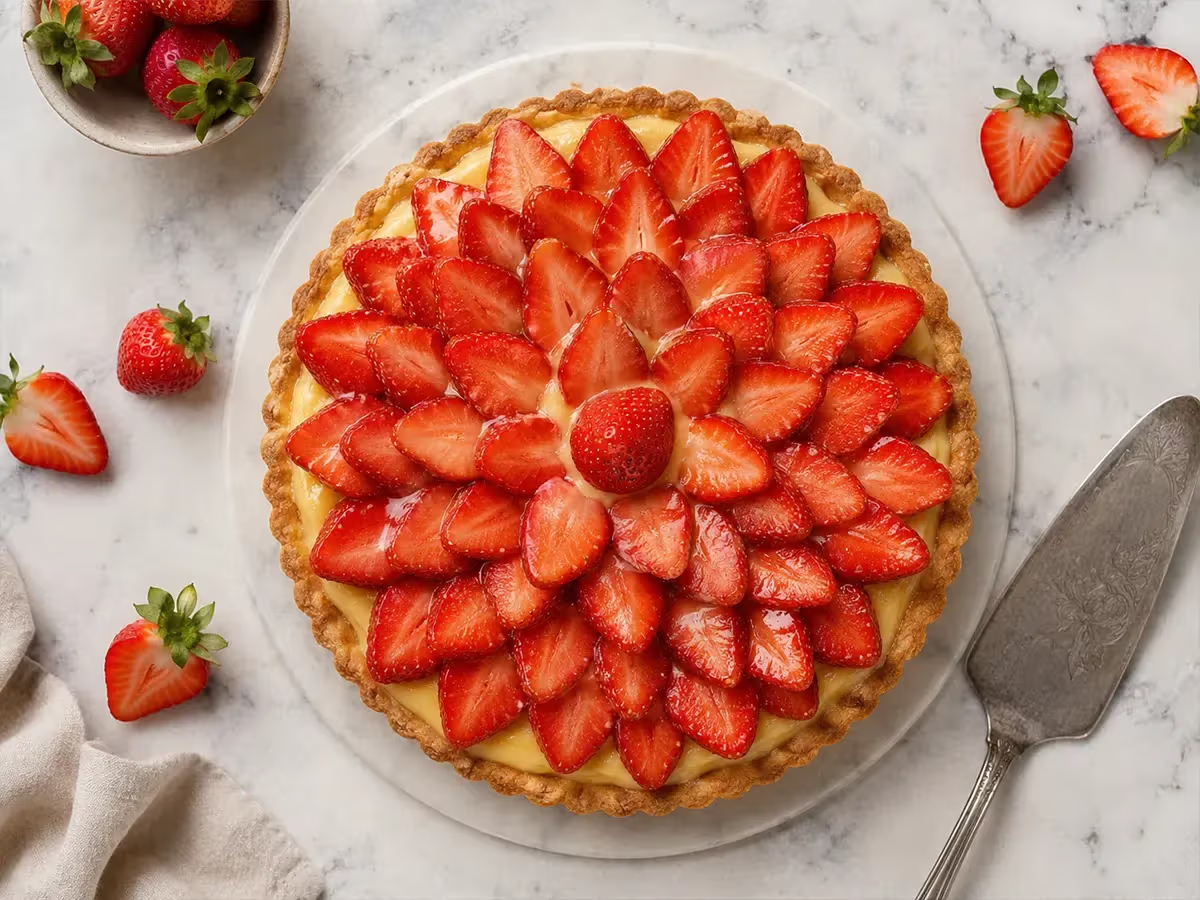
The pastry shell must be completely cold before receiving the cream: even slight residual moisture tends to soften the base, making it fragile when cutting. For professional presentation, choose strawberries of uniform size and arrange them with a pastry tweezers for a more precise result.
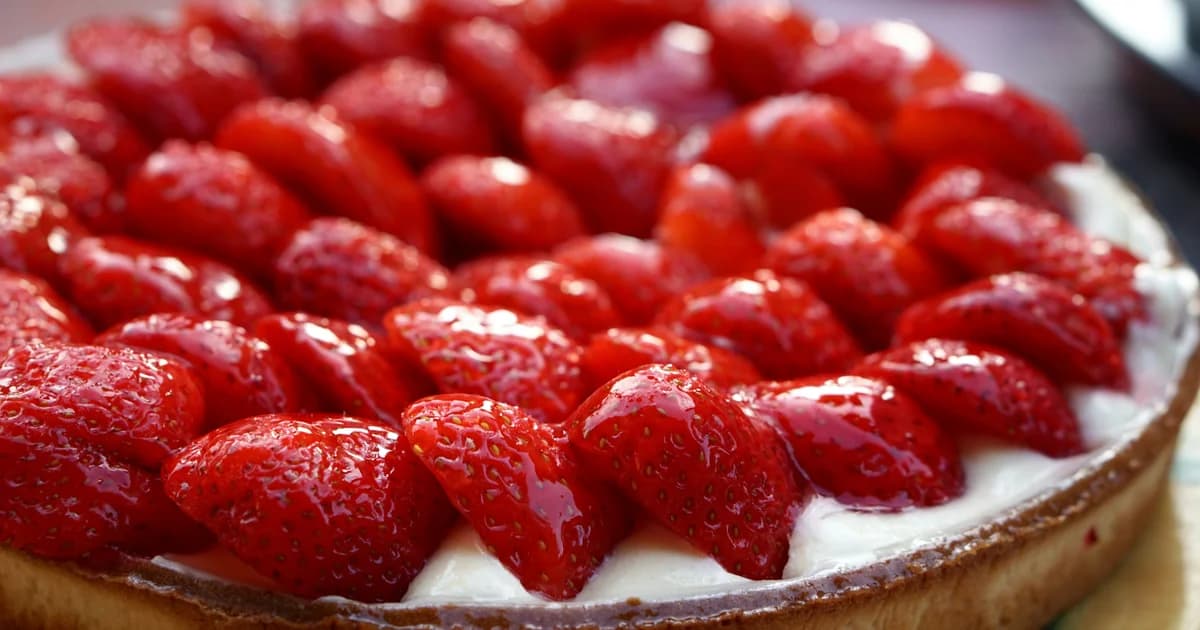
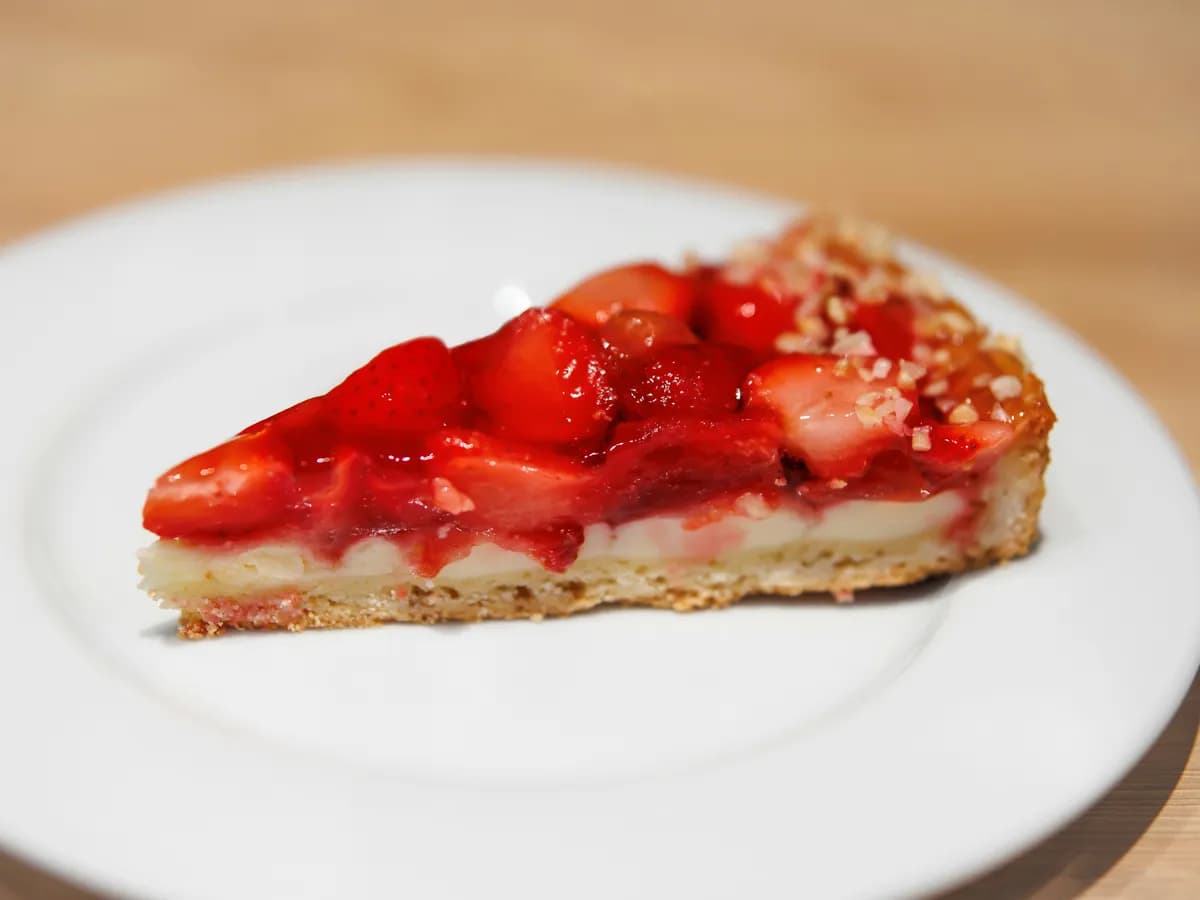
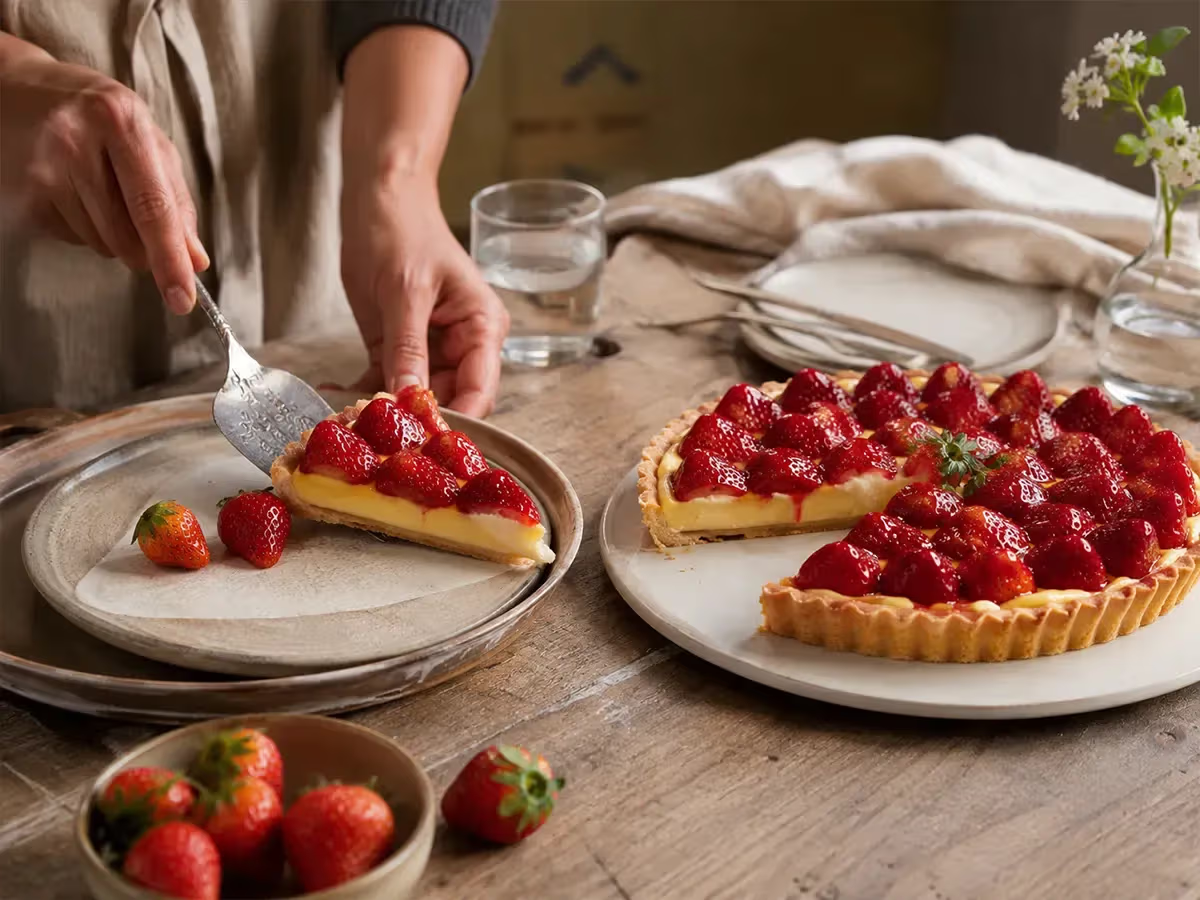
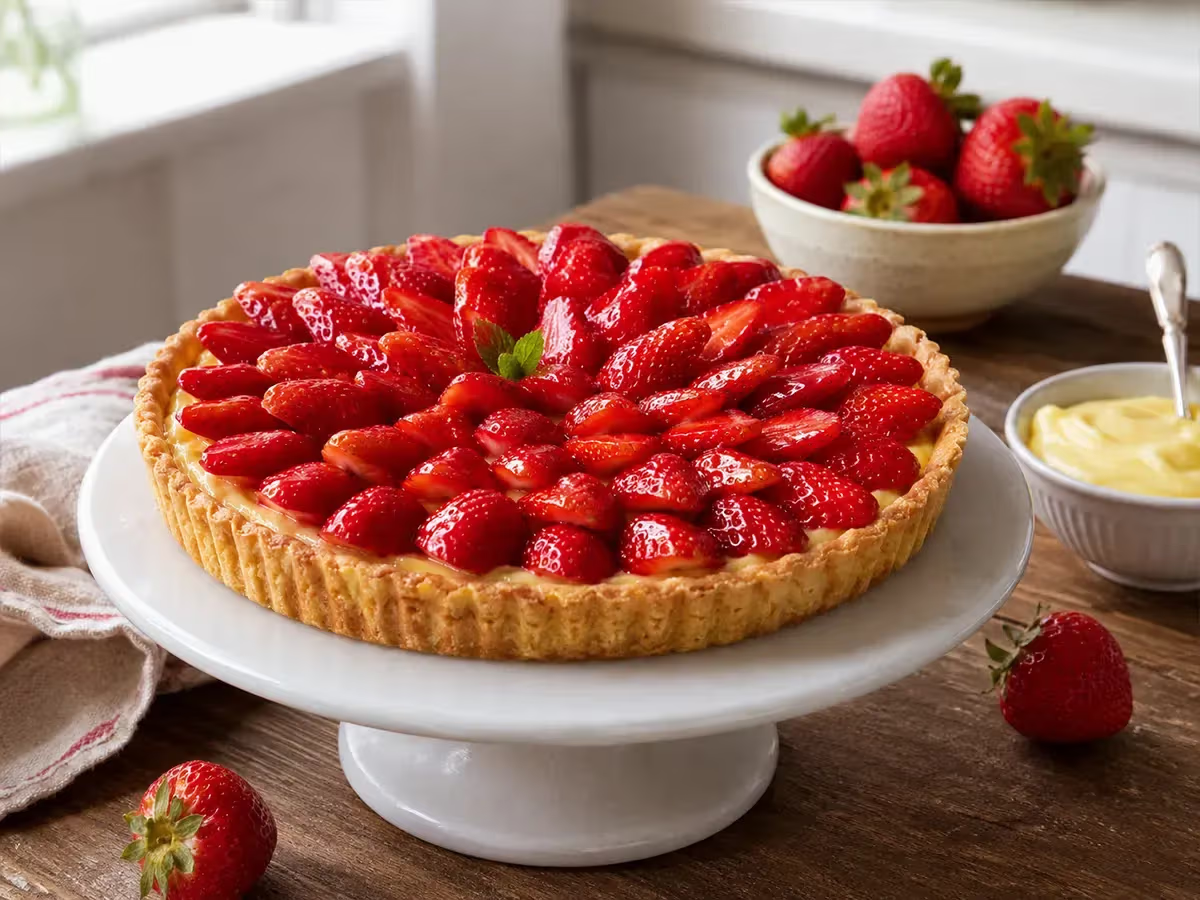
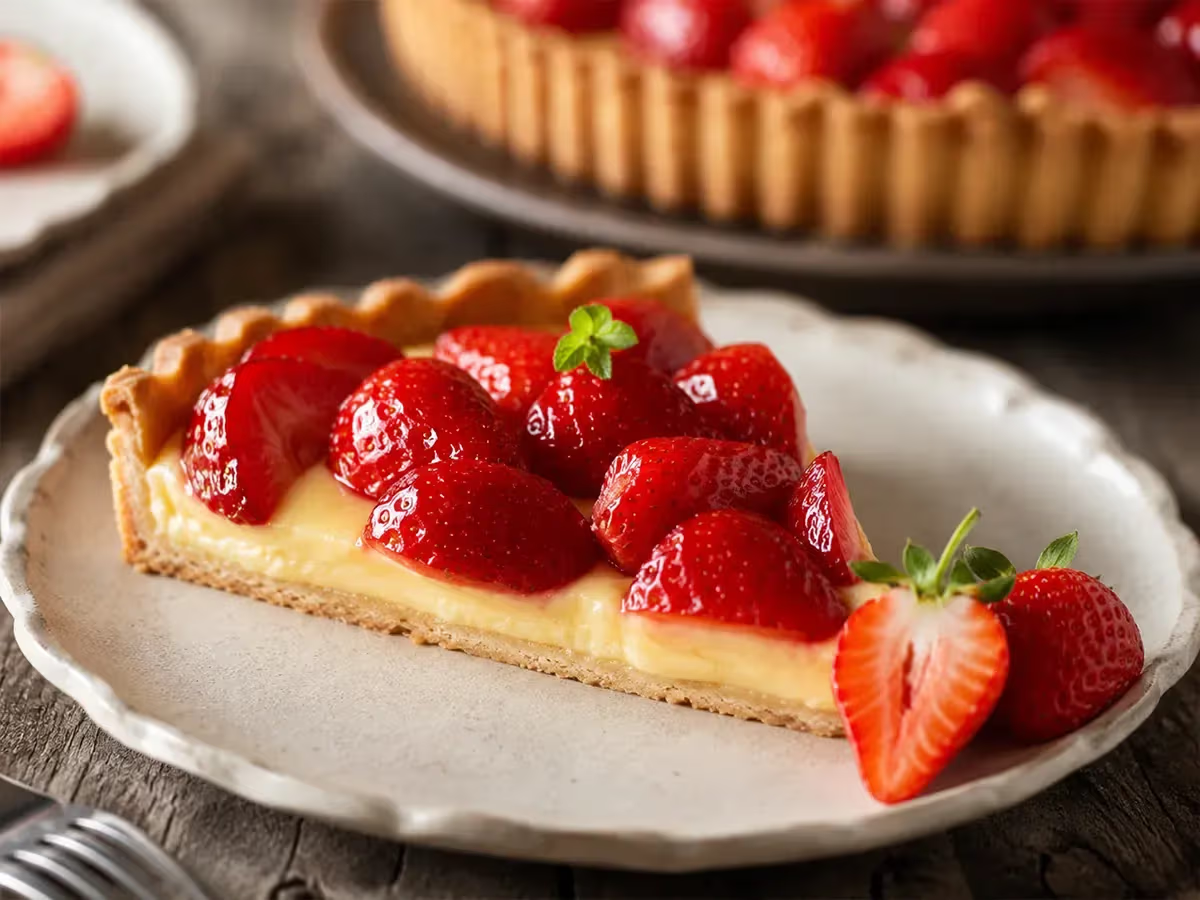
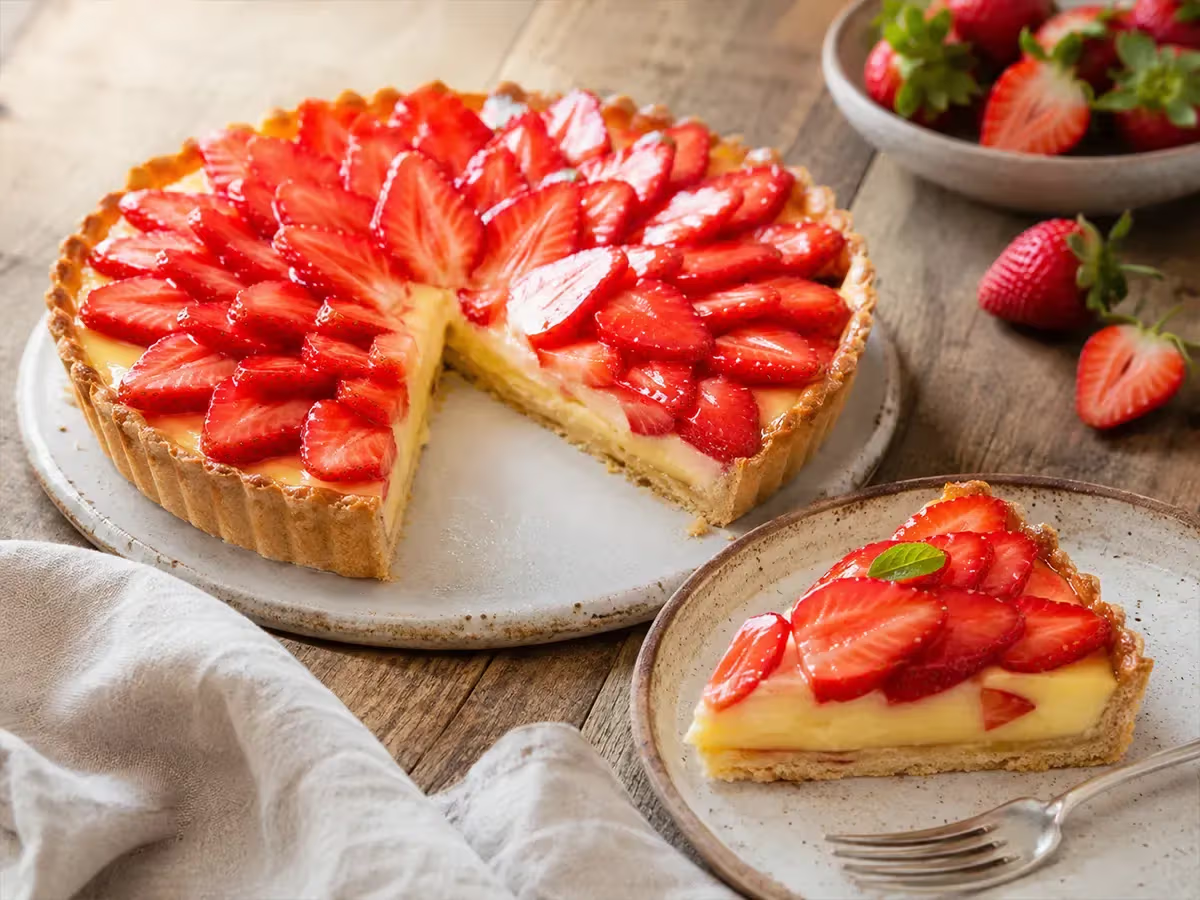
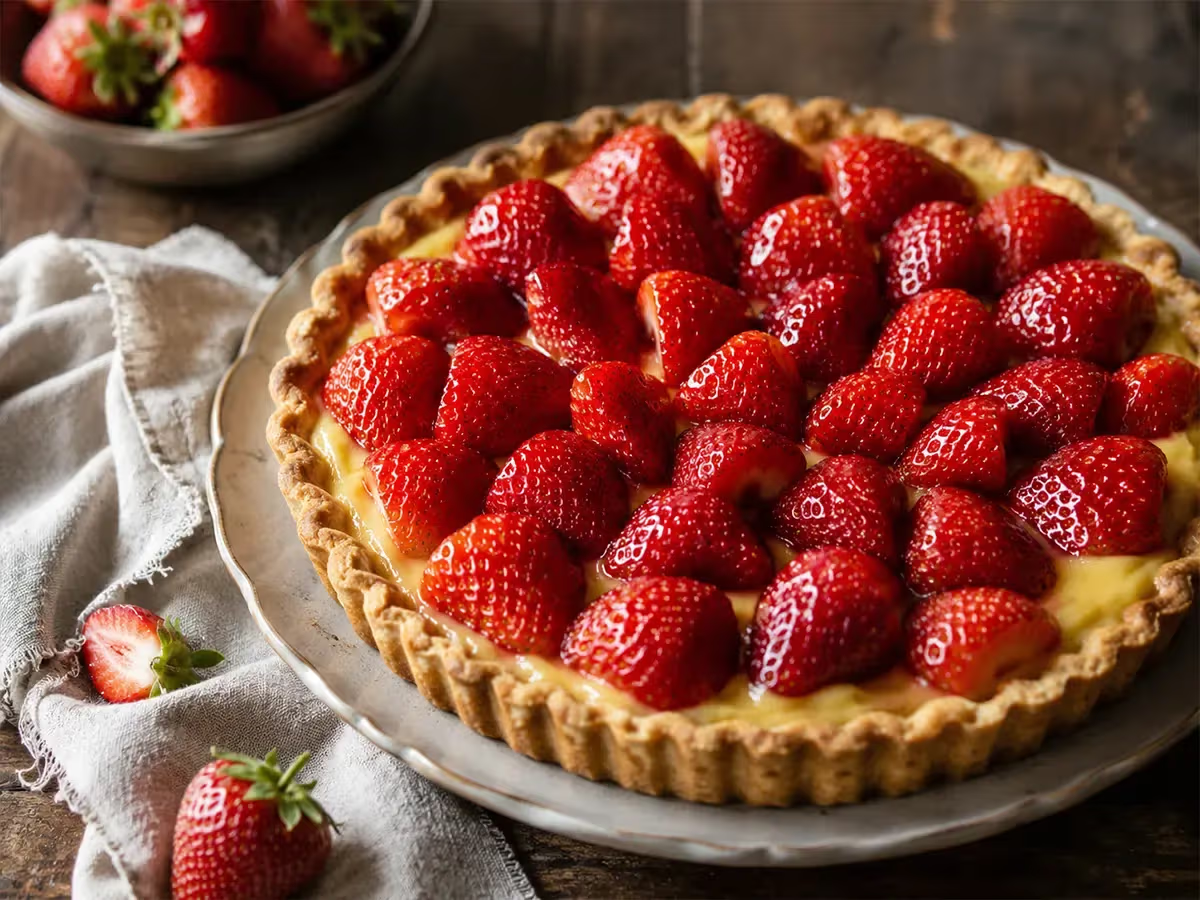
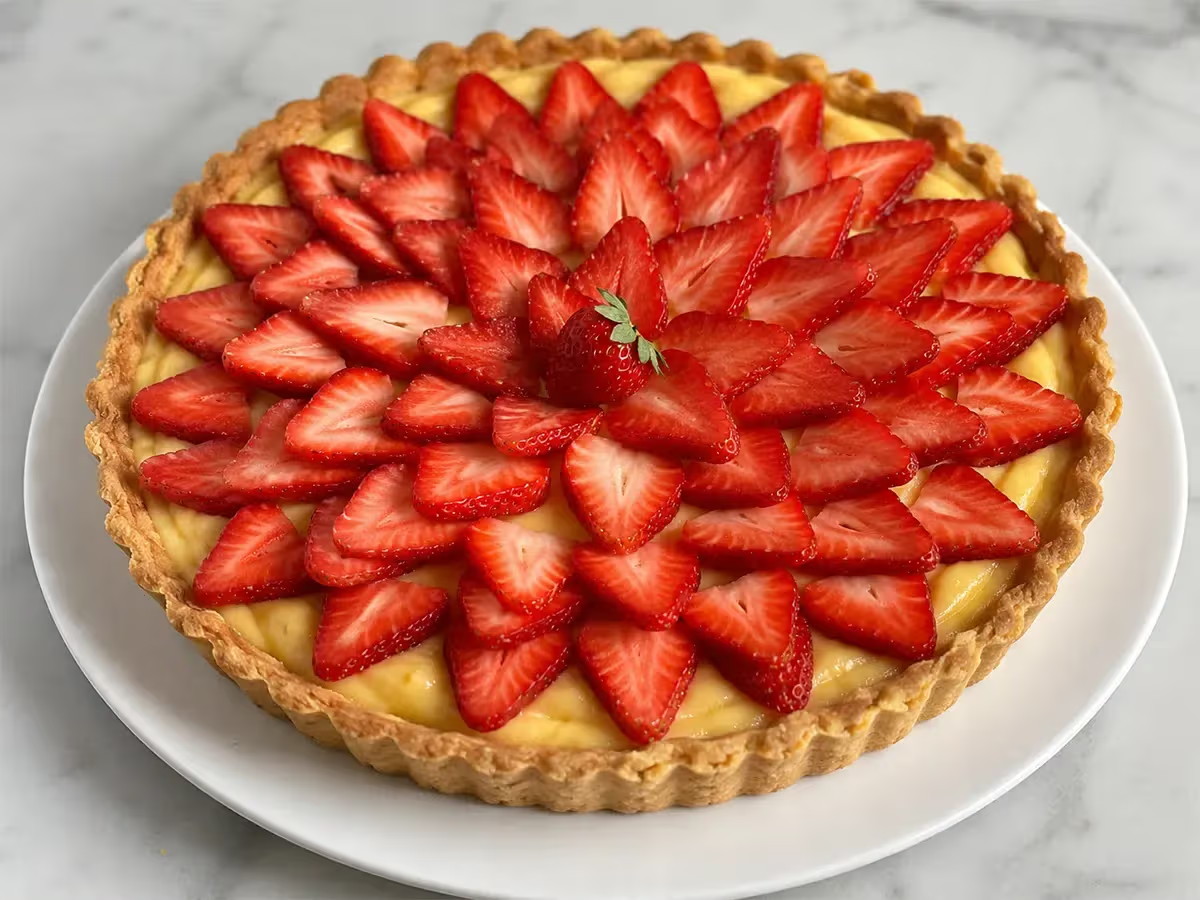
Strawberry tart with pastry cream is one of those desserts that mark the return of spring to Italian tables. The base is a crumbly and buttery pasta frolla, baked blind until it reaches uniform golden browning, then filled with a generous layer of dense pastry cream fragrant with vanilla. Fresh strawberries, arranged to cover the entire surface, complete the dessert with their vibrant acidity and bright color.
There is no region of predilection for this preparation: the fruit tart is part of Italian domestic pastry-making heritage, present from the display windows of neighborhood pastry shops to family Sunday tables. It is typically served as a dessert at the end of a meal during the seasons when strawberries reach optimal ripeness, between April and June, or as an afternoon sweet. The flavor profile balances the buttery sweetness of the pasta frolla with the velvety creaminess of the pastry cream and the slightly tart freshness of the fruit, creating a harmonious whole that lends itself well both to the glossy gelatin coating of pastry tradition and to a more rustic and homemade presentation.
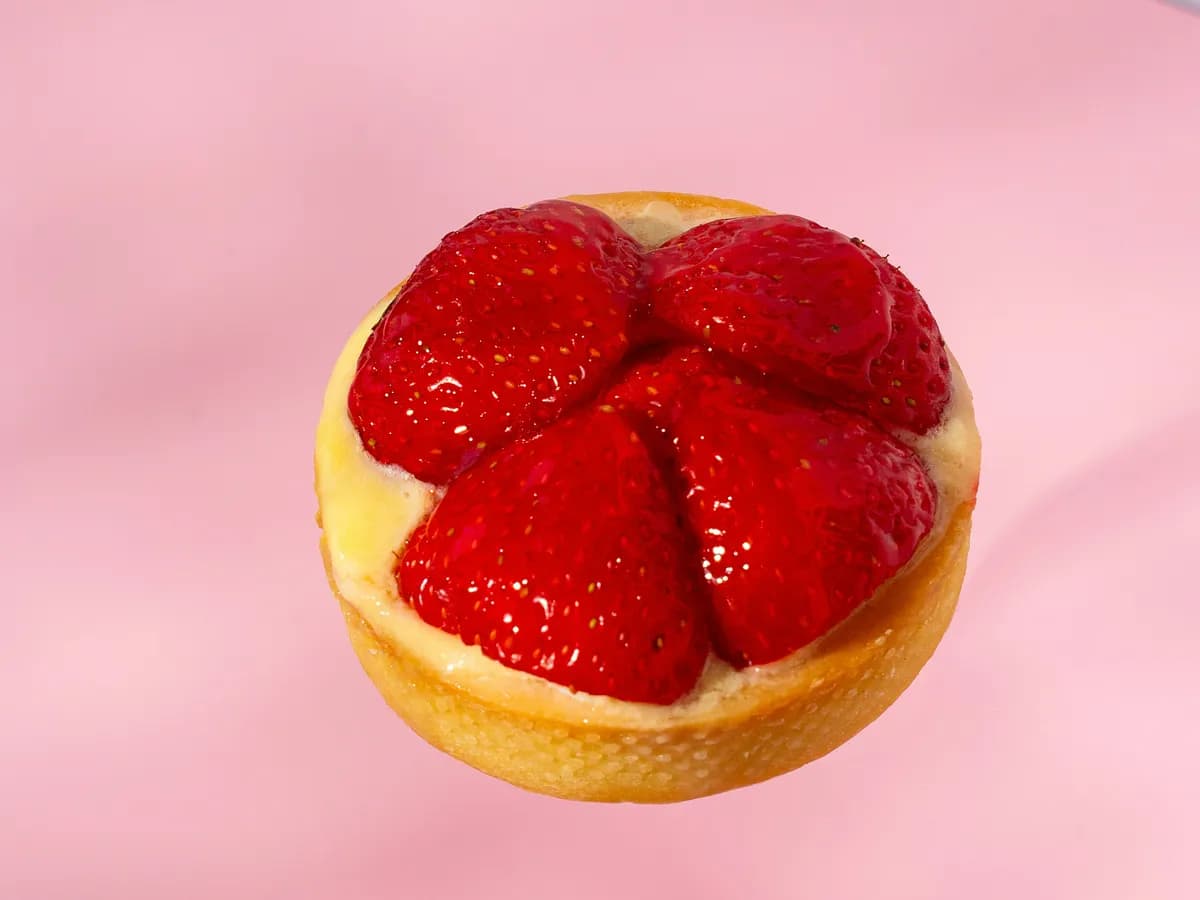
Strawberry crostata lends itself to numerous interpretations that modify its base, filling or finish.
per serving
In post-war Italian pastry shops, fruit tart occupied a precise place in the display window: it was the dessert of the seasons, the one that changed with the calendar and with what the produce markets offered week by week. Pasta frolla as a base to be baked blind and crema pasticcera as filling both belong to the French tradition that during the nineteenth century had widely influenced Italian bourgeois pastry-making, particularly in the northern regions and in major cities such as Milan, Turin and Florence.
Strawberry tart established itself as a spring dessert recognizable in the Italian repertoire between the late nineteenth century and the first decades of the twentieth century, when the production of cultivated strawberries progressively spread throughout the countryside of the Po Valley, Lazio and Campania. Its success is tied precisely to this rigorous seasonality: the strawberry harvested between April and June, consumed fresh and soon after picking, delivers an aromatic profile that no out-of-season substitute can replicate. This fidelity to the calendar has remained its distinctive trait even when large-scale distribution made fruit available all year round.


